
Lawn
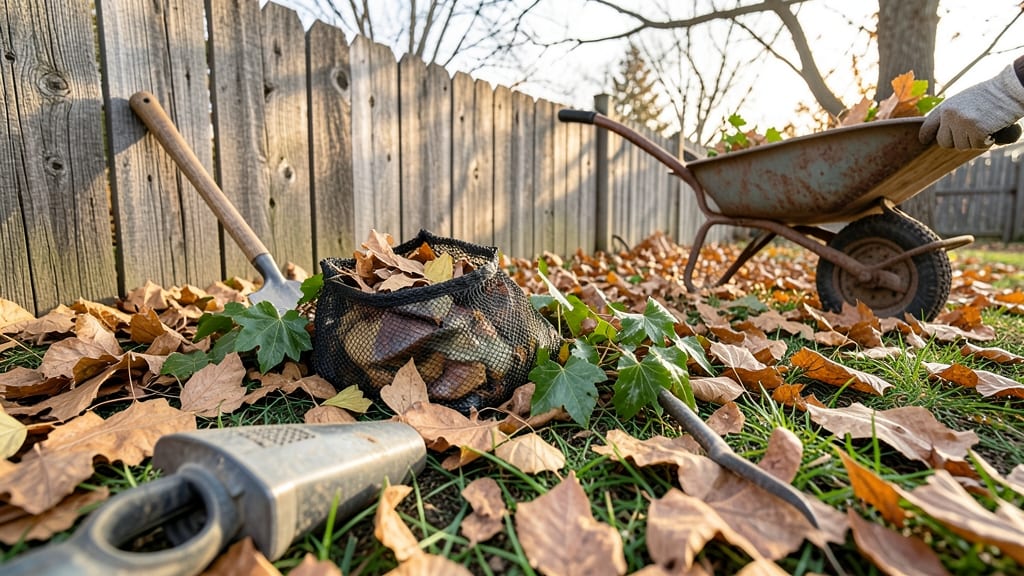
Mulching leaves into your lawn can be a game-changer for soil health—but doing it wrong risks smothering grass or inviting pests. These expert-backed methods show how to turn fallen leaves into nutrient-rich benefits without harming your lawn.
Shredding Leaves Before Mulching for Even Distribution
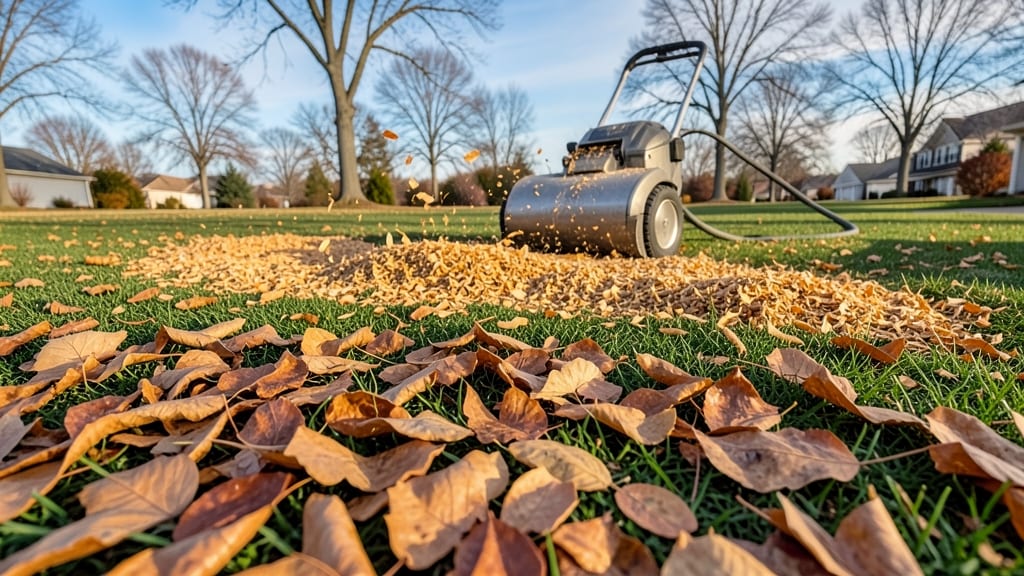
Autumn’s golden leaves can turn into a lawn care challenge if left whole, creating suffocating mats that block sunlight and strangle grass roots. The solution? Shredding leaves before mulching—this simple step transforms a potential problem into a nutrient-rich boost for your lawn.
Use a leaf vacuum, lawn mower with mulching blades, or even a string trimmer to reduce leaves to confetti-sized pieces. Aim for a ¼-inch thickness when spreading—this ensures even distribution while allowing sunlight to reach the grass below. Shredded leaves decompose faster, feeding soil microbes year-round without smothering your lawn.
This method is a game-changer for homeowners with heavy leaf fall, like those with oak or maple trees. It’s also beginner-friendly, requiring minimal tools and effort for big results. 🌱
Layering Leaves Thinly Over Existing Grass Clippings
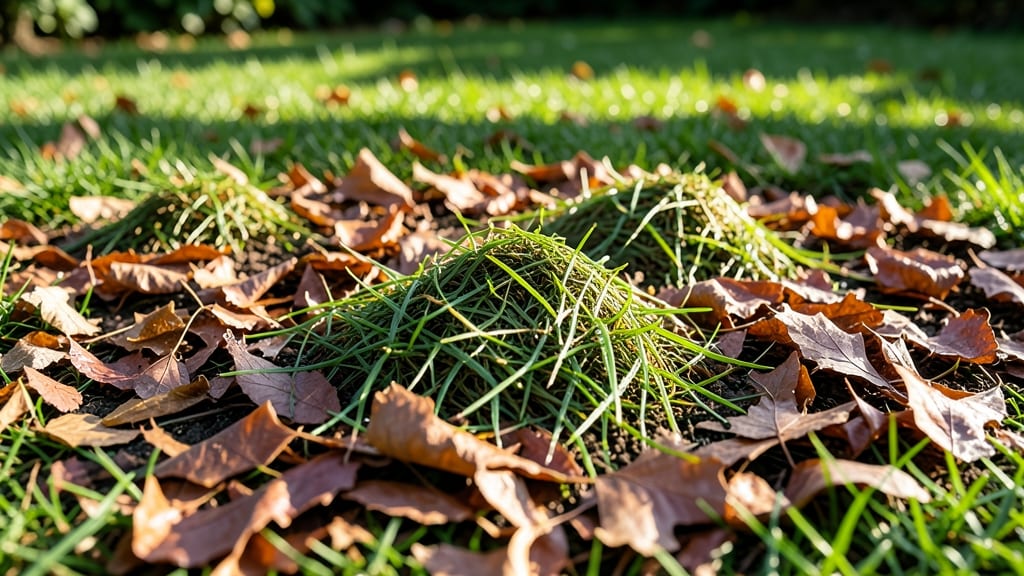
Turn your lawn into a self-fertilizing ecosystem by combining grass clippings and shredded leaves—a dynamic duo that speeds up decomposition while feeding soil microbes. This method leverages the nitrogen-rich clippings (from mowing) with the carbon-based leaves, creating a balanced mulch that breaks down in weeks instead of months.
After mowing, spread a thin layer (¼ inch or less) of shredded leaves over the clippings before they dry out. The clippings provide quick energy for microbes, while the leaves add structure and moisture retention. For best results, use a mulching mower first to chop clippings finely, then top with leaves. This approach works year-round but is especially valuable in fall when leaves are abundant.
Perfect for busy gardeners or those with nutrient-poor soil, this technique reduces waste while improving lawn resilience. Your grass will thrive with fewer inputs. ✨
Using a Lawn Mower to Mulch Leaves Directly
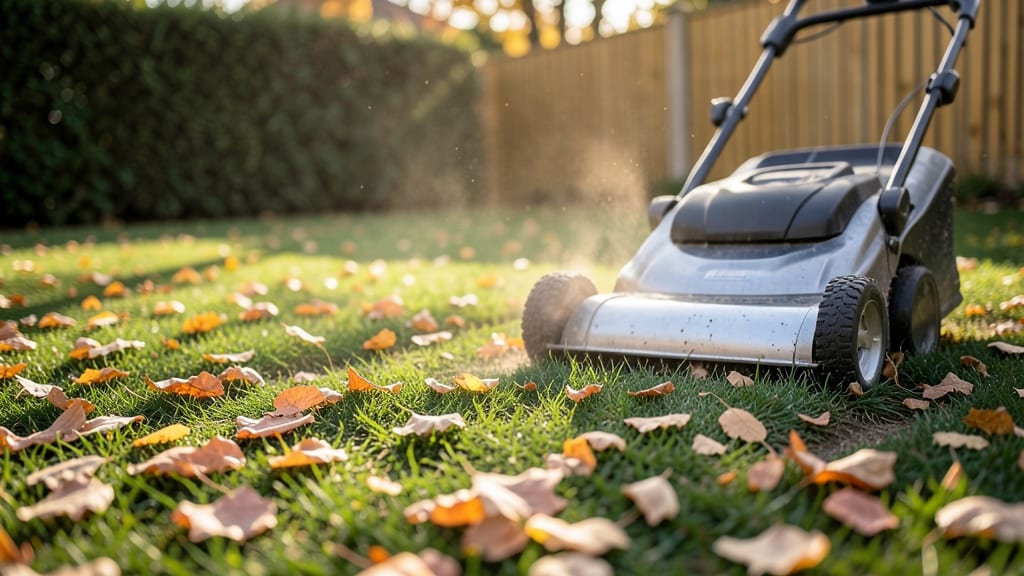
If your lawn is covered in a light dusting of autumn leaves, skip the rake and let your lawn mower do the work. A mower with a mulching blade can turn leaves into fine particles that decompose in weeks—ideal for small to moderate leaf volumes without clumping or smothering grass.
Start by mowing over dry leaves when they’re one-quarter inch thick or less, and repeat every few days until all leaves are processed. This method works best with shredding mulching blades (not bagging blades) and is perfect for homeowners with minimal leaf fall or tight schedules. The result? Nutrient-rich soil without the effort of raking or composting.
This low-effort approach is ideal for weekend gardeners who want to maintain their lawn while saving time. Just avoid mowing wet leaves—they’ll clump and clog the mower. ✨
Avoiding Thick Leaf Mats on Newly Seeded Areas
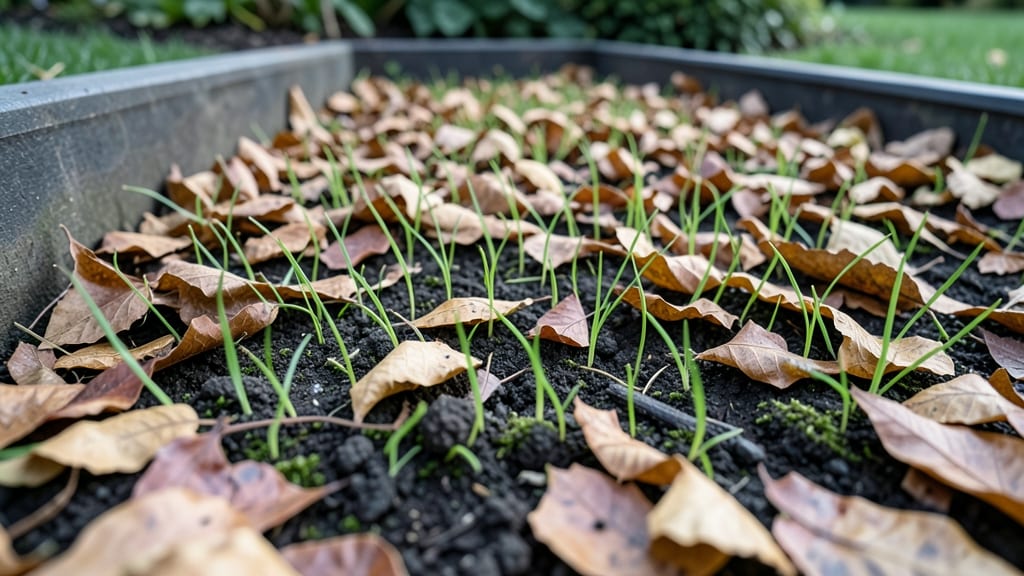
Newly seeded lawns are like delicate babies—too much leaf coverage can suffocate them before they even get a chance to grow. When planting grass seed in spring or fall, thick leaf mats block sunlight and trap moisture, creating the perfect conditions for fungal growth and seed rot.
Instead of piling leaves on top, use a rake to create thin pathways between seeds, or remove leaves entirely from seeding areas. If you must mulch, apply only a light dusting (1/8-inch thick or less) after seeds have sprouted and developed their first true leaves. This protects young roots while allowing essential sunlight and air circulation.
This approach is especially critical for new lawns or overseeding projects where every seed counts. By keeping leaf layers minimal, you’ll ensure strong germination and a lush, even stand. 🌱
Adding Compost or Fertilizer Before Leaf Mulching
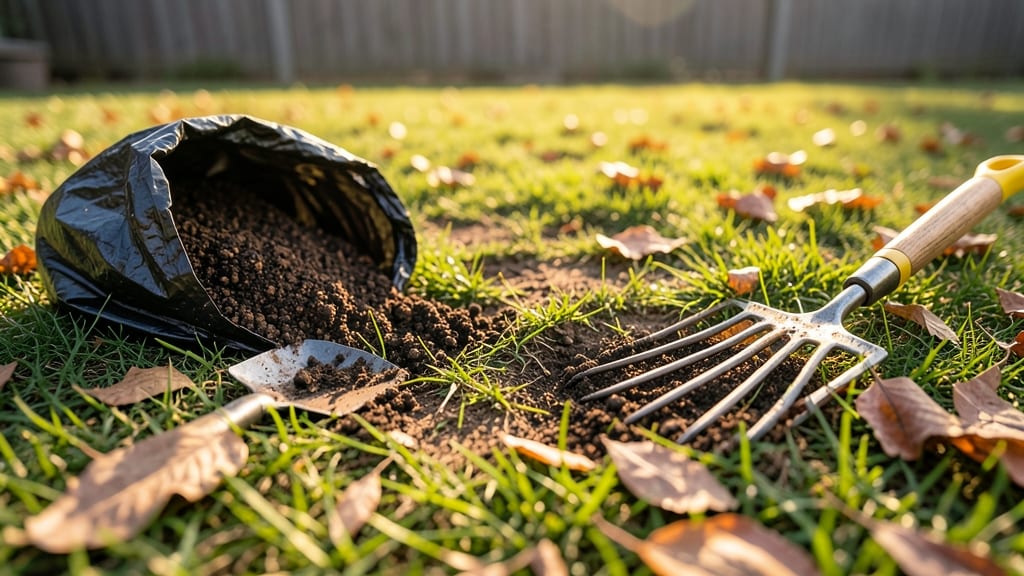
Struggling with slow-decomposing leaves that leave your lawn looking patchy? The secret to faster breakdown lies in a simple step: adding compost or fertilizer before mulching. This balances the carbon-to-nitrogen ratio—a common issue when leaves dominate—so your lawn gets the nutrients it needs while avoiding thatch buildup.
Spread a ¼-inch layer of compost or slow-release fertilizer (like 10-10-10) over your lawn before applying shredded leaves. The compost introduces nitrogen, which speeds up decomposition of the carbon-rich leaves. For clay-heavy soils, this step also improves drainage and aeration, creating a healthier root zone. Focus on areas with bare patches or compacted soil for the best results.
This method is ideal for urban gardeners with poor soil or those transitioning from synthetic fertilizers to organic practices. Just avoid overdoing it—too much nitrogen can burn grass, so stick to light applications. Your lawn will thank you with lush, even growth. 🌿
Monitoring for Leaf Mold or Fungal Growth
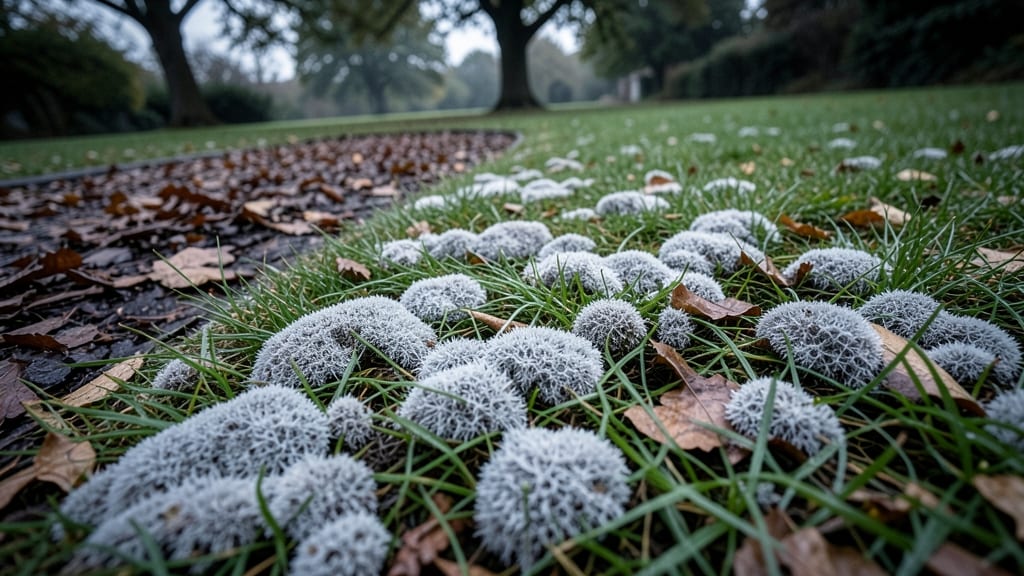
That gray, fuzzy mold creeping across your lawn isn’t just unsightly—it’s a sign your leaf mulch is trapping too much moisture. In humid climates or shaded areas, leaf mold thrives when leaves smother grass and block airflow, creating the perfect breeding ground for fungal growth.
To prevent it, monitor mulched leaves weekly for dampness or clumping. If leaves stay wet for more than 48 hours after rain, rake and redistribute them to improve airflow. For extra protection, apply a thin layer (¼ inch or less) and avoid mulching in low-lying areas where water pools. A quick check with your fingers—if the leaves feel soggy, they’re at risk.
This proactive step is a lifesaver for shady lawns or regions with high humidity, where fungal issues are most common. A little vigilance keeps your grass healthy and mold-free all season. 🌿
Mulching Leaves in Spring for Early Soil Warmth
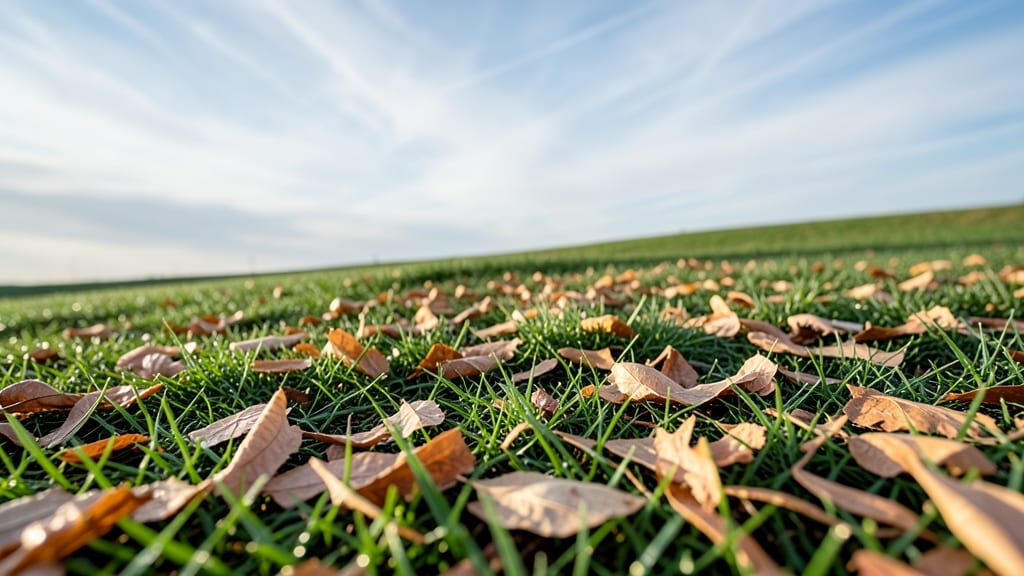
Spring’s unpredictable frosts can stall your lawn’s growth, but a simple layer of mulched leaves acts like a cozy blanket for your grass. By spreading shredded leaves (¼-inch thick or less) over cool-season grasses like fescue or ryegrass, you create a natural insulator that traps soil warmth while protecting tender roots from late freezes.
Timing is key—apply mulched leaves in early spring (before the first mowing) or after a hard frost to shield emerging grass. Avoid thick layers, which can trap too much moisture; instead, aim for a light dusting that lets sunlight reach the blades. This method is especially valuable in northern climates where frost dates extend into May, giving your lawn a head start on growth.
Perfect for gardeners in Zone 3-6 or those with slow-warming soils, this technique requires zero extra effort beyond raking. Your grass will recover faster from winter stress and establish stronger roots—no fancy tools or fertilizers needed. 🌱
Using a Rake to Fluff Mulched Leaves Periodically
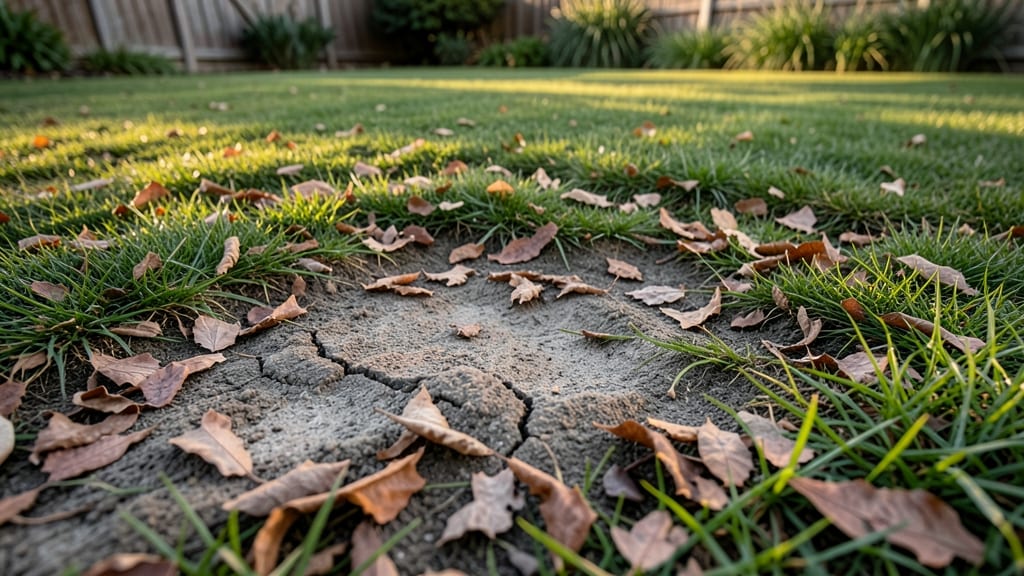
High-traffic lawns or areas with compacted soil need more than just mulched leaves—they need breathing room. Over time, even shredded leaves can form a dense layer that smothers grass roots and slows decomposition, leaving your lawn looking flat and lifeless.
To keep mulched leaves working for your lawn, rake them lightly every 4-6 weeks to break up compaction and improve airflow. Focus on areas where foot traffic or pets compress the soil, like pathways or play areas. This simple step speeds up decomposition by up to 30%, ensuring leaves break down into nutrient-rich humus instead of forming a waterproof mat.
This maintenance hack is a must for urban lawns, dog parks, or family yards where soil gets trampled regularly. Just a few minutes with a rake keeps your mulched leaves doing their job—feeding soil and protecting grass—without the hassle of removing them entirely. 💪
Testing Soil pH Before and After Leaf Mulching
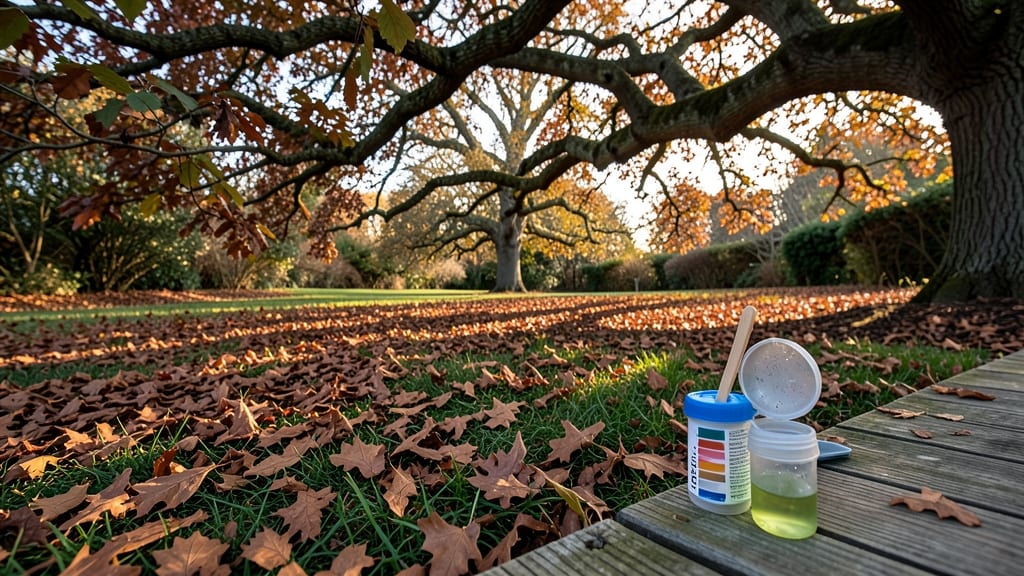
Not all leaves play nice with your lawn—especially if you’ve got oak trees dropping acidic foliage that can slowly lower your soil’s pH. Before you blanket your grass in mulched leaves, grab a soil pH test kit (available for under $10) to check your current levels. Oak leaves, in particular, are notorious for acidifying soil over time, which can weaken grass roots and invite moss growth.
Test your soil’s pH before mulching, then again 3-4 months later to track changes. If your pH drops below 6.0 (ideal range for most grasses is 6.0–7.0), amend with pelletized lime in early spring or fall. For lawns already too acidic, a sulfur-based fertilizer (for pH adjustments) can help if your soil tests above 7.0. This simple step ensures your leaf mulch becomes a benefit, not a long-term problem.
This proactive approach is a must for homeowners with acid-loving trees or those who’ve noticed patchy grass growth despite regular fertilizing. A little testing now saves hours of frustration later. 💡
Alternative: Bagging Leaves for Compost Piles

When your lawn becomes a leaf battlefield—especially with invasive species like poison ivy or overwhelming autumn drop—bagging leaves for compost isn’t just an alternative, it’s a game-changer. This method transforms potential lawn hazards into nutrient-rich compost for your garden beds, while keeping your grass healthy and pest-free.
Simply rake or vacuum leaves into bags (biodegradable preferred), then add them to your compost pile in equal parts with nitrogen-rich materials like grass clippings or coffee grounds. For invasive species, double-bag leaves to contain seeds and pathogens. Within 3-6 months, you’ll have dark, crumbly compost perfect for vegetable gardens or flower beds—no risk of suffocating your lawn.
This approach is ideal for homeowners with large trees, invasive species, or limited garden space. It’s also safer than mulching unknown leaves, which could harbor weeds or diseases. Turn leaf litter into lawn care gold without the guesswork! 💚