
Plants
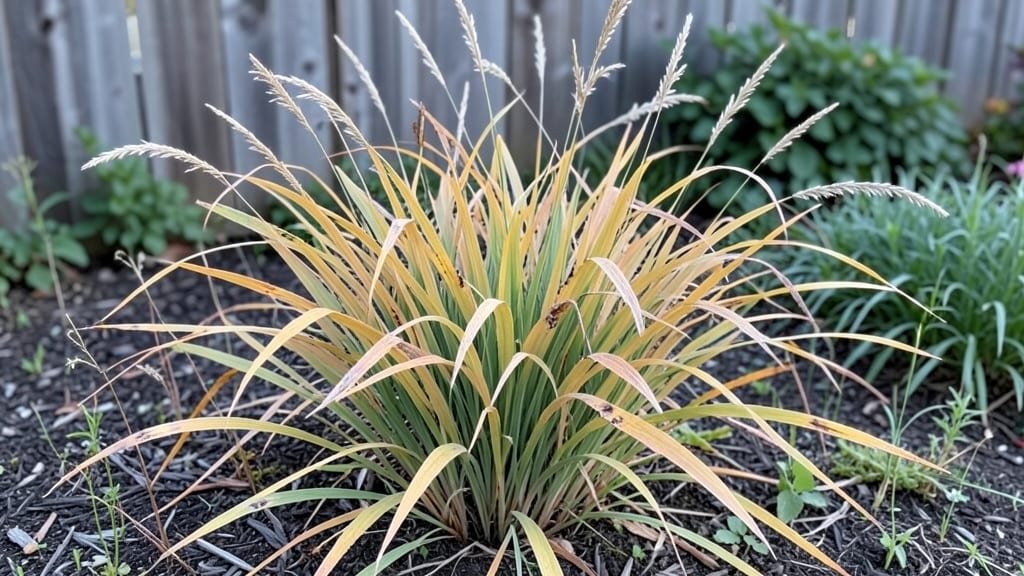
Growing Japanese Golden Grass 🌿 turns your garden into a golden masterpiece with almost no effort—this ornamental grass thrives in both sun and shade, delivering year-round color without the seasonal hassle.
Picture this: a low-maintenance plant that flaunts golden plumes from spring through winter, while most annuals fade away. That’s the magic of Hakonechloa macra—a drought-tolerant beauty that fits seamlessly into any landscape, whether you’re in USDA Zone 6a or beyond.
Planting it in March through May ensures it establishes strong roots before summer heat, and its cascading foliage adds texture that no other grass can match. Below, I’ll walk you through the easiest way to keep it lush, from soil prep to pruning tricks that prevent flopping.
Ready to swap tired old plants for this game-changer? Let’s dive into the secrets of growing Japanese Golden Grass that’ll make your neighbors ask, “What’s that gorgeous grass?”
How to grow Japanese Golden Grass in sun vs. shade gardens
Japanese Golden Grass (Hakonechloa macra) is one of those magical plants that delivers year-round color with minimal effort. Whether you're working with a sun-drenched border or a shady woodland garden, this ornamental grass adapts beautifully.
The key lies in understanding its light preferences and how they influence soil, spacing, and overall care. Let's dive into the specifics so you can create the perfect home for this golden beauty.
One of the biggest misconceptions about Japanese Golden Grass is that it only thrives in partial shade. While it does excel there, many gardeners are surprised to learn it also performs well in full sun conditions—as long as you adjust a few care factors.
The plant's arching golden foliage becomes even more vibrant in sun, though shade lovers will appreciate its delicate texture and cooler tones. Your garden's microclimate will determine which approach works best for you.
Before planting, test your garden's light conditions by observing how sunlight moves across your space during different times of day. Morning sun is generally safer than harsh afternoon rays, which can scorch tender new growth.
In shady spots, look for areas with dappled sunlight or filtered light from overhead trees. Once you've identified your space, let's compare how to optimize growth in each scenario.
| Growing Condition | Light Requirements | Soil Preferences | Spacing Needs | Watering Adjustments |
|---|---|---|---|---|
| Full Sun (6+ hours direct) | Morning sun preferred; afternoon shade in hot climates | Well-draining, slightly acidic (pH 5.5-6.5) | 18-24 inches apart | Deep watering 2-3x/week; mulch to retain moisture |
| Partial Shade (3-6 hours sun) | Dappled light or filtered sunlight | Moist, humus-rich soil with good drainage | 12-18 inches apart | Weekly watering; keep soil consistently moist |
| Full Shade (<3 hours sun) | Indirect light only; no direct sunlight | Rich, organic soil with high moisture retention | 10-12 inches apart | Bi-weekly watering; protect from drying winds |
When preparing your planting site, focus on soil quality first. Japanese Golden Grass prefers moist but well-draining soil, whether you're working in sun or shade. In full sun areas, amend heavy clay with compost and sand to prevent waterlogging, which can cause root rot.
For shady spots, mix in peanut hull compost to improve moisture retention without compacting the soil.
For spacing guidelines, remember that this grass has an elegant, cascading habit. In full sun, give plants more room (18-24 inches apart) to prevent competition for water and nutrients. In shade, you can plant them closer (10-12 inches apart) since they grow more slowly.
Pro tip: Use a string line and stakes to mark your planting pattern before digging—this ensures even spacing and a professional look.
Watering needs vary dramatically between sun and shade conditions. In full sun gardens, Japanese Golden Grass will need more frequent watering (2-3 times per week) to prevent leaf scorch. Always water deeply at the base rather than overhead to encourage strong root development.
In shade, reduce watering to once weekly and monitor soil moisture with your finger—top 2 inches should be slightly dry between waterings.
One of the most rewarding aspects of growing Japanese Golden Grass is watching its seasonal color shifts. In full sun, the foliage develops brighter golden hues in summer, while shade-grown plants maintain softer green-gold tones year-round.
To enhance these colors, apply a light layer of mulch (2-3 inches) using pine bark fines or cedar chips. This keeps roots cool in sun and retains moisture in shade, while also suppressing weeds.
If you're planting in containers or pots, choose vessels with drainage holes and use a well-draining potting mix combined with perlite. For sun-exposed containers, opt for terracotta pots which help wick away excess
5 Pro tips for keeping Japanese Golden Grass lush year-round
Japanese Golden Grass (Hakonechloa macra) thrives when you follow a few key maintenance strategies that keep its golden foliage vibrant through every season. Unlike many ornamental grasses, this variety stays lush with minimal effort—but only if you understand its growth patterns and environmental needs.
The secret lies in balancing pruning, fertilization, and seasonal adjustments to prevent stress or dormancy. I’ve cultivated this grass in both sunny borders and shady woodland gardens, and these five tips have become my go-to for year-round success.
One common mistake gardeners make is treating Japanese Golden Grass like a high-maintenance annual. In reality, it’s a perennial powerhouse that rewards patience with golden cascades that last from spring to winter.
The key is adapting your care routine to match the plant’s natural cycle—aggressive pruning in early spring, light feeding during summer, and protective measures before winter. Let’s dive into the specifics that will keep your grass looking like a luxurious spa retreat instead of a neglected corner.
- Prune early spring (March) to remove dead foliage and encourage new growth—never cut more than 1/3 of the plant.
- Apply balanced fertilizer (10-10-10) every 6 weeks in spring and summer—avoid over-fertilizing in fall or winter.
- Mulch with 2-3 inches of organic mulch in late fall to insulate roots and prevent winter dieback.
- Monitor for spider mites and scale insects—treat with neem oil if you spot yellowing leaves or sticky residue.
- Divide clumps every 3-4 years in early spring to prevent overcrowding and maintain vibrant color.
Let’s start with the most critical step: pruning. Many gardeners wait until late spring or summer to trim their grasses, but Japanese Golden Grass benefits most from an early spring haircut. Aim for March timing, just as new shoots begin to emerge.
Use sharp bypass pruners or a clean pair of shears to cut back the previous year’s growth by about one-third. This not only tidies up the plant but also stimulates fresh, golden-green growth for the season ahead.
Pro tip: Never prune below the crown—this can damage the plant’s growth center.
Fertilization is another area where gardeners often overcomplicate things. Japanese Golden Grass doesn’t need heavy feeding, but it does appreciate a balanced approach. I recommend using a 10-10-10 fertilizer applied every 6 weeks during the active growing months (April through September).
In late fall, switch to a light feeding or skip it entirely—this helps the plant prepare for dormancy. Always water the soil thoroughly before and after applying fertilizer to prevent root burn. For container-grown grasses, reduce the amount by half to avoid nutrient buildup.
Winter care is where many gardeners drop the ball, but with Japanese Golden Grass, a little preventative effort goes a long way. Before the first hard frost (usually in October or November depending on your zone), apply a 2-3 inch layer of mulch around the base of the plant.
This acts as an insulating blanket, protecting the roots from freezing temperatures and thaw cycles. I’ve found that straw or shredded leaves work best because they allow moisture to drain while still trapping heat.
In USDA Zone 5 or colder, consider adding a lightweight frost cloth for extra protection during extended cold snaps.
Pests are rarely an issue with Japanese Golden Grass, but spider mites and scale insects can occasionally take hold, especially in dry, hot summers. The first sign of trouble is usually yellowing leaves or a sticky residue (honeydew) on the foliage.
If you spot these, act fast with a neem oil spray—it’s organic, effective, and safe for your plants. For severe infestations, repeat the treatment every 5-7 days until the pests are gone.
Prevention is key here: regular watering (especially during drought) and keeping the area weed-free will deter most pests before they become a problem.
Finally, don’t forget about division. Over time, Japanese Golden Grass clumps can become overcrowded, which leads to weaker growth and less vibrant color. Every 3-4 years, in early spring, dig up the clump and separate it into smaller sections using a sharp spade.
Replant the divisions immediately, and you’ll have multiple lush plants ready to brighten up different areas of your garden. This also rejuvenates the parent plant, giving it a second wind for another few years of golden glory.