
Plants
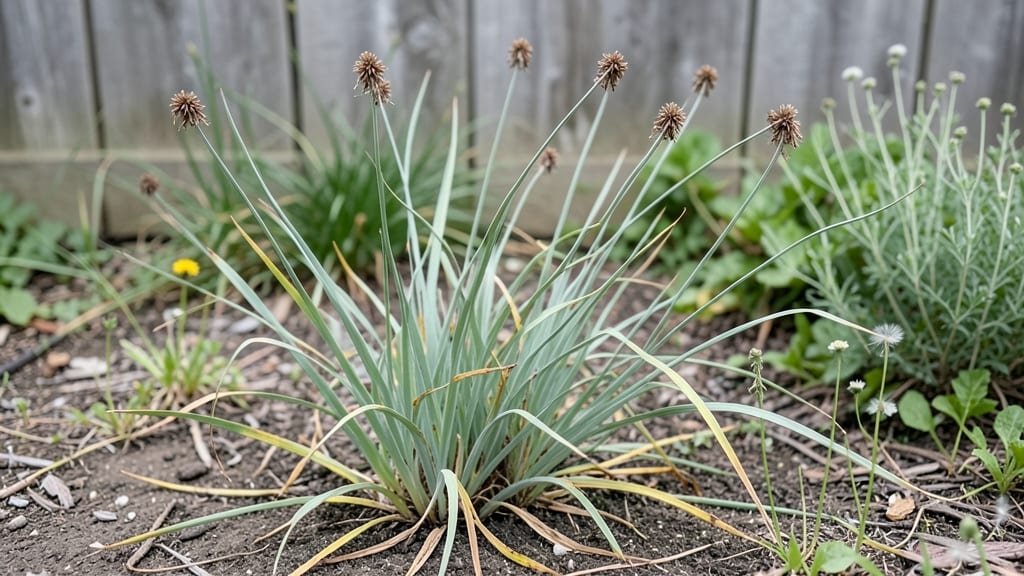
Looking for a blue juncus grass that turns soggy spots into stunning garden features? This drought-tolerant beauty thrives where most plants fail.
Struggling to find a hardy, low-maintenance plant that thrives in soggy soil while adding striking blue-green texture to your garden all year? Blue juncus grass could be your perfect solution—this resilient perennial brings effortless beauty to rain gardens, ponds, and damp corners.
Perfect for USDA Zone 6a, this grass handles everything from full sun to partial shade, making it ideal for modern or naturalistic designs. Its waist-high height adds structure without overwhelming smaller spaces.
Discover how to pair it with other grasses, perennials, or water-loving plants for a cohesive look. We’ll cover planting tips, care secrets, and creative ways to use it in borders, containers, and even as a focal point near water features.
Why blue juncus grass thrives in wet areas (and how to use it)
Blue juncus grass (Juncus effusus 'Blue Arrow') isn't just another pretty face in your garden—it's a water-loving superstar with natural adaptations that make it perfect for soggy spots.
Unlike many plants that wilt in wet soil, this blue-green grass thrives in moisture-rich conditions, thanks to its air-filled stems that prevent rot. Its tufted growth habit and arching stems create a textured, layered look that adds movement and interest to even the dampest corners of your yard.
What sets blue juncus apart is its year-round appeal. While many perennials fade in winter, this grass holds its blue-green hue through all four seasons, making it a low-maintenance workhorse for rain gardens, pond edges, and boggy landscapes.
Whether you're dealing with standing water, seasonal flooding, or simply a damp shady spot, blue juncus grass delivers effortless beauty with minimal fuss.
| Feature | Details |
|---|---|
| Plant Type | Perennial ornamental grass |
| Sunlight Needs | Full sun to partial shade (6+ hours) |
| Water Needs | Moist to wet soil; drought-tolerant once established |
| Mature Size | 2–3 feet tall, 2–3 feet wide |
| Soil Type | Clay, loam, sandy; tolerates poor drainage |
| Hardiness Zones | 3–9 (cold-hardy and heat-tolerant) |
| Best Uses | Rain gardens, pond edges, boggy areas, containers, erosion control |
Blue juncus grass excels in wet areas because its fibrous root system spreads horizontally, allowing it to absorb excess moisture while preventing soil erosion. Unlike many water-loving plants that require constant care, blue juncus is drought-tolerant once established, making it ideal for low-maintenance landscapes.
Its arching stems create a natural, flowing movement that softens hard edges around ponds or streams, while its blue-green color provides a striking contrast against darker foliage or water features.
For rain gardens, plant blue juncus in clumps of 3–5 plants spaced 12–18 inches apart to create a textured border that filters runoff while adding visual interest. Pair it with purple coneflowers or black-eyed Susans for a vibrant, pollinator-friendly display.
In pond edges, its tolerant roots handle fluctuating water levels, making it a reliable choice for areas where other plants might struggle.
If you're working with a boggy area, blue juncus grass thrives in waterlogged soil as long as it gets at least 4 hours of sunlight daily. Avoid full shade, as this can lead to leggy growth and pale foliage.
For containers, use a well-draining mix with peat moss to retain moisture, and place the pot in a shallow saucer to simulate wet conditions without overwatering.
One of my favorite landscape tricks is using blue juncus to define pathways in damp areas. Plant it in a single-file line along a garden path to create a natural, meandering border that guides visitors through your space.
The arching stems add dynamic movement, while the blue-green hue keeps the look fresh and modern. For a wild, naturalistic vibe, mix it with sedges and cattails in a wet meadow setting.
To maximize its year-round appeal, avoid over-fertilizing, which can lead to floppy stems and pale color. Instead, focus on mulching with organic matter like compost or shredded bark to retain moisture and improve soil structure.
In late winter, trim back any brown or woody stems to encourage new growth and maintain a neat appearance. With minimal effort, blue juncus grass will reward you with lush, vibrant foliage for decades.
Don't overlook its winter charm—blue juncus holds its structure even when other grasses fade. In snowy landscapes, its arching forms create textural contrast, while in mild climates, it stays green all winter long.
For urban gardens, its compact size makes it perfect for small spaces, balconies, or rooftop gardens where moisture retention is key.
If you're still unsure about using blue juncus in your wet areas, start with a small test patch near a downspout or low spot where water collects. Monitor its growth for a season—you'll likely be surprised by how quickly it establishes and how little maintenance it requires.
Once you see its versatility in action, you'll want to incorporate it into every damp corner of your garden.
Planting and care guide: how to grow blue juncus grass successfully
Blue juncus grass (Juncus effusus 'Blue Arrow') is one of the easiest wetland plants to grow, thriving where most grasses fail. Its arching blue-green foliage adds year-round texture to bog gardens, pond edges, and moisture-rich borders.
The key to success? Proper soil prep and minimal maintenance—this grass handles neglect better than many perennials.
Unlike fussy ornamentals, blue juncus grass doesn’t demand perfect conditions. It tolerates full sun to partial shade and even occasional flooding, making it ideal for rain gardens or areas with poor drainage.
With the right planting technique and seasonal care, you’ll enjoy its elegant, swaying clumps for decades with almost no effort.
Step-by-Step Planting & Care Guide
-
Step 1: Choose the Right Location
Select a spot with 6+ hours of sun or dappled shade. Avoid deep shade where foliage may lose its vibrant blue-green hue. -
Step 2: Prepare the Soil
Amend clay or compacted soil with organic matter (compost or peat moss) to improve drainage. Blue juncus grass hates soggy roots but loves moisture-retentive soil. -
Step 3: Plant at the Right Depth
Dig holes twice as wide as the root ball and plant crowns slightly above soil level to prevent rot. Space plants 12–18 inches apart for full, lush clumps. -
Step 4: Water Deeply After Planting
Soak the soil to remove air pockets and encourage root growth. Water morning-only to reduce fungal risks. -
Step 5: Mulch Lightly (Optional)
Apply 1–2 inches of mulch (cypress or pine straw) to retain moisture and suppress weeds. Avoid thick mulch layers that smother roots. -
Step 6: Fertilize Sparingly
Feed once in spring with a balanced 5-10-10 fertilizer (1 tbsp/plant). Skip summer feeding to avoid leggy growth. -
Step 7: Prune in Late Winter
Cut back dead or floppy stems to 3–4 inches tall before new growth emerges. This keeps the plant compact and tidy.
Once established, blue juncus grass requires almost no maintenance. Water deeply once weekly during dry spells, but resist the urge to overwater—this grass self-regulates in moist soils. In USDA Zones 5–9, it’s perennial and survives winters with no protection needed.
For container gardening, use large pots with drainage holes and a mix of peat moss and perlite. Repot every 2–3 years to refresh the soil. Pair it with cattails, hostas, or purple loosestrife for a lowland oasis effect.
With its drought tolerance and pest resistance, blue juncus grass is the ultimate no-fuss plant. Follow these steps, and you’ll enjoy its striking blue-green foliage for years with minimal effort. 🌿