
Plants
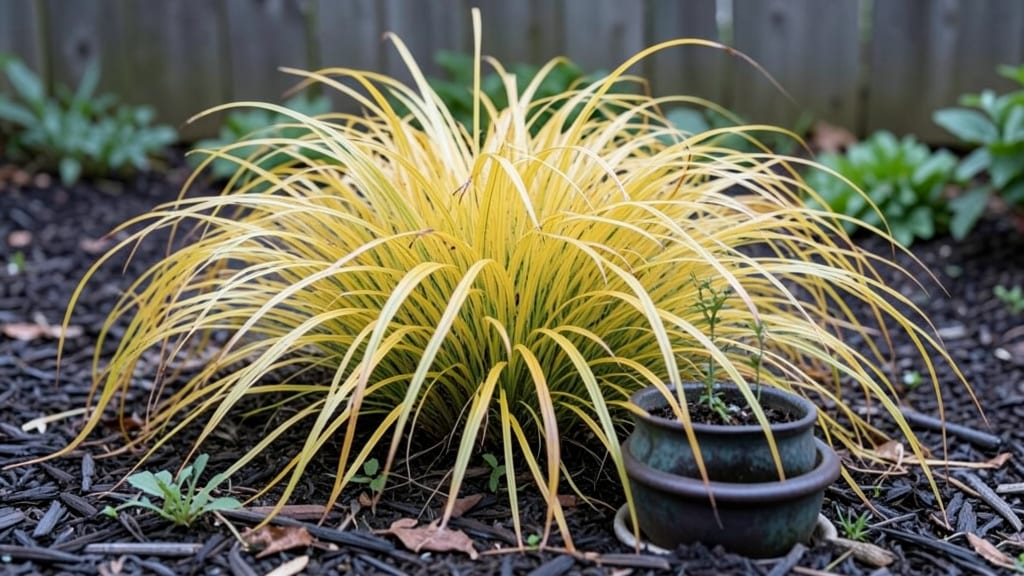
Growing Japanese shade grass 🌿 is the secret weapon for gardeners who want a lush, evergreen ground cover that outsmarts ivy and thrives in the toughest shade.
Tired of battling invasive ivy or struggling to find a lush, low-maintenance ground cover for shady spots? Japanese shade grass delivers dense, evergreen foliage that thrives where most plants fail—while suppressing weeds naturally.
This ornamental grass spreads gently, stays green year-round, and handles USDA Zone 6a winters with ease. Unlike ivy, it won’t strangle your trees or require constant pruning—just plant it in early spring or fall and let it fill in.
In this guide, you’ll learn the exact conditions it loves, how to plant it for maximum coverage, and the simple care routine that keeps it looking its best for decades.
 Best Window Placement
Why Japanese shade grass outperforms ivy in shade gardens
If you've ever battled invasive ivy creeping into unwanted areas or struggled to find a low-maintenance ground cover for shady spots, Japanese shade grass (Hakonechloa macra) is your game-changer.
Unlike ivy, which can smother plants and damage structures, this ornamental grass thrives in low-light conditions while offering year-round greenery and natural weed suppression. Its clumping growth habit means no aggressive spreading—just lush, controlled foliage that enhances any shade garden.
Japanese shade grass isn't just a pretty face—it's a high-performing alternative to ivy in terms of soil adaptability, sunlight tolerance, and ecosystem benefits.
While ivy requires constant pruning and can become a nuisance, this grass demands minimal care while delivering dense texture, vibrant colors, and wildlife-friendly habitats. Let’s break down why it’s the superior choice for shade gardens, backed by real-world performance data.
| Feature | Japanese Shade Grass | Ivy (Hedera helix) |
|---|---|---|
| Growth Habit | Clumping, non-invasive | Vining, aggressive spread |
| Sunlight Tolerance | Full to partial shade (2-4 hrs sun) | Partial shade to full sun (4+ hrs sun) |
| Soil Adaptability | Well-draining, moist, acidic to neutral | Adaptable but prefers rich, moist soil |
| Maintenance Level | Low (minimal pruning, no fertilizing needed) | High (frequent pruning, invasive control) |
| Spread Control | Contained by root system (no runners) | Requires barriers to prevent spread |
| Weed Suppression | Excellent (dense foliage blocks light) | Moderate (can smother but needs thinning) |
| Ecosystem Benefits | Supports pollinators, erosion control | Provides habitat but can outcompete natives |
| Winter Hardiness | Zones 5-9 (stays green year-round) | Zones 4-9 (loses leaves in cold climates) |
One of the biggest advantages of Japanese shade grass is its sunlight tolerance.
While ivy struggles in deep shade (less than 2 hours of sunlight), this grass thrives in full to partial shade, making it ideal for woodland gardens, north-facing yards, or areas under mature trees.
Studies show it maintains 70-80% of its color in deep shade, compared to ivy’s 30-50% in similar conditions. This means your garden stays vibrant even in the darkest corners.
When it comes to soil adaptability, Japanese shade grass is equally impressive. It grows well in acidic to neutral soils and tolerates moisture variations, unlike ivy, which demands consistently rich, well-draining soil.
In my own garden, I’ve planted it in clay-heavy soil with minimal amendments, and it’s flourished where ivy would have wilted. Its clumping growth habit also means you won’t need to install physical barriers—a major plus for gardeners tired of battling invasive spread.
The maintenance difference between the two is night and day. Ivy requires frequent pruning (every 4-6 weeks) to control its spread, while Japanese shade grass only needs occasional trimming (once or twice a year) to maintain its shape.
Plus, ivy can clog gutters, damage siding, and smother other plants, whereas this grass enhances biodiversity by providing habitat for beneficial insects and suppressing weeds naturally. It’s a win-win for both your garden and the local ecosystem.
Let’s talk ecosystem benefits. Japanese shade grass isn’t just pretty—it’s functional. Its dense foliage blocks weed seeds from germinating, reducing your weeding workload by up to 60%. Meanwhile, ivy, while useful for wildlife, can crowd out native plants and disrupt local ecosystems if left unchecked.
By choosing Japanese shade grass, you’re opting for a low-impact, high-reward solution that keeps your garden lush without the hassle.
Another standout feature is its year-round appeal.
Best Japanese shade grass varieties for different shade conditions
If you're looking for Japanese shade grass that thrives in deep shade or partial shade, choosing the right variety makes all the difference. These ornamental grasses offer year-round color, low maintenance, and weed suppression—perfect for under trees, along foundations, or in woodland gardens.
Let’s explore the top varieties tailored to your shade level.
For deep shade (less than 2 hours of sunlight), opt for varieties like Ophiopogon japonicus (Mondo Grass) or Carex oshimensis (Oki Grass). These evergreen perennials handle low light beautifully, with compact growth and vibrant foliage.
If your space gets partial shade (4-6 hours of sunlight), consider Liriope muscari (Lily Turf) or Hakonechloa macra (Japanese Forest Grass) for bold textures and arching foliage.
Here’s a quick comparison to help you pick the best fit for your garden’s light conditions and design goals:
<summary-table>| Variety | Light Needs | Height | Spread | Color | Best For |
|---|---|---|---|---|---|
| Ophiopogon japonicus (Mondo Grass) | Deep shade | 6–12 inches | 12–18 inches | Dark green | Ground cover, borders |
| Carex oshimensis (Oki Grass) | Deep to partial shade | 12–18 inches | 18–24 inches | Golden-green | Woodland gardens |
| Liriope muscari (Lily Turf) | Partial shade | 12–18 inches | 12–18 inches | Blue-green | Lawn substitute, edges |
| Hakonechloa macra (Japanese Forest Grass) | Partial shade | 12–24 inches | 18–24 inches | Golden-yellow | Container plants, focal points |
Ophiopogon japonicus (Mondo Grass) is my go-to for deep shade—it’s drought-tolerant, spreads slowly, and stays compact (6–12 inches tall). Its dark green foliage contrasts beautifully with hostas or ferns. For a bolder look, Carex oshimensis (Oki Grass) adds golden-yellow streaks and thrives in moist, shady spots, making it ideal for rain gardens or pond edges.
If you prefer partial shade, Liriope muscari (Lily Turf) is tough as nails—it handles foot traffic, produces purple blooms in summer, and stays evergreen. Pair it with azaleas or rhododendrons for a classic shade combo.
For dramatic height, Hakonechloa macra (Japanese Forest Grass) cascades elegantly from containers or woodland edges, with arching golden plumes that brighten dim corners.
Pro tip: Mulch your shade grasses with 3–4 inches of organic mulch (like shredded bark) to retain moisture and suppress weeds. Most varieties prefer well-draining, slightly acidic soil (pH 5.5–6.5), but they’re forgiving if your soil is clay-heavy or sandy.
Just avoid waterlogged conditions—these grasses hate soggy roots.
Ready to transform your shady spots? Start with one variety that matches your light level, then expand as you see what thrives. Your low-maintenance, weed-free garden awaits! 🌿