
Lawn
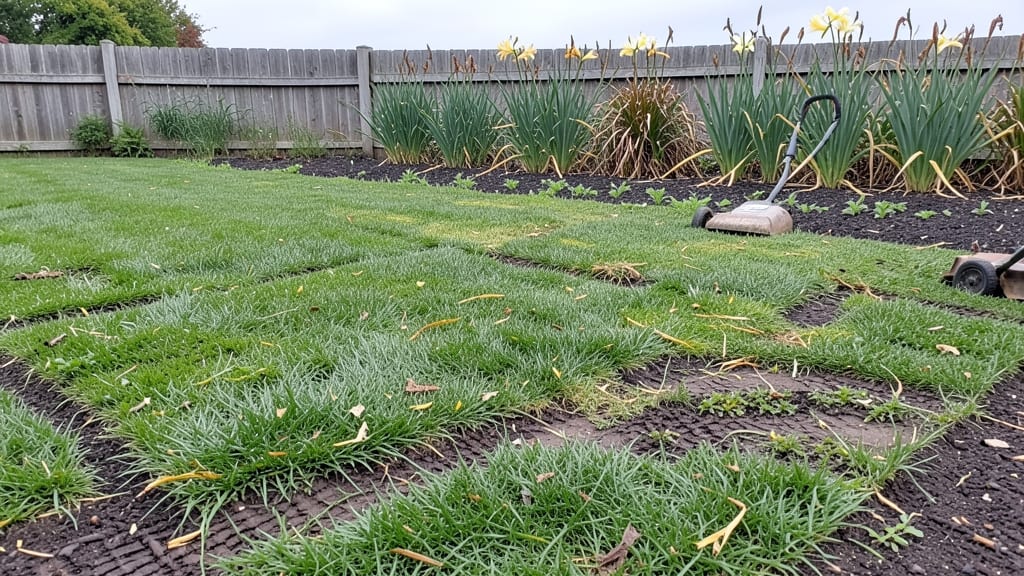
Mowing leaves can be good for your lawn when done correctly, as thin layers (under 1 inch) decompose quickly, returning nutrients to the soil, but thick layers smother grass and attract pests. Timing and frequency matter most for optimal lawn health.
Mowing leaves instead of bagging them—called leaf mulching—actually mimics nature's process of returning organic matter to the soil.
When leaves break down, they release nutrients like nitrogen and phosphorus, which feed your grass roots. 🌱 However, the key is thickness: a ¼-inch layer is ideal, while piles over 1 inch block sunlight and trap moisture, creating perfect conditions for fungus.
I’ve found that mowing leaves in late fall (after they’ve dried) works best, letting them decompose gradually over winter rather than clumping into mats.
For best results, use a mulching mower with sharp blades to chop leaves into tiny pieces. This speeds up decomposition and prevents thatch buildup. If your lawn has thick leaves (like oak), consider bagging them first, then spreading the mulch evenly—this balances the benefits without risking smothering your grass.
💡 In This Article
- How Leaf Mulching Benefits Grass Health
- Best Practices for Mowing vs Bagging Leaves
How leaf mulching benefits grass health
Leaf mulching works because it turns fallen leaves into a natural fertilizer through microbial action. When leaves decompose, they release nitrogen (essential for leaf growth) and phosphorus (critical for root development), creating a slow-release nutrient boost.
The process begins with soil microbes breaking down cellulose in leaves—thinner layers (¼-inch) allow oxygen to reach the soil, preventing anaerobic conditions that produce foul odors. 🌿 This aerobic decomposition also improves soil structure by creating tiny air pockets, which enhances root respiration and water infiltration.
Texture matters more than you'd think. Dry leaves (like maple) decompose faster than thick, waxy leaves (like oak) because their coarse structure resists breakdown. A ¼-inch layer of finely chopped leaves can decompose in 2-4 weeks, while a ½-inch layer may take 4-6 weeks.
Wet leaves, however, clump together and create thatch, blocking sunlight and suffocating grass. The key ratio is 1:10 leaves to soil—any more risks smothering, while less provides minimal nutrient benefits.
Seasonal timing directly impacts effectiveness. Fall is ideal because leaves fall when grass growth slows, reducing competition for nutrients. Mulching in late October to November lets leaves decompose gradually over winter, feeding roots when they’re dormant but still active.
Spring mulching, however, can smother new growth if leaves pile up before grass emerges. 🍂 The best approach is to mow leaves when they’re dry (after a frost) and spread them evenly—this prevents clumping and ensures even decomposition.
Microbial activity is the real secret weapon. As leaves break down, they feed beneficial soil bacteria and fungi, which in turn produce mycorrhizal networks that help grass roots absorb water and nutrients more efficiently.
Studies show lawns with mulched leaves have 20-30% more microbial diversity than those with bare soil, leading to stronger turf resilience. The trade-off? If you skip mulching, you miss out on this natural fertilizer—bagged leaves lose their soil-enriching benefits entirely.
What most people overlook is the carbon-to-nitrogen ratio in leaves. Dry leaves have a high carbon content (about 80:1 C:N ratio), which means they decompose slowly unless microbes get enough nitrogen. That’s why mulching works best when grass clippings (which are nitrogen-rich) are mixed in.
A 1:3 ratio of clippings to leaves speeds up decomposition and prevents nutrient lockout, where microbes tie up nitrogen instead of releasing it for grass roots. 🌱
For visual comparison, imagine two lawns: one with a ¼-inch mulched layer and another with a 1-inch thick mat. The first will show lush green growth in spring, while the second may develop yellow patches from smothered grass.
The difference comes down to oxygen flow—thick layers create anaerobic zones where harmful bacteria thrive, producing toxins that stress grass. Thin layers, however, maintain a healthy balance of air, water, and microbes, creating the perfect growing environment.