
Lawn
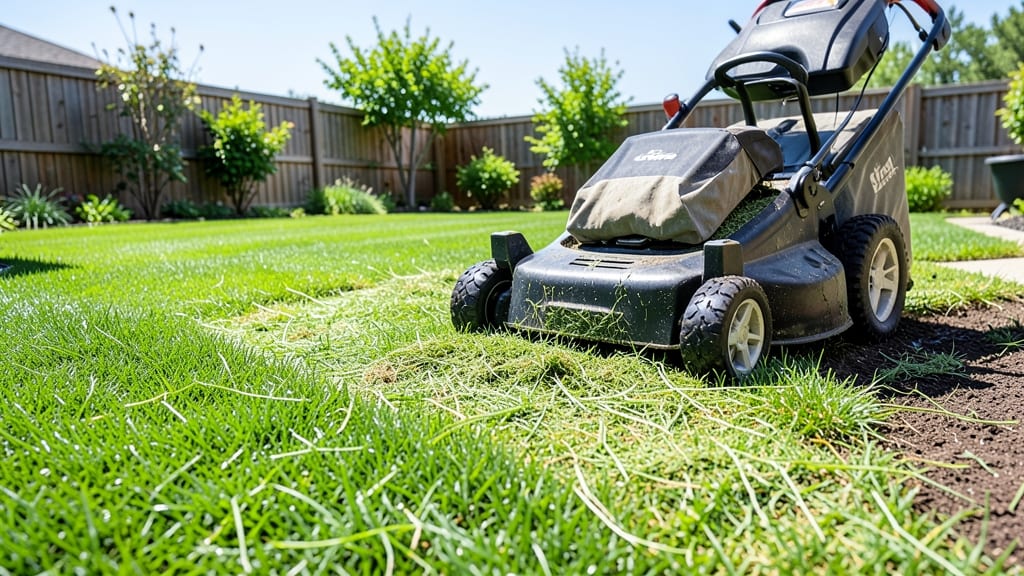
When mowing leaves into your lawn feels like a chore, it’s actually a secret weapon for healthier grass. 🌿 The right technique turns fallen foliage into natural fertilizer while smothering weeds—no extra work, just smarter mowing.
I’ve used this method for years, and my lawn stays thick, green, and weed-free with almost no effort.
Timing matters most: start when leaves are dry but not yet crispy, and work in small sections to avoid clogging your mower. A mulching blade is your best friend here—it chops leaves into tiny pieces that disappear into the grass, feeding the soil as they break down.
For larger leaves, like oak, bag them first or run over them twice to ensure they shred properly.
What you’ll end up with is a lawn that looks pristine without the hassle of raking or bagging. The shredded leaves act like a slow-release mulch, improving soil moisture and feeding grass roots all winter long.
Weeds struggle to take hold because sunlight can’t reach the soil, and your spring green-up arrives earlier and more vibrant.
This method works for any lawn type—cool-season grasses like fescue love it, and warm-season grasses like Bermuda handle it well too. Just adjust your mower height slightly higher in fall to help the leaves shred more easily.
The key is consistency: a little effort now means less work later and a lawn that’s the envy of the neighborhood.
📚 In This Guide
- What you need
- Instructions
- Tips and common mistakes
- Wrapping up and next steps
What you need
- ● Lawn mower – A mulching mower (preferred) or a standard mower with adjustable height settings (set to 3–4 inches for best results). If using a standard mower, ensure the bagging feature is disabled.
- ● Leaves – A moderate to heavy layer (about 2–3 inches deep) of dry, fallen leaves. Avoid wet or diseased leaves.
- ● Garden rake – A sturdy bow rake or leaf rake (with wide, flexible tines) to spread leaves evenly before mowing.
- ● Garden hose or sprinkler – For light watering (¼ inch) of the lawn 24–48 hours before mowing to soften leaves and grass.
- ● Gloves – Heavy-duty gardening gloves to protect your hands from sharp leaf edges and debris.
- ○ Knee pads (optional) – If you’ll be raking or adjusting settings on the ground.
- ● Leaf blower – For clearing large piles of leaves from sidewalks or driveways before spreading them on the lawn.
- ● Soil test kit – To check your lawn’s nitrogen levels before mulching (ideal pH: 6.0–7.0).
- ● Broadcast spreader – If you plan to add compost or fertilizer after mulching for extra soil enrichment.
- ● Wheelbarrow – For hauling leaves from thick piles to the lawn.
- ● Safety glasses – To shield your eyes from flying debris while mowing.
Step-by-step guide to mowing leaves into your lawn
Here's how to turn fall's leaf litter into rich, organic mulch that feeds your lawn naturally.
🪴 Step 1: Choose the Right Equipment and Timing
Use a mower with a mulching blade—look for the word "mulching" or "mulch" on the blade. A standard cutting blade tears leaves into large pieces that won't break down quickly. Set your mower to its highest setting (usually around 3-4 inches) to chop leaves finely but not shred them into dust. Wait until leaves are dry but not brittle—this usually happens after a few sunny days following rain.
Mulching works best when leaves are 3-4 inches deep on the lawn. If you have more, rake them into piles first, then spread them evenly. I like to work in small sections (about 10x10 feet) so I don't miss spots or overlap too much. This ensures even coverage and prevents clumping.
✂️ Step 2: Mow in Overlapping Passes
Start by mowing the lawn as you normally would, but leave the grass clippings on the surface. Then, make a second pass perpendicular to the first to chop the leaves into smaller, more manageable pieces. This cross-pattern ensures leaves get cut multiple times, creating a fine, even mulch. If your lawn has thick patches of leaves, do a third pass in the same direction as the first to break them down further.
Watch for areas where leaves pile up—these spots will smother grass if left thick. You'll know you've done it right when the lawn looks uniformly green with tiny leaf particles scattered like confetti. Avoid mowing when leaves are wet; they'll clump and clog your mower.
🌱 Step 3: Distribute Mulch Evenly
After mowing, use a rake to spread the mulched leaves evenly across the lawn. Aim for a thin, even layer—about ¼ inch thick—so sunlight can still reach the grass below. Thicker layers can smother grass and create thatch. Focus on areas with bare soil or thin grass first; these spots will benefit most from the organic boost.
I like to rake in one direction first to spread the mulch, then rake perpendicularly to break up any clumps. This creates a uniform, natural-looking layer that blends seamlessly with the lawn. If you notice bare patches after raking, add a little more mulch to those spots—they'll green up faster.
☀️ Step 4: Monitor and Maintain
Check your lawn after 3-5 days to see how the mulch is settling. If you notice thick patches, rake them out and redistribute. The mulch should break down within 2-4 weeks, enriching the soil with nitrogen and other nutrients. You'll see healthier grass in spring if you do this consistently.
Throughout winter, keep an eye out for leaves that accumulate in thick piles. Rake these up and redistribute them as mulch before they smother the grass. This method works best in moderate climates—if you get heavy snow, you may need to clear leaves before mulching in early spring.
💧 Step 5: Water Lightly After Mulching
Give the lawn a light watering after mulching to help the leaf particles settle into the soil. This also encourages decomposition and prevents the mulch from blowing away. Water in the early morning to avoid fungal issues. You won't need to water heavily—just enough to dampen the surface.
Over the next few weeks, you'll notice the mulch disappearing as it breaks down. This is a good sign! The grass may look a little dull at first, but once the nutrients release in spring, it'll bounce back stronger than ever. If you see any weeds sprouting, pull them early—the mulch will suppress them naturally over time.
Tips & tricks for perfect leaf mulching
These simple tricks will help you turn fall cleanup into a lawn-boosting routine without the hassle.
Equipment Check: If you don't have a mulching blade, set your mower to its highest cutting height and make extra passes—just know it'll take longer. I've used a standard blade in a pinch by mowing the same area three times in different directions, but the mulching blade is definitely the game-changer for even coverage. The key is patience: take your time to avoid missing spots or creating uneven piles.
Leaf Condition Matters: The instructions mention waiting for dry but not brittle leaves, but here's what nobody tells you—crispy, brittle leaves won't mulch well at all. They'll clog your mower and create dust instead of useful mulch. Test a few leaves between your fingers: they should bend slightly but not crumble. This usually happens after 2-3 sunny days following rain, but it varies by leaf type—maple leaves stay pliable longer than oak.
Visual Cues for Success: After your second pass in Step 2, the perfect mulch should look like fine, dark confetti scattered across your lawn. If you see larger leaf chunks, do one more pass in the original direction. Pro tip: walk across the lawn after mulching—if you leave dark footprints, you've got too-thick mulch in those spots. Rake those areas lightly and redistribute the mulch to about ¼-inch thickness.
Seasonal Timing: While the instructions focus on fall, you can actually mulch leaves year-round in mild climates. In early spring, mulch any remaining leaves before new growth appears—this gives your lawn a nutrient boost when it needs it most. Just avoid mulching when frost is expected, as the leaves won't break down properly and may smother tender new grass shoots.
Pro Tips for Mowing Leaves Into Lawn
- These simple tricks will help you turn fall cleanup into a lawn-boosting routine without the hassle.
- Equipment Check: If you don't have a mulching blade, set your mower to its highest cutting height and make extra passes—just know it'll take longer.
- Leaf Condition Matters: The instructions mention waiting for dry but not brittle leaves, but here's what nobody tells you—crispy, brittle leaves won't mulch well at all.
Frequently asked questions
Got questions about mowing leaves into your lawn? Here are some of the most common concerns—and their answers—to help you mulch like a pro!
Is it safe to mulch leaves directly into the lawn?
Yes! When leaves are finely chopped (⅜-inch or smaller), they break down quickly and act as a natural fertilizer. Just avoid thick layers—aim for no more than ¼-inch deep to prevent smothering grass. Wet leaves mulch better than dry ones, so water lightly if needed.
When is the best time to mow leaves into the lawn?
Timing matters! Mulch leaves before they mat down (fall/winter) or after they’ve dried out in early spring. Avoid mulching freshly fallen leaves—wait 1–2 weeks for them to crisp up. For year-round lawns, spread mulched leaves evenly as they fall.
Will mowing leaves into the lawn kill my grass?
Not if done right! Thick, unmulched leaf layers (over ½-inch) can suffocate grass by blocking sunlight. Use a sharp mower blade and mow frequently in small batches. For stubborn piles, rake them up first or use a leaf vacuum to thin them out.
Can I mulch wet or frozen leaves into the lawn?
Wet leaves mulch best—they break down faster and stick to the grass blades. Frozen leaves? Tackle them early in the day when they’re slightly thawed. If they’re icy, wait for a warmer day or use a mulching mower with heavy-duty blades to avoid clogging.
What if my mower isn’t designed for mulching?
No mulching mower? No problem! Use a standard mower with a bagger and run it over leaves twice—first to chop them, then to refine the pieces. For large piles, a string trimmer with a mulching head works too. Just avoid leaving large clumps behind.
Pro Tip:
For even distribution, mow in two perpendicular directions (like a crosshatch pattern) to ensure tiny, uniform pieces. This speeds up decomposition and keeps your lawn looking tidy!
Wrapping up and next steps
Transforming fallen leaves into lawn mulch isn’t just clever—it’s a game-changer for your yard’s health! 🌿 By blending leaf mulching with regular mowing, you’ll boost soil fertility, smother weeds, and reduce waste—all while saving time and effort.
This dual-purpose approach turns seasonal chores into a sustainable habit that benefits your lawn year-round.
Ready to put it into action? Start small—try mulching just one section of your lawn this fall, then expand as you see the results. Your future self (and your grass) will thank you! Happy mulching! 🌱