
Lawn
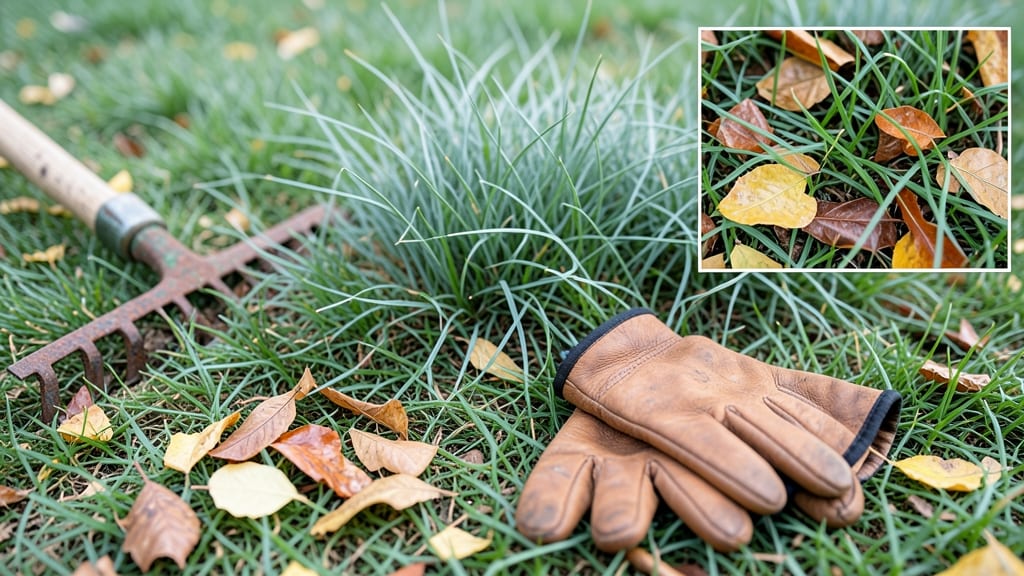
Leaving leaves on your lawn isn’t always bad—they can enrich soil and retain moisture, but thick accumulations may smother grass and create pest problems. A layer thinner than 1 inch works best for most lawns.
Leaves actually act as a natural mulch when left on lawns, breaking down into organic matter that feeds soil microbes and improves texture. 🌿 The key is balance—too many leaves block sunlight and trap moisture, creating anaerobic conditions that harm grass roots.
I’ve found that mulching leaves with a sharp mower (cutting them into small pieces) distributes nutrients more evenly than letting them pile up.
For best results, aim to thin leaves to about ½ inch thick and spread them evenly. In fall, this practice can reduce winter watering needs while preventing thatch buildup. Just avoid leaving whole leaves on cool-season grasses like fescue—they’ll smother tender shoots trying to sprout in spring.
💡 In This Article
- How Leaves Affect Grass Health and Soil Nutrition
- Best Practices for Mulching Lawn Leaves Effectively
How leaves affect grass health and soil nutrition
Leaves decompose through a process called litter decomposition, where soil microbes and fungi break down cellulose and lignin into simpler compounds.
This releases nitrogen, phosphorus, and potassium—key nutrients grass roots absorb for growth. 🌱 For example, a single oak leaf can take 1-2 years to fully decompose, but smaller pieces (like mulched leaves) break down in just 3-6 months, releasing nutrients faster.
The organic matter also improves soil structure by increasing aeration and water retention, which is why gardeners often use leaf mold as a natural soil amendment.
However, too many leaves create anaerobic conditions—when thick layers block oxygen, microbes switch to fermentation, producing harmful byproducts like ethanol and methane.
This can weaken grass roots and attract pests like slugs or fungus gnats. 🐜 The threshold is typically 1 inch or thicker: studies show grass clippings and leaves over this depth reduce photosynthesis by up to 50% in shaded areas.
Warm-season grasses like Bermuda handle thicker layers better than cool-season grasses like Kentucky bluegrass, which need sunlight to regrow in spring.
The nitrogen release from decomposing leaves is a double-edged sword. While it feeds grass, excessive nitrogen can promote thatch buildup (a dense layer of dead grass and roots) if not balanced with proper mowing.
Over time, thatch can insulate soil, trapping moisture and creating ideal conditions for fungal diseases like brown patch. 🍄 To mitigate this, aerate your lawn in fall if you notice thatch exceeding ½ inch thickness, allowing water and nutrients to penetrate deeper.
Seasonal timing matters too. In fall, leaves decompose slower due to cooler temperatures, so mulching them early (October-November) gives microbes more time to break them down before winter dormancy.
Spring is riskier—whole leaves left on lawns can smother new grass shoots trying to emerge, especially in wet climates where leaves mat together. A quick pass with a mulching mower (set to 3-4 inches high) shreds leaves into confetti-sized pieces, accelerating decomposition while minimizing smothering.
Consider leaf type as well. Maple or oak leaves decompose faster than pine needles (which are acidic and slow to break down), while sweet gum leaves form a thick, spiky mat that can pierce grass blades. 🌳 If your yard has a mix, aim for a 50/50 ratio of leaves to grass clippings when mulching—the clippings add nitrogen to balance the carbon-rich leaves, creating a more balanced soil food web.
For lawns with existing pest issues, like grubs or chinch bugs, leaving thick leaf layers can exacerbate problems. These pests thrive in moist, shaded environments, so monitor your lawn after mulching.
If you notice increased pest activity, rake up excess leaves and consider composting them separately to avoid creating a pest haven.