
Plants
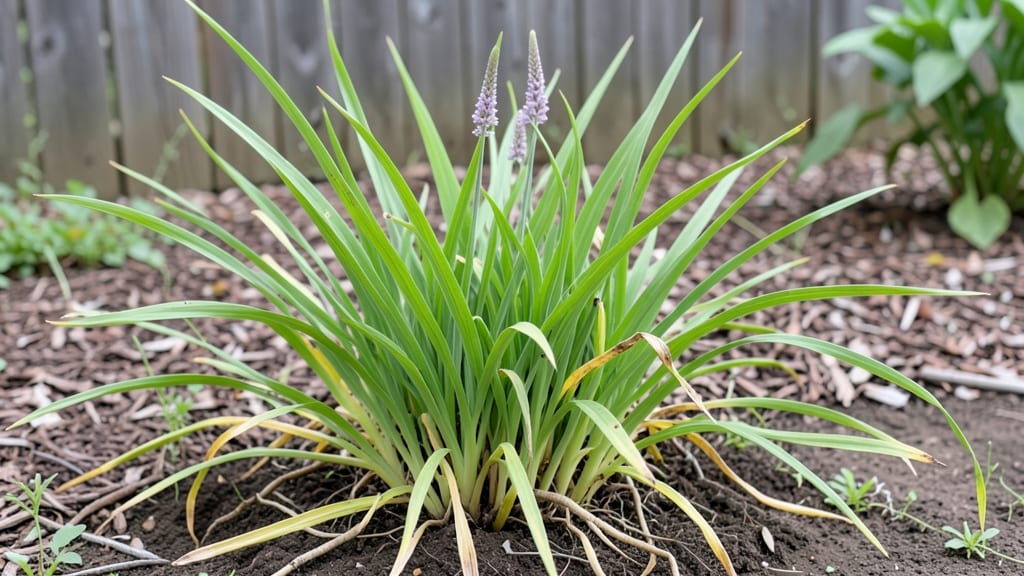
Is lemon grass invasive? Yes, it can become highly invasive in warm climates, spreading rapidly through underground rhizomes and self-seeding, though its spread varies based on local climate and garden management.
Lemon grass thrives in tropical and subtropical regions where temperatures stay consistently warm, allowing its extensive root system to expand unchecked.
The underground rhizomes can spread up to 3 feet per year under ideal conditions, while the plant also drops seeds that germinate easily. 🌱 Unlike some aggressive invaders, however, lemon grass responds well to proactive control measures—making it manageable for gardeners who monitor its growth closely.
What sets lemon grass apart is its dual invasion method: both its roots and airborne seeds contribute to spread. In drier climates or cooler seasons, growth slows significantly, giving gardeners natural breaks to contain it.
The key is acting before the rhizomes establish deep networks, which is why many experts recommend growing it in containers or designated garden beds with physical barriers.
💡 In This Article
- Why Lemon Grass Spreads So Quickly
- Effective Lemon Grass Control Methods
Why lemon grass spreads so quickly
Lemon grass spreads rapidly because of its specialized underground rhizome system, which functions like a horizontal stem. These rhizomes grow aggressively in warm, moist conditions, extending up to 2-3 feet annually under optimal tropical/subtropical environments.
The plant allocates significant energy to rhizome production, allowing it to outcompete nearby vegetation by creating dense root networks that steal water and nutrients.
The rhizomes contain nodes that can sprout into new plants, creating a continuous underground colony. In ideal conditions—soil temperatures above 70°F and consistent moisture—each node can produce a new shoot every 2-4 weeks.
This rapid vegetative reproduction is why lemon grass often forms thick, impenetrable clumps that crowd out other plants. The plant's vertical stems also develop seed heads that release lightweight seeds carried by wind or water, adding a second layer of spread.
Climate plays a critical role in this proliferation. Lemon grass thrives in USDA zones 9-11 where frost never occurs, but even in cooler regions, it can survive as a perennial if protected. The plant's ability to photosynthesize through its leaf bases allows it to regenerate quickly after cutting.
In contrast, colder climates slow rhizome growth to a crawl, making containment much easier. The combination of these biological traits explains why lemon grass becomes a garden nuisance in warm areas where it faces minimal natural checks.
What makes lemon grass particularly effective as an invader is its adaptability to disturbed soils. Construction sites, garden edges, and even cracks in pavement provide ideal entry points for rhizomes to establish new colonies.
Unlike some invasive species that rely on a single spread method, lemon grass combines both underground and airborne reproduction, creating multiple pathways for expansion. This dual strategy is why it often escapes containment efforts that target only one method of propagation.
The plant's aromatic leaves also mask its spread—many gardeners don't realize they're dealing with an invasive until it's too late. The citrusy scent from citral compounds doesn't just attract humans; it may also deter some herbivores that would otherwise control the plant's growth.
This chemical defense mechanism, combined with its rapid growth rate, creates a perfect storm for unchecked proliferation in suitable climates.
Understanding these mechanisms reveals why lemon grass requires different control strategies than annual weeds. Simply pulling plants without removing the rhizomes leaves behind dormant nodes ready to regrow.
The plant's resilience stems from this biological combination of aggressive root systems, prolific seeding, and chemical defenses that work together to dominate suitable environments.