
Planting
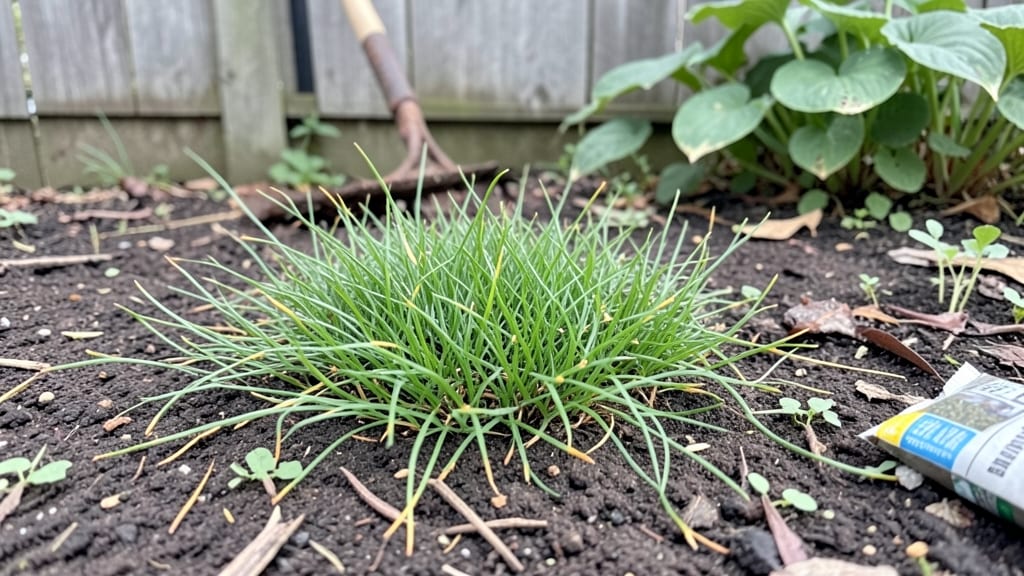
To plant grass seeds in the fall, aim for when soil temperatures settle between 60–70°F, about 4–6 weeks before your area's first frost date. This timing gives cool-season grasses the perfect window to establish strong roots before winter dormancy, resulting in lush, vibrant lawns come spring.
Timing matters because cool-season grasses like Kentucky bluegrass and fescue need consistent moisture and moderate temperatures to germinate properly. 🌱 When you plant too early, seeds may sprout but struggle with summer heat; too late, and they won't have enough time to develop deep roots before cold sets in.
I've found that checking your local frost date and counting backward gives you a clear target—most regions benefit from planting between mid-September and early November, depending on their climate zone.
What's interesting is how this timing varies by region. In cooler northern states, you might start as early as August, while southern areas with milder winters can extend planting into December.
The key is watching for that sweet spot where soil stays warm enough for germination but nights are cooling down—this balance is what sets up your lawn for success.
💡 In This Article
- Ideal Soil Temperature Ranges for Fall Grass Seed Germination
- Regional Fall Planting Timelines by Grass Type
Ideal soil temperature ranges for fall grass seed germination
Here's what's actually happening in your lawn when those soil temperatures hit that 60–70°F sweet spot: cool-season grass seeds enter their metabolic "golden window" for germination. At these temperatures, enzymes in the seed coat activate just enough to break dormancy without overheating the delicate embryonic roots.
Below 55°F, enzymatic activity slows dramatically—seeds may not sprout until spring, if at all. Above 75°F, seeds risk dehydration stress as their protective outer layers become too permeable. 🌱
The magic happens because cool-season grasses evolved to germinate during this transitional period. Their natural growth cycle syncs with autumn's cooling trend, where daytime warmth provides energy while nighttime chill signals it's time to establish roots before winter.
For example, Kentucky bluegrass seeds need 50–60°F soil to germinate, but they grow most vigorously when soil stays between 65–75°F during the day.
This explains why planting too early in summer can lead to weak seedlings—high daytime temps cause seeds to germinate too quickly, exhausting their energy reserves before roots can develop.
What most people don't realize is how frost timing creates this perfect window.
The 4–6 weeks before first frost rule accounts for two critical factors: first, it gives seeds 4–6 weeks of active growth (about 28–42 days) to develop roots 2–3 inches deep—a depth that insulates against winter freeze-thaw cycles.
Second, it ensures seedlings enter dormancy with enough energy reserves to survive 28–30°F temperatures. Research from the USDA shows that grasses with roots deeper than 2 inches survive winter 80% better than those with shallow root systems.
Temperature also affects seed viability differently based on grass type. Tall fescue, for instance, can tolerate cooler germination temps (50–60°F) but grows fastest at 65–75°F, while perennial ryegrass prefers 60–70°F consistently.
The 10°F difference in optimal germination temps between these grasses explains why some lawns establish faster than others in the same region.
For example, in USDA Zone 5, planting ryegrass in early September (soil 65°F) gives it 6 weeks of ideal growing conditions before frost, while fescue planted in mid-September (soil 60°F) may take 8 weeks to reach the same root depth.
Moisture retention becomes equally critical at these temperatures. Soil at 60–70°F holds 15–20% more water than summer-heated soil, giving seeds consistent hydration without risking rot. This is why fall planting often requires 25–35% less water than spring planting—seeds don't dry out as quickly.
The trade-off? If temperatures drop below 50°F too soon, germination halts entirely until spring. That's why checking a 7-day soil temperature forecast (available through local agricultural extensions) can save you from planting too late.
One advanced technique I've found helpful is using a soil thermometer to verify temps at 4-inch depth—surface temps can vary 10°F from deeper layers. For example, in Zone 6, surface soil might hit 75°F in late September while 4-inch depth stays at 65°F.
Planting based on surface temps could stress seeds, while 4-inch readings give a more accurate picture of root-zone conditions. This small adjustment can mean the difference between 80% germination and 50%.
The bottom line? That 60–70°F window isn't arbitrary—it's the physiological sweet spot where cool-season grasses balance growth speed with root development.
Planting here ensures your lawn enters winter with the resilience to bounce back stronger in spring, while avoiding the common pitfalls of summer heat stress or winter dormancy too soon. 💫