
Plants
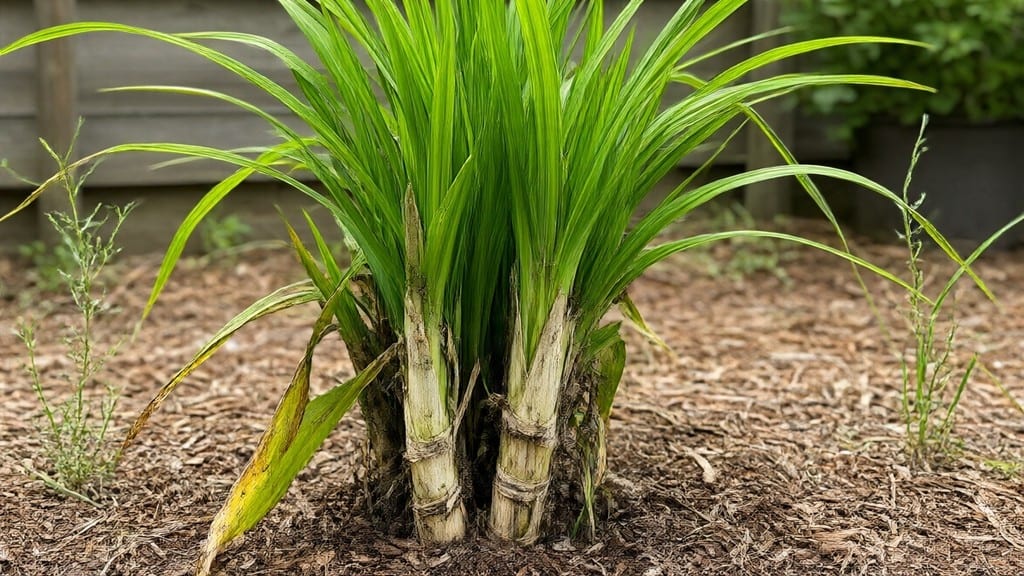
Lemon grass and citronella are different plants, even though they both come from the citrus family and help keep mosquitoes away. Lemon grass has a bright lemon scent and is used in cooking, while citronella is grown mainly for its strong bug-repelling smell and decorative appeal. Their plant families and growth patterns are also quite different.
Lemon grass, or Cymbopogon citratus, is prized in kitchens worldwide for its zesty, citrusy kick—think Thai soups or Vietnamese pho. 🌿 Meanwhile, citronella (Cymbopogon nardus or C. winterianus) is the go-to for outdoor pest control, thanks to its high citronellal content, which mosquitoes hate.
The key difference lies in their chemical makeup: lemon grass packs more citral (the lemony compound), while citronella’s oils are engineered for maximum bug-fighting power. Growing them side by side?
You’ll notice lemon grass stays compact (1–2 feet tall) with slender leaves, while citronella towers (3–5 feet) with broader, grassier foliage.
For practical use, swap them based on your needs: toss lemon grass stems into dishes for flavor, or plant citronella around patios to create a natural mosquito barrier. Both thrive in warm climates, but citronella’s hardiness makes it the winner for outdoor landscapes.
The confusion often comes from their similar names—even though they’re cousins in the grass family, their roles in your home or garden couldn’t be more distinct.
💡 In This Article
- Botanical and Chemical Differences Between Lemon Grass and Citronella
- Practical Uses: Lemon Grass vs. Citronella in Gardens and Homes
Botanical and chemical differences between lemon grass and citronella
The key distinction starts with their scientific classification. Both belong to the Cymbopogon genus within the grass family (Poaceae), but lemon grass (Cymbopogon citratus) and citronella (Cymbopogon nardus or C. winterianus) have different chemical profiles that define their functions.
Lemon grass contains 60-85% citral (a mix of geranial and neral), giving it that signature lemony aroma, while citronella oils are dominated by 35-50% citronellal and 20-30% geraniol, which are far more effective at repelling insects. 🔥
Their physical structures also differ significantly. Lemon grass grows in tight clumps reaching 1-2 feet tall, with long, slender leaves (about 0.5 inches wide) that roll when dried.
Citronella, however, can reach 3-5 feet tall with broader, flat leaves (1 inch wide) that spread outward, creating a bushier appearance.
These structural differences affect how each plant interacts with its environment—lemon grass's compact form makes it ideal for kitchen gardens, while citronella's height and density provide better coverage for outdoor pest protection.
The chemical composition directly impacts their pest-repellent efficacy. Citronella's high citronellal content makes it 2-3 times more effective against mosquitoes than lemon grass, according to studies in the Journal of Medical Entomology. The reason? Citronellal disrupts insects' olfactory receptors more aggressively.
Meanwhile, lemon grass's citral compounds offer mild repellent properties but are primarily valued for their culinary and aromatic qualities. This chemical divergence explains why citronella dominates commercial mosquito repellent products while lemon grass finds its niche in gourmet cooking.
Growing conditions further highlight their differences. Lemon grass thrives in partial shade to full sun and prefers well-drained soil with consistent moisture, making it perfect for container gardening. Citronella, however, tolerates full sun exposure and drier conditions, which aligns with its outdoor landscaping applications.
The oil extraction process differs too—lemon grass yields 0.3-0.6% essential oil by weight, while citronella produces 0.5-1.5%, making it more economical for large-scale pest control production.
What most people don't realize is how these differences extend to their medicinal properties. Lemon grass's citral has been studied for its anti-inflammatory and antioxidant benefits, while citronella's geraniol shows promise in antimicrobial applications.
The plant structures even influence how they're harvested—lemon grass is typically cut at the base for cooking, while citronella stems are processed for oil extraction at 6-8 months of growth when oil concentration peaks. These nuances reveal how nature has specialized each plant for distinct human needs.
For visual learners, imagine this comparison: lemon grass resembles a tall, skinny lemon with a tight bundle of leaves, while citronella looks like a bushy, grassy hedge.
The scent difference is equally striking—lemon grass smells like bright citrus with herbal notes, while citronella emits a strong, camphor-like aroma that overpowers most rooms. This sensory contrast perfectly mirrors their functional divide in our daily lives. ✨