
Container Gardens
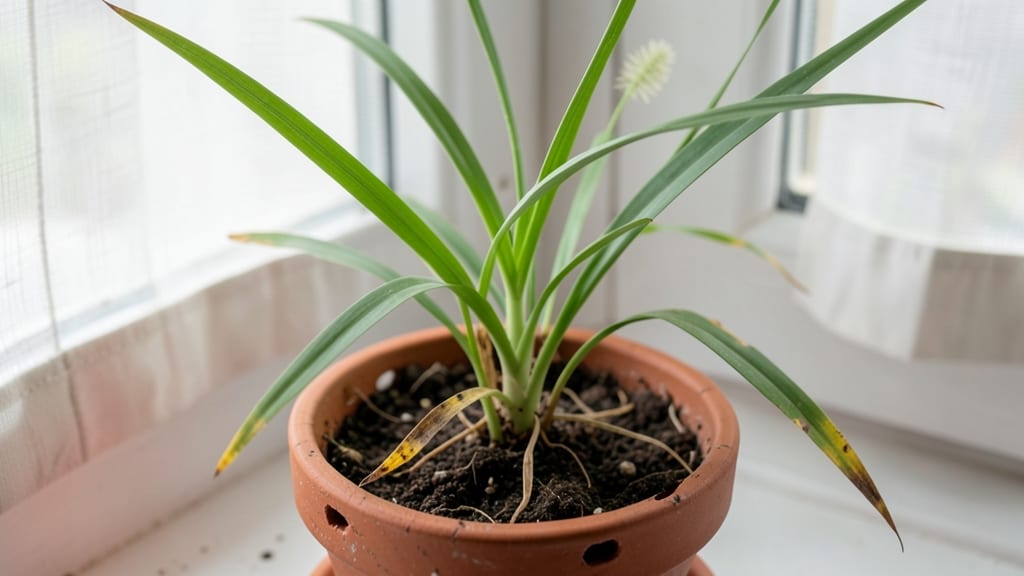
Yes, lemon grass can grow indoors with bright, indirect light, well-draining potting soil, and a pot at least 12 inches deep. Keep soil consistently moist and maintain warm temperatures between 70-85°F for optimal growth.
Lemon grass thrives indoors when you replicate its tropical origins—think of it as a sun-loving houseplant that needs warmth and moisture. 🌿 The key is positioning it near a south- or west-facing window where it gets at least 6 hours of bright, indirect light daily.
Without enough light, you’ll notice yellowing leaves or slow growth, so supplement with a grow light if natural light is limited. I’ve found that maintaining 50-60% humidity (like a humidifier or pebble tray) prevents the brown tips that often plague indoor lemon grass, especially in dry climates.
For soil, mix sandy loam with perlite or coconut coir to mimic its native drainage needs—waterlogged roots are a common killer. A 12-inch pot with drainage holes gives roots room to spread while preventing rot, and I water from the bottom to encourage even moisture without soggy soil.
Fertilizing lightly every 4-6 weeks with a balanced liquid fertilizer keeps it lush without overpowering the plant.
💡 In This Article
- Optimal Light and Temperature Conditions for Indoor Lemon Grass
- Choosing Soil, Pots, and Watering Strategies for Potted Lemon Grass
Optimal light and temperature conditions for indoor lemon grass
Lemon grass originates from tropical regions where it thrives under 12-14 hours of bright, indirect sunlight daily. Indoors, this translates to positioning near south- or west-facing windows where light intensity reaches 1,000-2,000 foot-candles—about the brightness of a well-lit office.
Direct sun can scorch leaves, while insufficient light causes yellowing (chlorosis) due to reduced chlorophyll production. 🔥
Grow lights become essential in low-light conditions. A full-spectrum LED grow light placed 12-18 inches above the plant for 12-14 hours daily mimics natural sunlight. Blue spectrum (400-500nm) promotes leafy growth, while red (600-700nm) encourages stem elongation—both critical for lemon grass development.
Without proper light, stems grow leggy and weak, a clear sign of light deprivation.
Temperature plays a crucial role in photosynthesis efficiency. Lemon grass prefers 70-85°F during the day, with nighttime temperatures not dropping below 60°F. Below 55°F, growth slows dramatically due to metabolic shutdown.
In warmer climates, maintain airflow with a small fan to prevent fungal issues from high humidity combined with heat. 🌡️
Humidity levels above 50% are ideal to prevent brown leaf tips—a common indoor problem. Use a humidifier or place the pot on a tray of pebbles with water to increase moisture.
In dry air (below 40% humidity), lemon grass transpires rapidly, leading to dehydration stress visible as crispy leaf edges. This mimics its tropical habitat where relative humidity often exceeds 70%.
Signs of stress reveal specific issues: Yellowing leaves indicate overwatering or poor drainage, while purple stems signal phosphorus deficiency from inadequate light. Stunted growth typically stems from either insufficient light or root-bound conditions. Regularly check soil moisture—it should feel like a damp sponge, not soggy or bone-dry. 💫
For maximum growth, rotate the plant weekly to ensure even light exposure. This prevents uneven growth where one side stretches toward the light source. In winter months, supplement natural light with grow lights to maintain the 12-hour photoperiod lemon grass requires for optimal photosynthesis.
The result? Vigorous, aromatic stalks ready for harvest in just 3-4 months.