
Plants
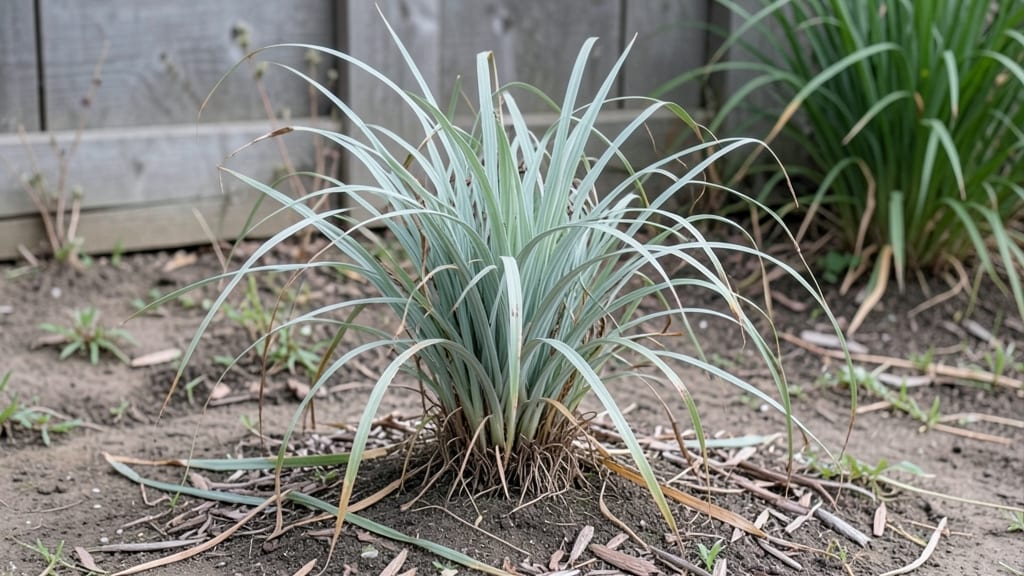
Growing citronella grass (Cymbopogon nardus) 🌿 is your secret weapon against summer’s worst pests—no chemicals required.
Picture this: You’re hosting a backyard barbecue, the sun’s setting, and suddenly—mosquitoes vanish. That’s the power of this tropical grass, which packs a natural repellent so strong it’s been used in candles and oils for decades. The catch? It needs the right conditions to thrive in your yard.
From April to May, when the soil warms up, you can plant it in full sun and watch it grow into a 4- to 6-foot mosquito magnet. But here’s the kicker: Skimp on sunlight or water, and it’ll wilt faster than your patience during a swarm.
Below, I’ll show you exactly how to keep it lush and effective all season.
Ready to reclaim your patio? Let’s dive into the soil, sunlight, and watering secrets that turn this grass from a flop into your garden’s best defense.
How to grow citronella grass (Cymbopogon Nardus) for Maximum Mosquito Repellent Power
Tired of swarms of mosquitoes ruining your outdoor gatherings? Citronella grass (Cymbopogon nardus) isn’t just folklore—it’s a science-backed, natural solution that thrives in your yard with the right care.
This aromatic grass releases natural citronella oil when crushed, creating a mosquito-free zone up to 10 feet around your plants. The key to unlocking its full repellent power lies in proper planting, sunlight exposure, and consistent care.
Citronella grass grows best in warm climates (USDA zones 9-11) but can thrive in containers if you live in cooler areas. Whether you’re starting from seeds or cuttings, following a structured approach ensures your plants grow tall, healthy, and potent.
Let’s dive into the step-by-step process to cultivate citronella grass that keeps mosquitoes at bay all season long.
Step-by-Step Guide to Growing Citronella Grass
-
Step 1: Choose Your Planting Method
- Start from seeds (slower, 3-4 months to mature) or cuttings (faster, 2-3 months).
- For seeds, soak overnight to soften the hard outer shell.
- For cuttings, use 4-6 inch stems from a healthy plant.
-
Step 2: Prepare the Soil
- Citronella thrives in well-draining soil with a pH of 6.0-7.0.
- Mix compost or aged manure into garden beds or potting soil.
- Avoid heavy clay soils that cause root rot.
-
Step 3: Plant in Full Sun
- Select a spot with 6-8 hours of direct sunlight daily.
- Space plants 12-18 inches apart for optimal airflow.
- In containers, use pots at least 12 inches deep with drainage holes.
-
Step 4: Water Deeply and Consistently
- Water deeply 2-3 times per week during active growth.
- Avoid overwatering, which leads to yellow leaves.
- Let top 1-2 inches of soil dry between waterings.
-
Step 5: Fertilize for Potency
- Use a balanced fertilizer (10-10-10) every 4-6 weeks in spring/summer.
- Avoid high-nitrogen fertilizers, which promote leafy growth over oil production.
- Stop fertilizing in fall and winter to encourage dormancy.
-
Step 6: Prune for Health and Aroma
- Trim brown or damaged leaves regularly to encourage new growth.
- Cut back 1/3 of the plant in early spring to stimulate bushiness.
- Avoid heavy pruning in late summer, as it reduces oil production.
-
Step 7: Protect from Pests and Diseases
- Watch for aphids or spider mites; treat with neem oil if needed.
- Ensure good airflow to prevent fungal diseases like leaf spot.
- Rotate container plants annually to prevent soil-borne diseases.
-
Step 8: Harvest for Maximum Repellent Power
- Harvest leaves when they’re 12-18 inches long and highly aromatic.
- Use fresh leaves in citronella torches or crush them near seating areas.
- Dry leaves for homemade repellent oils or potpourri.
One of the biggest mistakes gardeners make is underestimating sunlight—citronella grass needs full sun exposure to produce the highest concentration of citronella oil. If you notice your plants growing tall and leggy with weak stems, they’re likely not getting enough light.
Move them to a sunnier spot immediately, or supplement with a grow light if indoors.
For container gardening, choose pots with drainage holes and use a lightweight potting mix to prevent root rot. Citronella grass in containers can be moved indoors during winter months in cooler climates, but keep them near a south-facing window to maintain growth.
Just remember to reduce watering when the plant enters dormancy.
If you’re growing from seeds, germination can take 14-21 days in warm soil. To speed this up, use a seedling heat mat set to 75-80°F. Once seedlings reach 4-6 inches tall, transplant them outdoors or into larger containers.
Hardening off seedlings for 7-10 days before transplanting helps them adjust to outdoor conditions.
To maximize mosquito-repelling power, plant citronella grass in clusters of 3-5 plants near patios, decks, or garden seating areas. The combined aroma creates a stronger natural barrier against pests. For even greater effectiveness, pair citronella with lavender or basil, which also repel mosquitoes and complement its citrusy scent.
Citronella grass varieties: comparing Cymbopogon Nardus Types for Climate and Effectiveness
Not all citronella grass is created equal—some varieties pack a stronger mosquito-repelling punch while others thrive in cooler climates. The two most common types, Cymbopogon nardus and Cymbopogon winterianus, offer distinct advantages depending on where you live and how you plan to use them.
If you’re in USDA zones 9-11, you’ll likely want the hardier C. winterianus, but C. nardus may surprise you with its potency if given the right conditions. Let’s break down their key differences so you can pick the perfect variety for your yard.
First, let’s tackle the mosquito-repelling strength. Cymbopogon winterianus is the gold standard for citronella oil production, with a higher citronellal content (the compound that keeps bugs away). Meanwhile, C. nardus has a milder scent but grows more aggressively in tropical climates.
Your choice depends on whether you prioritize potency or growth speed. For example, if you’re growing citronella for homemade repellent oils, C. winterianus is the clear winner, while C. nardus might be better for quick ground cover in warm climates.
Now, let’s talk climate suitability. C. winterianus thrives in tropical and subtropical zones (9-11), where temperatures stay above 60°F (15°C) year-round. It’s the go-to for Florida gardeners or those in Southern California.
On the other hand, C. nardus is more adaptable to humid subtropical zones (8-10) and can tolerate brief cooler spells, making it a better fit for coastal areas like Georgia or North Carolina.
If you’re in zone 7 or below, neither will survive winter outdoors—you’ll need to grow them in containers and bring them inside when temperatures drop.
Here’s where things get interesting: growth habits. C. winterianus grows taller (4-6 feet) with narrower leaves, making it ideal for borders or tall planters.
Its upright form also makes it easier to harvest leaves for oils. C. nardus, however, spreads more aggressively, forming dense clumps up to 3 feet tall. This makes it perfect for ground cover or filling in large garden beds quickly.
If you’re using citronella for a living mosquito barrier, C. nardus might be the better choice because it creates a thicker, more impenetrable screen.
Let’s not forget about maintenance. C. winterianus requires more frequent pruning to stay tidy, while C. nardus is more forgiving and can handle occasional neglect. Both varieties need well-draining soil and regular watering, but C. winterianus is slightly more drought-tolerant once established.
If you’re a busy gardener, C. nardus might be the easier pick—it’s hardier and faster-spreading, so it recovers better from missed waterings.
Finally, consider your end goal. If you’re growing citronella to harvest oil or make DIY repellent sprays, C. winterianus is the way to go. Its higher citronellal content means more potent repellent properties.
But if you just want to keep mosquitoes away from your patio or add greenery to your yard, C. nardus is a great all-around performer.
For example, I planted C. nardus around my backyard fire pit last summer, and it created a natural 3-foot barrier that kept the bugs at bay during evening gatherings.
Ready to choose? Below is a quick comparison to help you decide which variety fits your climate and needs best.
Still unsure? Here’s my personal recommendation: If you live in Florida or Southern California, go with C. winterianus for its