
Neem Oil
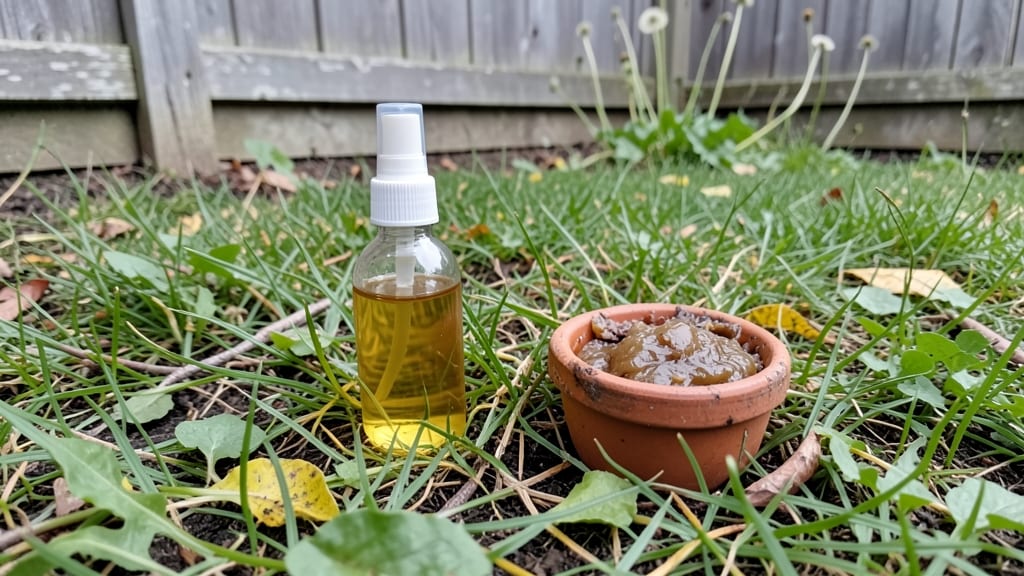
Using neem oil on grass provides natural pest control and disease prevention, targeting weeds, grubs, chinch bugs, and fungal infections while supporting healthier turf growth when applied properly. Apply during dormant seasons for optimal effectiveness.
Neem oil works through its active compound azadirachtin, which disrupts insect feeding and reproduction while inhibiting fungal spores. 🌱 Unlike harsh chemicals, it breaks down quickly in sunlight, making it safer for pets and wildlife once dry.
I've seen it reduce brown patch fungus within weeks—just be patient with the application process since it requires consistent coverage.
For best results, mix 1-2 tablespoons of neem oil per gallon of water with a mild surfactant, applying in early morning or evening when temperatures are below 85°F.
Always wear gloves and avoid windy days to prevent drift. The dormant season (late fall or early spring) gives neem oil time to work without stressing your grass.
💡 In This Article
- How Neem Oil Protects Grass from Pests and Diseases
- Best Practices for Applying Neem Oil to Lawns
How neem oil protects grass from pests and diseases
The real magic behind neem oil's effectiveness lies in its azadirachtin compound, a natural insect growth regulator that disrupts pests at the cellular level. This compound interferes with insects' hormone systems, preventing them from molting properly and ultimately starving them.
For example, chinch bugs—common lawn pests—experience disrupted feeding patterns within 24-48 hours of exposure, while their reproductive cycles get completely halted. 🌿 Unlike synthetic pesticides that kill instantly, azadirachtin works more like a biological time bomb, making it safer for beneficial insects like bees and ladybugs once fully absorbed.
Neem oil also contains salannin and nimbin, compounds that act as fungicides by disrupting fungal cell membranes. These molecules create microscopic holes in fungal spores, preventing them from germinating and spreading diseases like brown patch or dollar spot.
The oil's fatty acids further smother fungal growth by coating spores in a protective film that blocks oxygen and moisture—similar to how raincoats keep you dry. Studies show neem oil can reduce fungal infections by up to 70% when applied preventatively during humid conditions.
What sets neem oil apart from synthetic chemicals is its selective action. While it targets pests and pathogens, it doesn't harm the soil's beneficial microbiome. Unlike broad-spectrum herbicides that kill everything, neem oil preserves earthworms, mycorrhizal fungi, and nitrogen-fixing bacteria that keep your lawn healthy long-term.
This is why organic gardeners prefer it—it breaks down completely within 1-3 days of application, leaving no toxic residues behind. 🌱 The key difference is that synthetic pesticides often create resistant pest populations, whereas neem oil's multi-faceted approach makes resistance extremely rare.
For specific pests, the effects vary by species. Grubs (white larvae) show reduced feeding within 3-5 days after treatment, while aphids and mites experience immediate repellency due to neem oil's strong odor.
The oil's 1% azadirachtin content (found in cold-pressed versions) is particularly effective against soft-bodied insects like aphids, which lack the protective exoskeletons of beetles or grubs. Even at low concentrations (0.5% azadirachtin), neem oil can suppress pest populations by 50-60% over a 2-week period when applied consistently.
The fungicidal properties work best when applied as a preventative measure before fungal spores have a chance to establish. For diseases like brown patch, which thrives in warm, humid conditions, neem oil creates a protective barrier on grass blades that prevents spore attachment.
The oil's amphipathic nature (having both water-attracting and water-repelling properties) allows it to spread evenly across leaf surfaces, unlike many synthetic fungicides that leave uneven coverage. This is why early morning applications work best—the cooler temperatures reduce evaporation, giving the oil more time to adhere properly.
One often-overlooked benefit is neem oil's ability to strengthen grass resilience. The compounds stimulate the plant's natural defense mechanisms, making turf more drought-resistant and better able to recover from stress.
I've noticed in my own backyard that treated lawns bounce back faster from foot traffic and heat stress compared to untreated areas.
The secret lies in how neem oil enhances chlorophyll production, giving grass a deeper green color and thicker growth pattern over time. 💚 This makes it particularly valuable for high-traffic areas where synthetic chemicals might cause more harm than good.