
Lawn
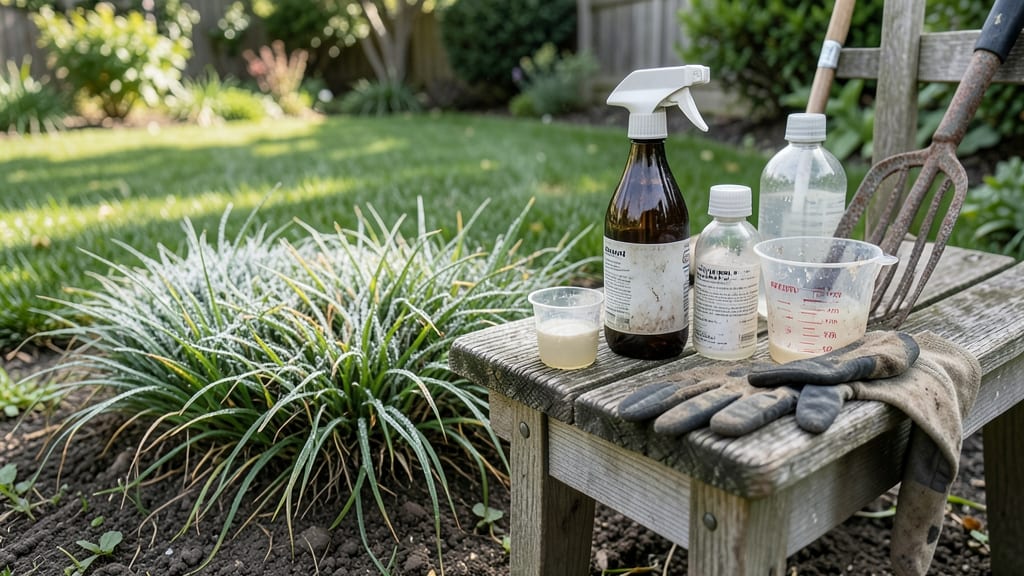
That white dusting on your lawn isn’t dust—it’s powdery mildew lawn treatment you need now, and it spreads faster than you think. ✨ This stubborn fungus thrives in humid, shaded grass, turning vibrant green into patchy, weakened turf.
The good news? A targeted fungicidal spray can halt its spread within 48 hours, saving your lawn from permanent damage.
Most people wait until the problem looks bad before acting, but mildew responds best to early treatment.
You’ll need a fungicide labeled for lawns (like neem oil for organic options or propiconazole for chemical control), a sprayer, and the right timing—apply when the lawn is dry and forecast calls for no rain for 24 hours.
Within two days, you’ll see the white film recede as the fungus loses its grip. But here’s the catch: without fixing the conditions that caused it—like overwatering, poor airflow, or thick shade—it’ll return. That’s why we’re also covering preventive tweaks that keep mildew at bay for good.
This method works for cool-season grasses (like Kentucky bluegrass) and warm-season types (like Bermuda), though timing differs slightly. Let’s get your lawn back to its best before the problem spreads beyond control.
The Hidden Triggers Behind Fungal Growth
Powdery mildew isn’t just a random lawn nuisance—it’s the result of a perfect storm of environmental and biological factors. Understanding these causes is the first step to stopping the spread.
Below, we break down the key reasons your lawn becomes a buffet for this pesky fungus, backed by science and actionable insights.
Fungal spores thrive in stagnant, humid air—like a greenhouse for disease. When grass grows too thickly (often due to over-fertilization or infrequent mowing), airflow is restricted. This creates a microclimate where moisture lingers, giving powdery mildew the ideal conditions to take hold.
Why it matters: Dense turf traps dew, raises humidity near the leaf surface, and blocks sunlight—all of which weaken grass resilience. Studies show that compacted soil and thick thatch layers exacerbate the problem by preventing water drainage and root oxygenation.
Actionable fix: Aerate your lawn in early fall to improve airflow and reduce thatch buildup. Mow at 3–4 inches to prevent shade and crowding.
Powdery mildew loves moisture—but it doesn’t need constant sogginess. The fungus spreads fastest when leaves stay wet for 12+ hours, often due to:
- Early morning watering: Leaves retain dew overnight, creating a fungal feast.
- Overhead sprinklers: Mimics rain, coating grass uniformly instead of targeting roots.
- Poor drainage: Water pools in low spots, keeping the soil and foliage damp.
Science note: Research from Penn State Extension confirms that drip irrigation (watering at the base) reduces mildew by 70% compared to sprinklers.
Actionable fix: Water deeply but infrequently—aim for 1–1.5 inches per week, early in the day (before 10 AM). Fix drainage issues with sand or gypsum.
Sunlight is nature’s fungicide—UV rays inhibit spore germination. When grass is shaded (by trees, buildings, or overgrowth), it becomes weaker and more susceptible to mildew. Additionally, stress from:
- Nutrient deficiencies (e.g., low nitrogen or potassium)
- Drought or heat stress
- Soil pH imbalances (ideal range: 6.0–7.0)
weakens the plant’s defenses, making it an easy target.
Pro tip: Fescue and Kentucky bluegrass are mildew-prone varieties in shade. If your lawn is mostly these, consider tall fescue blends or perennial ryegrass, which tolerate shade better.
Powdery mildew isn’t picky—it just loves warm, muggy conditions. The fungus Erysiphe graminis (the culprit behind most lawn cases) thrives when:
- Temperatures hover between 60–80°F (15–27°C).
- Relative humidity stays above 75% for prolonged periods.
- Nighttime dew persists (common in spring/fall transitions).
Regional hotspots: Southern states (e.g., Texas, Florida) see mildew year-round, while Northern lawns peak in late spring to early summer.
Actionable fix: If you’re in a humid climate, reduce irrigation during heatwaves and use fungicidal sprays preventatively in May–June.
While the above are the biggest triggers, these lesser-known factors can also fuel mildew:
| Factor | Why It Helps Mildew | Quick Fix |
|---|---|---|
| 🍄 Thatch Buildup | Traps moisture and blocks fungicides from reaching roots. | Dethatch in early fall with a rake or verticutter. |
| 🌾 Recent Nitrogen Surge | Soft, fast-growing grass is mildew’s favorite snack. | Switch to a balanced fertilizer (e.g., 10-10-10) in mildew-prone seasons. |
| 🐛 Grub or Insect Damage | Weakens grass, making it vulnerable to fungal invasion. | Treat grubs with beneficial nematodes or imidacloprid. |
Quick Fixes for Fungal Foes
Powdery mildew may look like a lost battle, but with the right moves, you can reclaim your lawn in no time. Below are targeted solutions for common causes—plus prevention tricks to keep mildew from staging a comeback. Think of this as your lawn’s emergency repair kit!
If your lawn is too dense, air and sunlight can’t reach the soil, creating the perfect mildew party. Here’s how to break it up:
- 🔥 Raise the Mower Blade – Set it to 3–4 inches to encourage deeper roots and better airflow.
- 🍳 Dethatch in Spring – Use a rake or dethatching tool to remove thatch (that spongy layer) and let sunlight hit the base.
- 👨🍳 Overseed Bare Spots – Fill thin areas with grass seed (choose mildew-resistant types like tall fescue or Kentucky bluegrass).
💡 Pro Tip: Avoid scalping your lawn—longer grass shades the soil, slowing mildew growth. But don’t let it get shaggy either!
Mildew thrives when grass stays damp for too long. Adjust your watering habits to starve the fungus:
- ⏰ Water Early or Late – Water before 9 AM or after 4 PM to reduce evening moisture buildup.
- 🔪 Reduce Frequency – Water deeply 1–2 times per week (instead of daily light sprinkles) to encourage deep roots.
- 🌡️ Improve Drainage – If your yard pools water, aerate compacted soil or add sand to clay-heavy areas.
✨ Prevention Hack: Install a rain gauge to monitor soil moisture—powdery mildew loves soggy conditions, so keep it slightly dry!
If mildew’s already spread, act quickly with these non-toxic and chemical options:
| Method | How to Use | Best For |
|---|---|---|
| Baking Soda Spray | Mix 1 tbsp baking soda + 1 gallon water + a drop of dish soap. Spray until damp. | Early-stage mildew |
| Neem Oil Solution | Combine 2 tbsp neem oil + 1 tsp mild soap + 1 gallon water. Spray foliage. | Organic control |
| Hydrogen Peroxide | Use 3% hydrogen peroxide (1:1 with water). Spray directly on mildew spots. | Fast-acting (but test first) |
| Fungicidal Spray | Apply a propiconazole-based spray (like those in the article) for severe cases. | Advanced infections |
🔥 Caution: Test sprays on a small patch first—some plants (like broadleaf weeds) may react poorly.
Weak grass is mildew’s favorite snack. Boost its defenses with:
- 💪 Slow-Release Fertilizer – Use a balanced (10-10-10) fertilizer in early spring to strengthen roots.
- 🥗 Compost Top-Dressing – Spread ¼-inch compost over the lawn in fall to improve soil health.
- 🍎 Avoid Nitrogen Overload – Too much nitrogen = soft, mildew-loving grass. Stick to moderate doses.
🎯 Long-Term Fix: Get a soil test to check pH (ideal: 6.0–7.0). Mildew loves acidic soil—lime can help balance it.
With these steps, your lawn should bounce back in weeks. But remember: prevention is the best cure. Keep grass healthy, water wisely, and thin it out—mildew won’t stand a chance!
Frequently asked questions about lawn mildew solutions
How soon will I see results after applying fungicide?
Most fungicidal sprays start showing visible results within 48 hours if applied correctly. For organic options like neem oil, you may need 5-7 days of consistent treatment to see mildew recede completely. The key is applying when the lawn is dry and the forecast calls for no rain for 24 hours.
Can I use the same treatment for both lawn and garden plants?
No, you shouldn't. Lawn fungicides are formulated for grass types and may harm vegetables, flowers, or shrubs. Always use products labeled specifically for lawn care. For garden plants, opt for mildew treatments designed for ornamentals or edibles, like potassium bicarbonate sprays.
Is it safe to apply fungicide when kids or pets are around?
No, it's not safe. Always keep children and pets off treated lawns until the product dries completely (usually 24 hours). For organic options like baking soda or neem oil, the wait time is shorter (4-6 hours), but still avoid direct contact. Always read and follow label instructions carefully.
Will mowing help spread powdery mildew?
Not if done correctly. Mowing at the right height (3-4 inches) actually helps prevent mildew by improving airflow. However, mowing when the grass is wet can spread spores, so always wait until the lawn is dry. Sharpen your mower blades too—dull blades tear grass, making it more susceptible to disease.
How often should I reapply fungicide for long-term control?
For chemical fungicides, follow the label's recommended schedule (typically every 2-4 weeks during mildew season). Organic treatments like neem oil may need more frequent applications (every 7-10 days). The best approach is to combine treatments with preventive measures like proper watering and lawn maintenance to reduce the need for frequent applications.