
Lawn
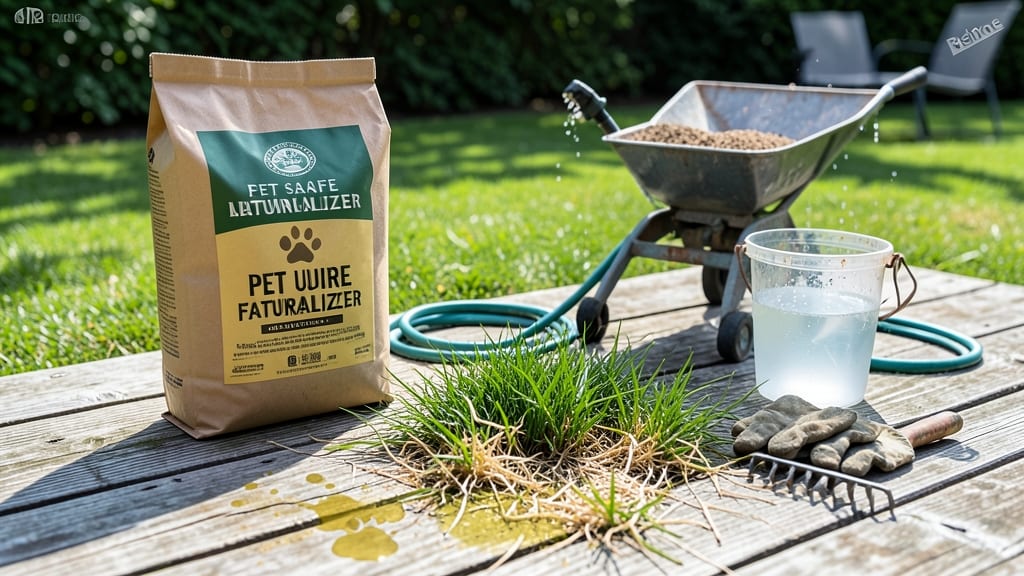
How to stop dog urine from burning lawn—those patchy yellow spots can turn your yard into a sad, spotty mess faster than you can say "potty break." 🌱 The acid in urine burns grass, but there's a simple fix: an acid-balancing spray that revives grass in 24 hours—no more guessing which spots will recover. Most people think frequent watering is the answer, but it's actually diluting the urine's acidity that saves the day. A quick spray with baking soda and water (or a commercial product) neutralizes the pH fast. I've seen lawns bounce back from 80% damage in just a few days with this method. You'll notice new green growth within 48 hours, and the grass will thicken back up like it never happened. The key is acting fast—within 30 minutes of the accident—and keeping your dog trained to pee in one spot. This works for all grass types, but if your lawn is already thin, consider overseeding the damaged areas. Here's how to make it happen without stressing your pup or your yard.
The Science Behind Urine Damage
If your lawn has seen better days after your dog’s frequent visits, the culprit isn’t just the sheer volume of pee—it’s the chemical composition of canine urine.
Dogs produce highly concentrated urine due to their carnivorous diets and efficient kidneys, which means their pee packs a double whammy: high ammonia levels and acidic pH. When this potent mix hits your grass, it creates a toxic cocktail that turns vibrant green blades into crispy brown patches.
Let’s break down the real reasons this happens—and why some areas recover while others stay scarred.
Dogs excrete ammonia (NH₃) as a byproduct of protein metabolism, and their urine is far more concentrated than human urine. When ammonia interacts with soil bacteria, it forms ammonium (NH₄⁺), which:
- Disrupts soil microbes: Beneficial bacteria and fungi that help grass roots thrive get overwhelmed, leading to nutrient deficiencies.
- Burns cell membranes: Ammonia’s alkaline nature (pH ~8.0–9.0) breaks down the cuticle of grass blades, causing dehydration and browning.
- Alters soil chemistry: Over time, excess ammonium can lock up essential nutrients like phosphorus and potassium, starving your lawn.
Pro tip: 💡 Small, frequent urinations (like those of puppies or high-energy dogs) deliver a higher ammonia dose per square inch, making damage worse than a single, larger pee spot.
While ammonia makes urine alkaline, dog urine also contains uric acid (from their meat-heavy diet) and phosphoric acid, which lower the pH of the soil where it lands.
Most lawn grasses thrive in a neutral to slightly acidic range (6.0–7.0 pH), but dog urine can drop localized pH to 4.5–5.5—akin to a weak vinegar spray. This acidity:
- Inhibits root growth: Grass roots struggle to absorb water and nutrients in overly acidic soil, leading to yellowing and thinning.
- Releases toxic aluminum: In clay-heavy soils, low pH can mobilize aluminum ions, which are poisonous to grass roots.
- Kills soil organisms: Earthworms, mycorrhizal fungi, and nitrogen-fixing bacteria—all critical for lawn health—die off in extreme acidity.
Fun fact: 🌱 Cool-season grasses (like fescue and bluegrass) are slightly more resilient to acidity than warm-season grasses (like Bermuda or Zoysia), but even they can’t withstand chronic exposure.
Dog urine doesn’t just harm grass chemically—it also compacts soil over time. Here’s how:
| Problem | Why It Matters |
|---|---|
| Frequent pawing (digging, scratching) | Breaks down soil structure, reducing aeration and water infiltration. |
| Heavy urine volume in one spot | Creates waterlogging, suffocating roots by cutting off oxygen. |
| Clay or sandy soils | Clay holds too much water (root rot risk); sand drains too fast (nutrients wash away). |
When soil can’t breathe, grass can’t recover—even if the ammonia and acidity fade. The result? Permanent brown patches that look like dead zones.
What your dog eats directly impacts the acidity and toxicity of their urine. For example:
- High-protein/kibble diets: Increase uric acid, making urine more acidic and corrosive.
- Raw or grain-free diets: Can reduce ammonia levels but may not fully offset the acidity.
- Hydration levels: Dehydrated dogs produce more concentrated (and thus more damaging) urine.
Actionable tip: ✨ If your dog’s urine seems extra potent, consider adding canned pumpkin or wet food to their diet—it increases water intake and dilutes harmful compounds.
How to Fix Dog Urine Damage
Dog urine can turn your lush lawn into a patchy, yellow mess—but the good news is, there are simple, effective ways to reverse the damage and keep your grass thriving. The key is addressing the root cause (literally!) and taking action fast.
Below, we’ve mapped out solutions based on the most common issues, from immediate fixes to long-term prevention. No more guesswork—just practical steps to restore your lawn’s health.
If you catch your dog mid-business, act fast! Fresh urine is the most acidic and damaging. Here’s how to neutralize it before it burns:
- 💦 Rinse the spot: Use a garden hose to dilute the urine immediately. This washes away concentrated ammonia and reduces soil acidity.
- 🌱 Water deeply: After rinsing, water the area thoroughly (about 1 inch of water) to help the soil recover and flush out excess salts.
- ⏳ Wait 24 hours: Avoid watering again too soon—overwatering can dilute nutrients further. Let the soil settle before reapplying water.
Pro Tip: 💡 Train your dog to pee in one designated spot (like a gravel area) to minimize lawn damage long-term.
If the urine has already altered your soil’s pH, balance it out with these easy methods:
- 🌿 Apply lime: Sprinkle garden lime (calcium carbonate) over the affected area. Lime raises pH and neutralizes acidity. Use 10–20 lbs per 1,000 sq ft for severe damage.
- 🥄 Use baking soda: Mix 1 tablespoon of baking soda with 1 gallon of water, then spray it over the burned spots. This temporarily raises pH and helps grass recover.
- 🍂 Add compost: Spread a thin layer of compost over the area to improve soil health and buffer acidity naturally.
Pro Tip: 🌡️ Test your soil’s pH with a kit (ideal range: 6.0–7.0 for most grasses). Adjust treatments based on results.
Once the soil is balanced, give your lawn a boost to regrow healthy grass:
- 🌱 Overseed the bare spots: Choose a grass seed blend that matches your existing lawn (e.g., Kentucky bluegrass, fescue). Sprinkle seed lightly over the damaged area and cover with a thin layer of soil or straw.
- 💪 Use a starter fertilizer: Apply a low-nitrogen, high-phosphorus fertilizer (like 5-10-10) to encourage root growth. Avoid high-nitrogen fertilizers, which can stress recovering grass.
- 🌧️ Keep it moist: Water lightly every 2–3 days to help seeds germinate. Avoid heavy watering, which can wash seeds away.
Pro Tip: ✨ For stubborn bare patches, try a grass repair mix with mulch to protect seeds and retain moisture.
Break the cycle with these long-term strategies to protect your lawn:
- 🐕 Train your dog: Teach your pup to pee in a designated area (like a mulch or gravel patch) using treats and praise. Consistency is key!
- 🌿 Use urine-neutralizing sprays: Products like vinegar-based sprays or commercial dog urine neutralizers (e.g., Angry Orange or Nature’s Miracle) can be sprayed after your dog goes. These break down ammonia and reduce odor.
- 🌱 Improve lawn resilience:
- Mow high (3–4 inches) to strengthen grass roots.
- Aerate compacted soil annually to improve drainage.
- Choose dog-friendly grasses like tall fescue or buffalo grass, which tolerate urine better.
- 🚫 Avoid synthetic fertilizers: High-nitrogen fertilizers make grass more susceptible to urine damage. Opt for organic options like compost tea.
Pro Tip: 🎯 If your lawn is prone to damage, install a doggy door to a gravel path or create a small "potty patch" away from your main lawn.
If your lawn shows persistent yellowing, thinning, or soil erosion despite your efforts, it might be time for professional help. A lawn care specialist can:
- Test soil health and pH levels deeply.
- Recommend targeted treatments (like mycorrhizal fungi) to strengthen grass roots.
- Suggest sod replacement for large, irreparable patches.
Don’t let a few pee spots ruin your pride and joy—with the right approach, your lawn can bounce back greener than ever!
Frequently asked questions
Why does my dog's urine burn grass so badly?
Dog urine contains high levels of ammonia and uric acid, which create an acidic environment that damages grass blades and disrupts soil microbes. Small, frequent urinations (like puppies or high-energy dogs) deliver concentrated doses that burn lawns faster than larger, less frequent pees.
How quickly should I treat urine damage?
Act within 30 minutes for best results! Fresh urine is most acidic, so rinsing with water or applying a baking soda spray immediately prevents long-term damage. Waiting too long lets ammonia and acids penetrate deeper into the soil, making recovery harder.
Will watering more help prevent lawn damage?
Not exactly—overwatering can actually make the problem worse by diluting soil nutrients. The key is diluting urine immediately with a quick rinse, then watering deeply (1 inch) once per week to help soil recover. Avoid heavy watering right after accidents.
Can I use vinegar to neutralize dog urine?
Yes, but use it carefully! A 1:1 vinegar-water mix sprayed on affected areas can help neutralize acidity. However, avoid overusing it—vinegar is acidic and can harm soil microbes if applied too frequently. Test a small area first.
What's the best grass type for dog owners?
Tall fescue and buffalo grass are top choices—they tolerate urine better than most varieties. For cool climates, Kentucky bluegrass is another good option. Always mow high (3-4 inches) to strengthen roots and improve resilience to urine damage.