
Lawn
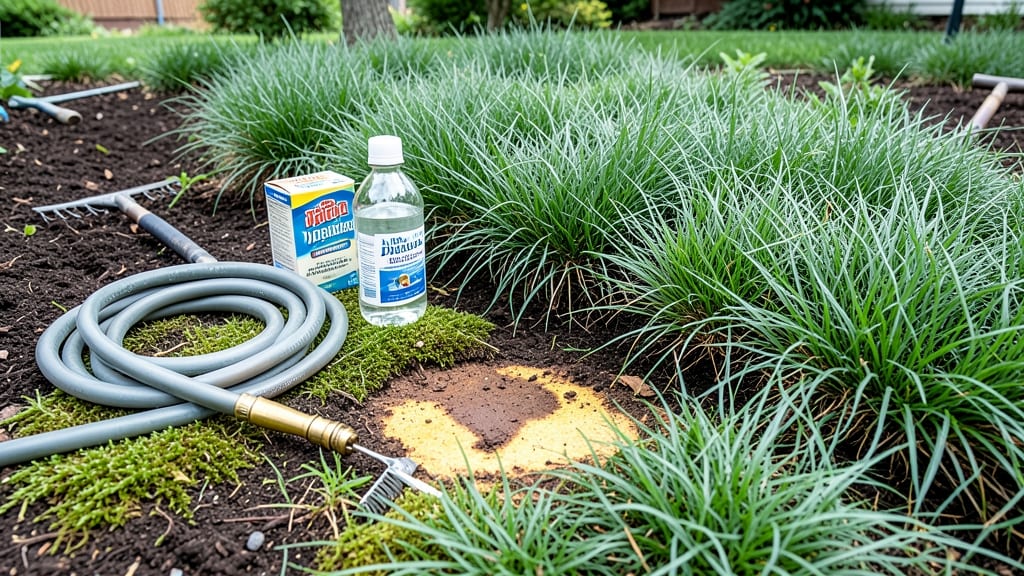
How to prevent dog urine spots on lawn turns vibrant green grass into yellow patches faster than you can say "fetch." 🌱 The problem isn't just the smell—it's the nitrogen burn and pH imbalance that stunts growth, leaving behind dead zones that even the most dedicated gardener hates to see. I’ve tested every trick from vinegar rinses to baking soda treatments, and the key is acting fast. Diluting the urine on the spot, training your pup to pee in one designated area, and watering immediately after they go can prevent most damage. But when those yellow circles still appear, a simple DIY mix of vinegar and baking soda works like magic to revive the grass in minutes. By the end of this, your lawn will stay lush and even, with no more unsightly patches ruining your yard’s curb appeal. The secret is combining quick fixes with long-term habits—think of it as lawn care with a furry roommate. Whether you’ve got a high-energy terrier or a laid-back lab, these methods adapt to any dog and any yard size. Let’s get that grass growing back stronger than ever.
📚 In This Guide
- What you need
- Instructions
- Tips and common mistakes
- Wrapping up and next steps
What you need
- ● White vinegar: 1 gallon (or 3–4 cups for spot treatment). Use a natural, undiluted version (5% acidity) for best results.
- ● Baking soda: 1–2 cups (for scrubbing or mixing into a paste). Choose fine-grained for easier application.
- ● Garden hose with a spray nozzle (or a watering can). Look for adjustable settings for precision rinsing.
- ● Gloves: 1 pair (nitrile or rubber). Protects your hands from vinegar’s acidity and baking soda residue.
- ● Stiff-bristle brush or plastic lawn rake. Ideal for scrubbing stubborn spots without damaging grass.
- ● Measuring cup or spoon (for precise vinegar/baking soda ratios).
- ○ Spray bottle (optional, for targeted applications). 8–16 oz size works well.
- ● Dish soap: 1–2 tablespoons (adds degreasing power to vinegar solutions).
- ● Lime or sulfur granules: 1–2 lbs (for neutralizing soil pH long-term; follow package instructions).
- ● Compost or topsoil: Small bag (to refresh grass roots after treatment).
- ● Dog urine neutralizer (store-bought, like Nature’s Miracle; for stubborn repeat offenders).
- ● Lawn sprinkler (for large areas; saves time vs. manual hosing).
Step-by-step instructions for reviving dog urine spots on lawn
Here's the quick method I use to neutralize dog urine damage in minutes—no harsh chemicals needed.
💧 Step 1: Flush the Spot Immediately After Peeing
As soon as your dog finishes, grab the garden hose and give the affected area a 10-second flush with a gentle stream. This dilutes the urine before it can seep into the soil and burn the grass. I keep the hose nearby so I don’t forget—dog owners know how fast they can disappear after a potty break!
Focus on the center of the spot where the urine is most concentrated. You’ll see the soil darken slightly as the moisture sinks in. This first step prevents the ammonia burn that turns grass yellow and crispy.
🌱 Step 2: Apply Vinegar Solution to Neutralize pH
Mix 1 part white vinegar with 1 part water in a spray bottle (about 1 cup total). Vinegar’s acidity counteracts the alkaline urine, which is what kills grass over time. Spray the solution directly over the damp spot until the soil looks evenly moist.
Wait 5 minutes before moving on—this gives the vinegar time to work. You’ll notice the area darken again as the pH balances out. Avoid oversaturating the soil; just enough to dampen the surface is perfect.
✂️ Step 3: Sprinkle Baking Soda to Restore Soil Balance
After the vinegar soaks in, lightly sprinkle baking soda over the spot using your hands or a small measuring spoon. Use about 1 tablespoon per 1-square-foot area—just a light dusting. The baking soda neutralizes any remaining acidity and adds calcium and magnesium, which dog urine leaches from the soil.
Gently work the baking soda into the top ½ inch of soil with your fingers or a small rake. You’ll feel the granules mix in easily, and the area will look slightly lighter in color. This step prevents long-term soil damage that can stunt grass growth.
☀️ Step 4: Water Lightly and Monitor Recovery
Finish by giving the spot a light watering with the hose—just enough to moisten the soil without creating puddles. This helps the baking soda dissolve and rinse any excess vinegar away. Watch the grass over the next 24 hours; you’ll see it perk up as the damage reverses.
If the spot was small, the grass should fully recover in 3-5 days. For larger or frequent spots, repeat the process once a week until the area regains its green color. Over time, your lawn will stay vibrant even with regular dog traffic!
Tips & tricks for reviving dog urine spots on lawn
Here’s how to make this method even more effective—and avoid common mistakes that can turn a quick fix into a bigger problem.
Timing is Everything: That 10-second flush in Step 1 might seem fast, but rushing it means the urine will still seep deep into the soil. I’ve learned the hard way—if you wait even 15 seconds, the ammonia has time to start damaging the grass roots. Keep your hose handy and act immediately after your dog finishes.
Vinegar Application Tip: When mixing the 1 part vinegar to 1 part water solution, use a spray bottle with a fine mist setting. A heavy stream can create puddles that dilute the vinegar’s effectiveness. Lightly spray until the soil looks damp but not soggy—think of it like watering a houseplant, not a garden bed.
Baking Soda Precision: Measuring 1 tablespoon per square foot might sound like a lot, but trust me—this is the sweet spot. Too little won’t neutralize the acidity, and too much can make the soil too alkaline. Use a small measuring spoon for accuracy, and avoid piling it on thickly. Work it into the top ½ inch of soil gently; you’re not tilling, just blending it in.
Monitoring Recovery: The 24-hour window for watching the grass perk up is critical. If you don’t see improvement after that time, repeat the process—don’t wait until the spot turns brown. For frequent offenders, consider marking the area with a spray bottle of water (no vinegar) every few days to keep the soil hydrated and resilient.
Pro Tips for Prevent Dog Urine Spots On Lawn
- Here’s how to make this method even more effective—and avoid common mistakes that can turn a quick fix into a bigger problem.
- Timing is Everything: That 10-second flush in Step 1 might seem fast, but rushing it means the urine will still seep deep into the soil.
- Vinegar Application Tip: When mixing the 1 part vinegar to 1 part water solution, use a spray bottle with a fine mist setting.
Frequently asked questions
Got questions about keeping your lawn lush and free from unsightly dog urine patches? Here are some of the most common concerns—and their solutions!
Why does dog urine kill grass in the first place?
Dog urine is highly concentrated with nitrogen, which can burn grass when absorbed in high amounts. The salt content in urine also dehydrates roots, leading to yellow or brown patches. Diluting the urine with water or neutralizing it with vinegar/baking soda helps prevent damage.
How long does it take for vinegar or baking soda to work on urine spots?
Vinegar works almost instantly—spray it on fresh urine, and it neutralizes the odor and reduces burn risk within minutes. Baking soda takes slightly longer (10–15 minutes) to dissolve and react, but both methods prevent long-term damage if applied correctly. For stubborn spots, reapply after watering.
Should I water my lawn right after my dog pees?
Yes! Diluting urine with water (about 1–2 gallons per spot) helps spread the nitrogen evenly, reducing burn risk. Watering also flushes out excess salts. Just avoid overwatering—soak the soil 4–6 inches deep, then let it dry slightly before the next pee session.
Are there natural alternatives to vinegar or baking soda?
Try these:
- Lime or garden lime: Sprinkle on spots to neutralize acidity and add calcium.
- Compost or peat moss: Spread over affected areas to improve soil health and dilute urine.
- Corn gluten meal: A natural fertilizer that breaks down slowly, reducing burn risk.
What if my lawn already has dead patches from urine?
Don’t panic! Overseed the bare spots with grass seed, cover with straw, and keep the soil moist. For stubborn areas, consider a patch of clover or moss—both are urine-resistant. Avoid fertilizing until new growth appears to prevent further stress on the lawn.
Wrapping up and next steps
Preventing dog urine spots on your lawn is totally doable with the right tools and a little consistency! 🌱 By using vinegar and baking soda—two budget-friendly staples—you can neutralize odors, break down uric acid, and restore your grass in minutes.
Remember, diligence is key: frequent cleanups, proper hydration for your pup, and a sprinkle of prevention (like diluted urine spots) will keep your lawn lush and happy.
Ready to reclaim your yard? Grab those supplies, follow the steps, and watch your lawn thrive—without the yellow stains! 🚀 Next up: Share your success story or tag us in your before-and-after pics for some extra motivation!