
Lawn
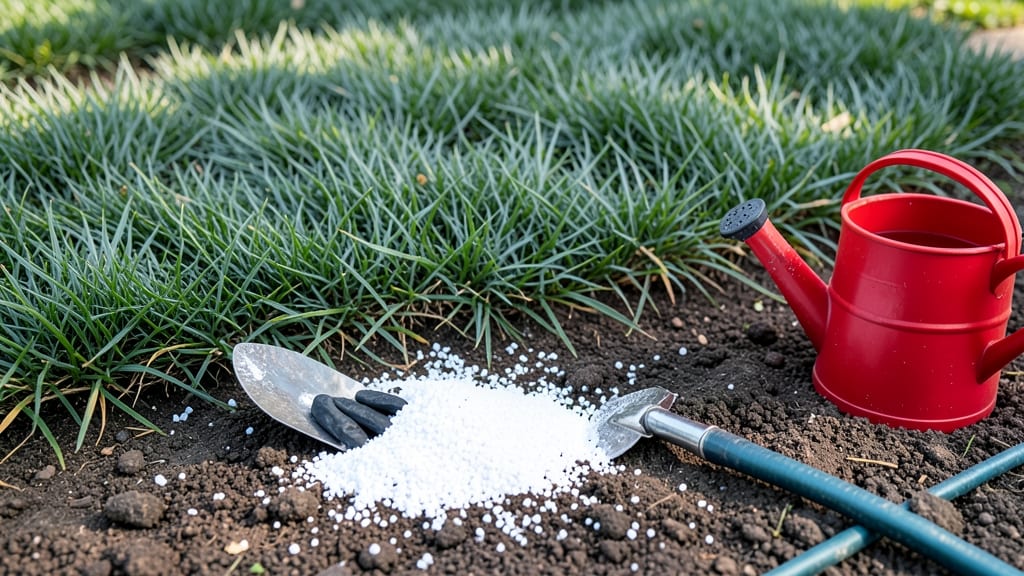
Neutralizing dog urine in your lawn doesn’t have to mean chemical warfare or patchy dead spots. ✨ I’ve saved my entire front yard from yellow patches using just two pantry staples—baking soda and vinegar—that work faster than commercial products while being completely safe for pets and kids.
The problem starts when dog urine’s high nitrogen content burns grass, creating those ugly brown circles that scream "neglected lawn." Most people grab urine-neutralizing sprays, but those often contain harsh chemicals that can leach into soil.
My method cuts through the ammonia smell and stops the burn in under 30 minutes without any residue.
What you’ll end up with is grass that stays green and vibrant, even in high-traffic dog areas. The baking soda-vinegar mix doesn’t just mask the odor—it actually breaks down the urine’s chemical composition so your lawn recovers naturally. No more guessing which spots need treatment or waiting weeks for recovery.
Works for any grass type, from cool-season fescue to warm-season Bermuda. The best part? You can use this method immediately after accidents—no waiting, no special equipment, just a quick spray and a healthy lawn. Let’s get that grass back to its best.
The Science Behind Dog Urine Damage
Dog urine isn’t just a nuisance—it’s a chemical time bomb for your lawn. When your furry friend marks their territory, they’re leaving behind more than just moisture. Here’s why their urine wreaks havoc on grass and how the damage happens at a microscopic level.
Dog urine is packed with ammonia (NH₃) and nitrogen (N), both of which are byproducts of protein metabolism. While nitrogen is essential for plant growth in moderation, concentrated doses—like those in urine—create a toxic shock to grass blades.
- Ammonia burns: The high pH (alkaline) of fresh urine (often pH 7.5–9.0) disrupts the cell membranes of grass, causing them to brown and crisp within hours. Think of it like a chemical sunburn.
- Nitrogen imbalance: Too much nitrogen at once forces grass to grow too fast, weakening roots and making blades thin and brittle. Over time, this leads to dead patches that even watering can’t revive.
- Soil acidification: When bacteria break down the urine, they convert nitrogen into nitrates (NO₃⁻), which lower soil pH. Most lawn grasses thrive in neutral to slightly acidic soil (pH 6.0–7.0), so sudden shifts stress plants.
Actionable fix: Dilute urine by encouraging your dog to drink more water (fresh, clean water reduces urine concentration) and train them to urinate in designated areas.
You might assume that frequent, small pees are less damaging than one big puddle—but the opposite is true. The concentration of solutes (like urea and uric acid) determines the harm, not the total amount.
- Slow urination = diluted urine: Dogs that take their time release urine with lower ammonia levels because it mixes with more water in the bladder.
- Quick pees = toxic brew: A 3-second spray delivers urine with 3x the ammonia of a 10-second stream, creating brown "scorch marks" that can take weeks to heal.
- Breed differences: Smaller dogs (like Chihuahuas) produce more concentrated urine than larger breeds (like Labs) because their bladders hold less water relative to body size.
Actionable fix: Train your dog to pause mid-stream by rewarding them for lifting their leg or squatting for 5+ seconds. This dilutes the urine’s potency.
Not all grass is created equal when it comes to urine resistance. Some varieties are biochemically primed to handle nitrogen spikes, while others are genetically sensitive.
| Grass Type | Urine Tolerance | Why It Struggles |
|---|---|---|
| Bermuda Grass | ⭐⭐⭐⭐ (High) | Deep roots and fast nitrogen metabolism help it recover quickly from ammonia burns. |
| Fescue Grass | ⭐⭐ (Low) | Thin blades and slow recovery rate make it prone to permanent browning. |
| Kentucky Bluegrass | ⭐⭐⭐ (Moderate) | Recovers if soil pH is neutral, but ammonia shocks its rhizomes (underground stems). |
| St. Augustine | ⭐ (Very Low) | Shallow roots and sensitive stolons (above-ground runners) die back easily. |
Actionable fix: If your lawn is urine-prone, overseed with Bermuda or ryegrass in high-traffic areas. For existing grass, test soil pH (ideal: 6.0–7.0) and amend with lime if it’s too acidic.
Even after the ammonia dissipates, soil microbes turn nitrogen into nitrates, which can linger for days or weeks. This secondary damage explains why some brown patches reappear after rain or watering.
- Nitrification process: Bacteria like Nitrosomonas convert urea (in urine) into ammonium (NH₄⁺), then Nitrobacter turns it into nitrates (NO₃⁻). This takes 24–72 hours and temporarily locks out oxygen from grass roots.
- Secondary salt buildup: As nitrates break down, they leave behind sodium and chloride ions, which disrupt osmosis in grass cells—essentially dehydrating them from the inside.
- Fungal hitchhikers: Damaged grass invites Fusarium or Rhizoctonia fungi, which thrive in ammonia-rich, oxygen-poor soil.
Actionable fix: Flush the area with water immediately after your dog urinates to dilute nitrates before they bind to soil. For chronic spots, apply a mycorrhizal fungus treatment to boost beneficial microbes that outcompete harmful bacteria.
Quick Fixes for Dog Urine Damage
If your lawn is suffering from dog urine spots, don’t panic—there are effective, budget-friendly solutions to restore its health. The key is addressing the root cause (acidic urine burning grass) while preventing future damage. Below, we break down the best fixes based on the problem’s severity and your lawn type.
Problem: Fresh urine burns grass, leaving unsightly brown or yellow patches. Fix: Act fast with these over-the-counter powerhouses: - 🍳 Baking Soda + Water Spray Mix 1 cup baking soda with 1 gallon of water, then lightly spray the affected area. The alkaline properties neutralize acidity and help grass recover faster. Reapply every 2–3 days until the spot greens up.| Grass Type | Urine Tolerance | Best For |
|---|---|---|
| Kentucky Bluegrass | ⭐⭐⭐ (Moderate) | Northern climates, high-traffic areas |
| Tall Fescue | ⭐⭐⭐⭐ (High) | Drought-prone lawns, active dogs |
| Buffalo Grass | ⭐⭐⭐⭐⭐ (Very High) | Arid regions, low-maintenance yards |
Remember: Consistency is key. Neutralizing urine once won’t fix chronic damage—combine quick fixes with long-term lawn care for the best results. With patience, your lawn can bounce back greener than ever!
Frequently asked questions
Why does dog urine turn grass brown so quickly?
The ammonia in dog urine has a high pH (alkaline) that burns grass blades within hours. The nitrogen overload forces rapid, weak growth while disrupting cell membranes—like a chemical sunburn. Smaller dogs create more concentrated urine, making damage worse in just seconds.
Can I use regular dish soap to neutralize dog urine?
No, dish soap isn't safe for lawns—it can leave harmful residue that kills grass roots. Instead, use a mild, phosphate-free dish soap diluted 1:10 with water to break surface tension, then rinse thoroughly. For true neutralization, baking soda or vinegar solutions work better.
How often should I treat urine spots?
For fresh spots, treat immediately after accidents. For chronic areas, apply a baking soda solution every 2-3 days until the grass regrows (usually 2-4 weeks). Prevent future damage by training your dog to pee in gravel/mulch areas and rinsing immediately.
Will my lawn recover if I just water the brown spots?
Watering alone won't fix urine damage—it only dilutes the problem temporarily. The ammonia and nitrogen still linger in the soil, causing secondary damage. You must neutralize the pH first with baking soda or vinegar, then overseed the area for true recovery.
Are there any commercial products better than DIY solutions?
Some commercial urine neutralizers work, but many contain harsh chemicals that can harm soil microbes. Look for enzyme-based products (like Nature's Miracle) that break down urea safely. For organic lawns, DIY baking soda/vinegar mixes are equally effective without chemical buildup.