
Pests
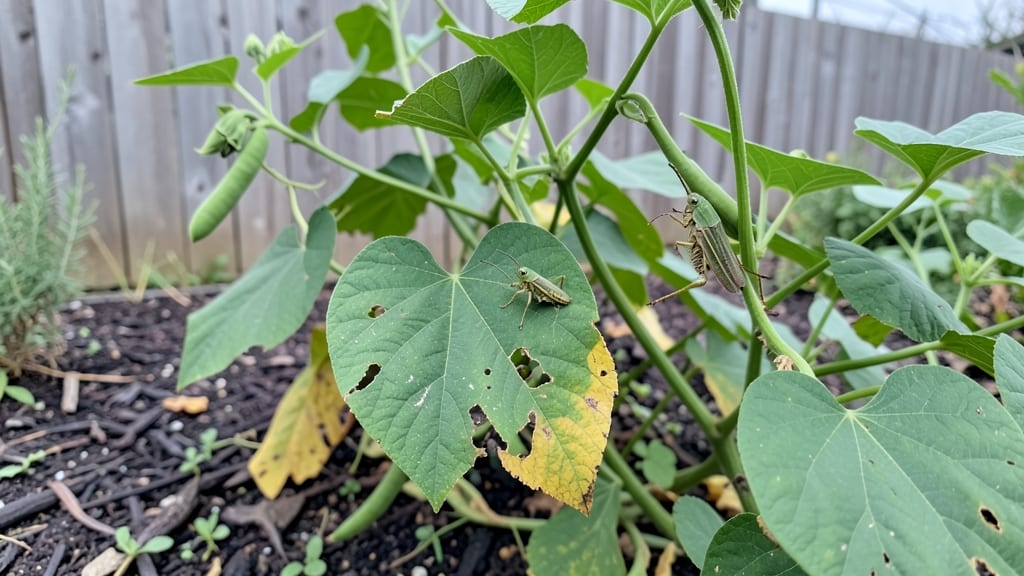
Grasshoppers can strip a garden bare in days, but I’ve found a few natural barriers that cut their numbers fast—some even work within 24 hours. The key is stopping them before they jump onto your plants, and these methods do exactly that without harsh chemicals.
My worst outbreak happened last summer when my tomato plants looked like lace after a week of these striped invaders. That’s when I discovered the power of simple, strategic defenses.
First, focus on physical barriers like fine netting or row covers—lightweight but strong enough to block grasshoppers while letting sunlight and water through.
Add neem oil sprays (mixed with dish soap) to deter them from landing, and plant tall sunflowers or marigolds around the perimeter to lure them away from your veggies. These tactics work best when combined, creating a multi-layered shield that confuses their navigation skills. The results?
Fewer chewed leaves and more time enjoying your garden instead of battling pests.
Within a day or two, you’ll notice fewer hoppers on your plants, and after a week, the population should drop significantly if you’re consistent. The sunflowers act as a decoy, while the neem oil disrupts their feeding patterns.
This approach keeps your garden thriving without relying on chemical sprays that harm beneficial insects. Plus, it’s a method that scales whether you’re dealing with a small backyard plot or a larger vegetable patch.
For persistent outbreaks, add beneficial nematodes or bird-friendly habitats like a shallow water source to attract natural predators. Grasshoppers are a seasonal nuisance, but these strategies make them manageable year after year.
The best part? Your garden stays lush, your plants stay healthy, and you avoid the heartbreak of watching hard work get devoured overnight.
Root Causes Behind Grasshopper Infestations
Grasshoppers may seem like a sudden nuisance, but their presence is almost always tied to specific environmental and ecological factors. Understanding these triggers is key to preventing future outbreaks. Here’s why these pests show up in your yard—and how to address the underlying issues.
###
🌱 Overgrown or Monoculture Grass
Grasshoppers thrive in areas with dense, uniform vegetation, particularly cool-season grasses like Kentucky bluegrass or fescue. Why? These monocultures provide an all-you-can-eat buffet with minimal competition. Grasshoppers prefer lush, tender shoots over hardy, diverse plantings because:
- Lack of biodiversity: Fewer plant types mean fewer natural predators (like birds, spiders, or parasitic wasps) to keep grasshopper populations in check.
- Excess nitrogen: Over-fertilized lawns produce soft, nutrient-rich grass that grasshoppers adore. A single application of high-nitrogen fertilizer can trigger a feeding frenzy.
- Drought stress: Paradoxically, grasshoppers love stressed grass. When lawns are watered inconsistently, plants become weaker, making them easier targets.
Actionable fix: Introduce clover or native wildflowers (like milkweed or black-eyed Susans) to break up monocultures. Aim for 30% diversity in your lawn—this disrupts grasshopper feeding patterns and attracts predators.
###
🌞 Warm, Dry Weather Patterns
Grasshoppers are cold-blooded insects, meaning their activity levels spike when temperatures rise. Here’s how climate plays a role:
| Factor | Why It Matters |
|---|---|
| 🌡️ Extended heatwaves (above 80°F/27°C) | Grasshoppers enter a hyper-feeding phase to store energy for reproduction. Eggs laid in warm soil hatch faster, leading to explosive population growth. |
| 💧 Drought conditions | Reduced water availability forces grasshoppers to seek out the juiciest plants—often your lawn. Dry soil also hardens egg beds, making them harder for predators to dig up. |
| 🌬️ Low wind speeds | Calm weather allows grasshoppers to swarm and disperse without being blown away. High winds, conversely, can thin out populations naturally. |
Actionable fix: If your region is prone to drought, install a drip irrigation system to maintain even moisture. Avoid watering late in the day—wet grass at night creates ideal breeding conditions.
###
🌿 Agricultural and Landscaping Practices
Grasshoppers don’t just invade random lawns—they’re often drawn by human activity. Common culprits include:
- Excessive tilling: Disturbing soil aerates egg beds, causing dormant grasshopper eggs to hatch prematurely.
- Pesticide use: While you might target ants or beetles, broad-spectrum pesticides can kill grasshopper predators (like ground beetles), leaving more food for survivors.
- New construction or grading: Exposing bare soil during landscaping creates perfect egg-laying sites. Grasshoppers prefer loose, sandy soil to deposit their eggs.
Actionable fix: If you’re landscaping, avoid tilling in late summer/early fall (peak egg-laying season). Use targeted, organic pesticides (like neem oil) instead of chemical sprays to protect beneficial insects.
###
🐦 Lack of Natural Predators
In a healthy ecosystem, grasshoppers are kept in balance by dozens of predators. When these allies disappear, grasshopper numbers skyrocket. Key predators include:
- Birds (e.g., robins, sparrows, meadowlarks): A single bird can eat 50–100 grasshoppers per day.
- Spiders: Wolf spiders and jumping spiders are grasshopper hunters.
- Parasitic wasps: Lay eggs inside grasshopper eggs, killing them before they hatch.
- Toads and frogs: Ambush predators that snack on juvenile hoppers.
Why they vanish:
- Use of neonicotinoid pesticides (common in lawn treatments) disrupts predator food chains.
- Loss of habitat diversity (e.g., removing brush piles or leaving grass too short).
- Light pollution at night disorients moths and beetles, reducing food for birds.
Actionable fix: Create a predator-friendly zone in your yard:
- Install a birdbath or small pond to attract amphibians.
- Leave leaf litter or mulch piles in shady areas for spiders and insects.
- Avoid mowing below 3 inches to protect ground-dwelling predators.
Quick Fixes That Actually Work
Now that you know why grasshoppers are crashing your yard party 🎉, let’s roll up our sleeves and tackle them head-on. The good news? You don’t need harsh chemicals to win this battle—just smart, natural strategies tailored to your problem.
Below, we’ve matched the most common causes of grasshopper invasions to practical, fast-acting solutions (some even work in under 24 hours!). Plus, we’ll throw in prevention tips so these hoppers don’t throw a repeat performance next season.
🌱 Overgrown or Weedy Lawns? Trim & Trap Them
Cause: Grasshoppers love tall grass and weeds—they hide, lay eggs, and feast undetected. Fix:
- 🔪 Mow high (but not too high): Keep your lawn at 3–4 inches tall. This disrupts their egg-laying spots (they prefer bare soil or short grass) and exposes them to predators like birds.
- 🌿 Remove weeds & debris: Use a rake or dethatcher to clear leaf litter, clippings, and weeds from garden beds. Grasshoppers use these as hiding spots—eliminate the hotel, and they’ll check out.
- 🕷️ Deploy sticky traps (fast action): Place yellow sticky traps or soapy water traps (mix 1 tbsp dish soap + 1 gallon water) near infested areas. They’ll get stuck or drowned within hours.
Prevention Tip: 💡 Mulch strategically—thick mulch (2–3 inches) smothers eggs and deters hoppers from jumping in. Just avoid piles near your home!
🍃 Too Many Eggs in the Soil? Smother & Starve Them
Cause: Grasshopper eggs overwinter in the soil, hatching when temps rise. If your yard was a buffet last year, they’re already plotting their return. Fix:
- 🌡️ Solarize the soil (free & effective): On a sunny, 90°F+ day, cover egg-laden soil with clear plastic sheeting (secured with bricks or soil). Trap heat for 4–6 weeks—this cooks the eggs (no chemicals needed!).
- 🐛 Encourage natural predators: Attract spiders, toads, and birds by planting native wildflowers (like milkweed or sunflowers) and leaving some bare soil for hunting grounds.
- 🍎 Use diatomaceous earth (DE): Sprinkle food-grade DE lightly over garden beds. It’s a non-toxic powder that dehydrates grasshoppers’ exoskeletons. Reapply after rain.
Pro Tip: ✨ Time it right! Treat soil in early spring (March–April) before eggs hatch, or late summer after adults die off.
🌿 Young Plants Getting Munched? Protect & Repel
Cause: Grasshoppers skeletonize leaves, leaving your veggies and flowers looking like Swiss cheese. 🧀😬 Fix:
- 🛡️ Physical barriers (instant shield):
- Row covers: Drape floating row covers (lightweight fabric) over seedlings. Secure edges with soil or bricks—hoppers can’t jump through.
- Copper tape: Wrap copper mesh around young trees/shrubs—grasshoppers dislike the feel and will avoid it.
- 🌶️ Spicy repellents (they hate it!):
- Garlic/chili spray: Blend 1 garlic bulb + 1 tbsp cayenne pepper + 1 quart water. Spray on plants (reapply every 3–5 days).
- Neem oil: Mix 1 tbsp neem oil + 1 tsp dish soap + 1 quart water. Spray foliage—disrupts their feeding and mating.
- 🕯️ Night lights = fewer hoppers: Grasshoppers are nocturnal. Install motion-activated lights near gardens—they’ll avoid well-lit areas.
Prevention Tip: 💪 Plant smart! Grasshoppers despise strong scents. Interplant rosemary, mint, or lavender near vulnerable crops—they’ll take a detour.
🏡 They’re Invading Your Home? Seal & Confuse Them
Cause: If they’re hopping indoors (yes, really!), they’re likely drawn to light, moisture, or shelter near foundations. Fix:
- 🚪 Seal entry points: Check for gaps in doors, windows, and vents. Use caulk or steel wool to block cracks—they can’t squeeze through tiny spaces.
- 💨 Fans = hopper repellent: Place a box fan facing outward near doorways. The airflow disorients them and keeps them outside.
- 🌙 Turn off porch lights at night: Grasshoppers are attracted to light. Switch to yellow bug lights or motion sensors instead.
Emergency Fix: 🔥 Vacuum them up! If a few sneak in, suction them into a vacuum (empty outside immediately). Avoid pesticides indoors—they’re toxic to pets/kids.
🌍 Long-Term Prevention: Make Your Yard Uninviting
Once you’ve kicked them out, keep them out with these low-maintenance habits:
- 🌱 Rotate crops in your garden—grasshoppers target the same plants repeatedly.
- 🐦 Install a birdhouse—1 bird = 1,000 grasshoppers eaten per year (seriously!).
- 💦 Reduce standing water—they need moisture to thrive. Fix leaks and keep gutters clean.
- 🌿 Plant diverse ground covers—thick, healthy grass and clover outcompete weeds, removing their favorite hiding spots.
Final Thought: Grasshoppers are tough, but you’re tougher! 💪 Combine one immediate fix (like traps or solarization) with long-term prevention, and you’ll enjoy a hopper-free zone in no time. Which strategy will you try first? Drop a comment below—we’d love to hear how it goes!
Frequently asked questions about grasshopper control
How quickly do natural grasshopper repellents work?
Most natural methods like neem oil or garlic sprays show results within 24-48 hours, but for full effectiveness, apply them consistently for 5-7 days. Physical barriers like row covers work immediately, while soil treatments (such as diatomaceous earth) take 3-5 days to fully dehydrate existing hoppers. The key is combining methods for faster results.
Are grasshoppers harmful to my garden beyond eating plants?
While they primarily damage plants by chewing leaves, grasshoppers can also spread diseases between plants if they feed on infected foliage. Additionally, their egg-laying habits can compact soil, reducing water absorption. The real risk comes from large populations that can defoliate entire crops in days. Focus on early intervention to prevent outbreaks.
Can I use vinegar to kill grasshoppers?
Yes, but it's not the most effective standalone solution. A 1:1 vinegar and water spray can deter grasshoppers when applied directly to plants, but it won't kill them outright. For better results, combine it with dish soap (1 tsp per gallon) to break their waxy outer layer. Reapply every 2-3 days during outbreaks. Vinegar works best as part of a multi-pronged approach.
What's the best time of day to treat grasshoppers?
Early morning (before 8 AM) or late evening (after 6 PM) are ideal because grasshoppers are most active during these cooler periods. Treating them then gives sprays and traps maximum effectiveness. Avoid midday applications when they're less active and temperatures are high. This timing also reduces harm to beneficial insects.
How do I know if grasshoppers are laying eggs in my yard?
Look for small (1/4-inch) slits in the soil, often near grassy areas or garden beds. These egg pods contain 15-25 eggs each and are typically found 1-2 inches deep. If you see these in late summer/fall, treat the area immediately with solarization or beneficial nematodes to prevent next year's infestation. Early detection is key to stopping future outbreaks.