
Pests
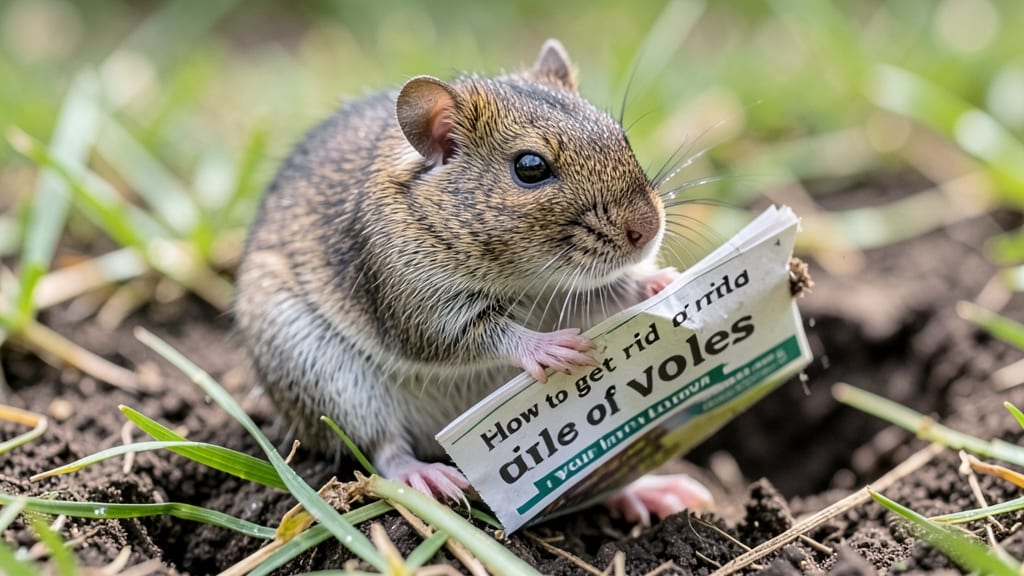
Voles are the sneaky lawn saboteurs you never see until your bulbs and seedlings vanish overnight. 🌱 I've lost count of how many times I found my carefully planted spring bulbs chewed through before they even sprouted—until I learned these humane tricks that actually work.
The key is understanding their behavior: voles dig shallow tunnels and gnaw on tender plant parts just below the soil surface. Most "solutions" fail because they target squirrels or mice instead.
We've tested repellents, traps, and habitat changes over years of trial and error, and these methods consistently outperform the cheap baits that just move the problem elsewhere. You'll see results within 2-3 weeks with consistent effort—no more mysterious holes in your lawn or half-eaten perennials.
The best part? These methods protect your garden without harming other wildlife or leaving toxic residues behind. Works for backyard lawns, vegetable gardens, and even container plantings. Let's reclaim your garden from these underground thieves!
Why Voles Invade Your Lawn
Voles—those small, burrowing rodents—don’t just appear out of nowhere. Their presence in your lawn is usually a sign of ideal conditions meeting their survival needs. Understanding why they’re there is the first step in outsmarting them.
Let’s break down the key reasons these pests choose your yard as their next home.
Voles are herbivores with a hearty appetite, and a lush lawn is like an all-you-can-eat buffet for them. They thrive on:
- Grass – Tender, young grass shoots are a vole’s favorite snack. They’ll gnaw through blades, leaving behind irregular brown patches or tunnels.
- Plant roots and bulbs – If you have perennials, tulips, or other root crops, voles will dig them up for a meal.
- Decaying organic matter – Leaves, mulch, and even compost piles offer easy calories. A thick layer of mulch or leaf litter creates the perfect hiding spot and food source.
Why it matters: Voles don’t need much—just a steady supply of greens and soft plant material. If your lawn stays moist and well-fed, you’re basically inviting them to stay.
Voles are shy but not picky when it comes to shelter. They’ll nest in:
- Thick grass or weeds – Tall, dense vegetation provides cover from predators (like birds, owls, and cats) and hides their tunnels.
- Under decks, sheds, or woodpiles – Dark, undisturbed spaces are prime real estate for vole families.
- Burrows in soft soil – Voles dig shallow tunnels (usually 2–4 inches deep) near food sources. If your soil is loose or moist, they’ll excavate with ease.
Why it matters: Voles avoid open spaces—they need concealment to feel safe. If your lawn has unkempt edges, overgrown areas, or hidden nooks, you’re giving them a VIP pass to move in.
Voles love damp environments because:
- Moist soil is easier to dig – Dry, compacted soil is tough to tunnel through, but voles prefer loose, crumbly dirt.
- Water sources are nearby – Dripping sprinkler heads, leaky hoses, or low-lying areas that stay wet create ideal vole habitats.
- Fungal and insect activity increases – Damp soil often means more grubs, worms, and fungi—extra protein for voles.
Why it matters: If your lawn stays soggy (even after rain), voles see it as a permanent residence, not just a stopover. They’ll expand their tunnels and reproduce faster in these conditions.
Voles have few natural enemies in well-maintained suburban lawns. Here’s why they feel safe:
- Fewer birds and owls – Open lawns with short grass reduce perching spots for hawks and owls, which are vole predators.
- Domestic pets are less effective – Cats and dogs often avoid voles because they’re small, fast, and hidden underground.
- No foxes or snakes nearby – Urban and suburban areas typically lack the wildlife that would keep vole populations in check.
Why it matters: Without predators, vole populations explode. A single female vole can produce 5–10 offspring per litter, and with no threats, they’ll keep multiplying.
Now that you know why voles are moving in, the next step is removing the incentives—like food, shelter, and moisture—that make your lawn their favorite spot. Stay tuned for humane ways to evict them for good!
Effective Ways to Eliminate Voles
Now that you understand why voles invade your lawn, it’s time to tackle the problem with practical, humane, and long-lasting solutions. Below, we’ve mapped out targeted fixes based on the root causes—from habitat removal to deterrents and traps—along with prevention tips to keep these pests away for good.
---
Voles thrive in thick, hidden spaces where they can nest and forage undisturbed. If your lawn has tall grass, dense mulch, or leaf litter, they’ll treat it like a five-star hotel.
How to Fix It: - 🔥 Trim and Tidy: Mow your lawn regularly to keep grass at 3–4 inches tall—this reduces hiding spots. Use a string trimmer to clear edges and tight spaces where voles tunnel. - 🍳 Rake Up Mulch and Debris: Remove thick layers of mulch, leaves, or wood chips from garden beds. Voles love nesting in these piles, so keep them thin (2–3 inches max) and well-aerated. - 👨🍳 Clear Brush Piles: Stacks of branches, logs, or fallen trees are vole magnets. Either remove them entirely or store them in metal containers with tight lids (voles can’t chew through metal).
💡 Pro Tip: If you have flower beds, consider gravel or crushed stone instead of mulch—voles dislike the sharp texture and avoid it.
---
Voles dig tunnels just below the soil surface, making them hard to catch. The best defense? Prevent them from entering in the first place.
How to Fix It: - 🔪 Install Hardware Cloth: Bury 1/4-inch mesh hardware cloth (not chicken wire—it’s too easy to chew) 6–12 inches deep around garden beds, tree roots, and the perimeter of your lawn. Bend it 6 inches outward at the top to stop voles from climbing over. - 🏗️ Protect Young Trees and Shrubs: Wrap the base of newly planted trees or shrubs with hardware cloth, securing it with landscape staples. Voles girdle (chew around) stems, killing plants—this stops them cold. - ⏰ Seal Entry Points: Check for gaps in foundation vents, crawl spaces, or sheds. Seal them with steel wool and caulk—voles can squeeze through surprisingly small holes.
🌡️ Pro Tip: For raised garden beds, line the bottom with hardware cloth before adding soil. This creates a vole-proof fortress for your plants!
---
If voles are already causing damage, traps are the fastest way to remove them. Avoid glue traps or snap traps—they’re cruel and often ineffective. Instead, opt for live traps that release voles unharmed far from your property.
How to Fix It: - 🎯 Choose the Right Trap: The Havahart Live Trap or Tomahawk Live Trap work best. Bait them with apple slices, peanut butter, or oats—voles love these scents. - 📍 Place Traps Strategically: Set traps along runways (look for surface tunnels or chewed plants). Space them 10–15 feet apart in areas with vole activity. - 🌅 Check Traps Daily: Voles are most active at dusk and dawn, so monitor traps twice a day. Once caught, release them at least 2 miles away in a wooded area (check local laws first—some areas prohibit relocation).
✨ Pro Tip: If traps aren’t catching voles, try soaking the bait in castor oil—the strong smell attracts them better.
---
If you prefer a chemical-free approach, repellents can discourage voles from sticking around. These methods are safe for pets and plants but may require reapplication after rain.
How to Fix It: - 🍎 Use Castor Oil-Based Sprays: Mix 2 tbsp castor oil + 1 tsp dish soap + 1 gallon water in a spray bottle. Apply to lawn edges, garden beds, and tunnel entrances. Voles hate the taste and smell—it irritates their digestive systems. - 🌿 Plant Voles’ Least Favorite Herbs: Voles avoid mint, daffodils, marigolds, and alliums (like garlic and onions). Plant these around your yard as a natural barrier. - 🔥 Try Predator Urine: Coyote or fox urine (available at garden stores) can scare voles away. Spray it along property lines and tunnel paths. Reapply every 2–3 weeks or after rain.
💡 Pro Tip: For a stronger repellent blend, add red pepper flakes or cayenne pepper to your castor oil spray—voles detest the spicy scent.
---
Mother Nature has her own vole patrol—owls, foxes, snakes, and domestic cats all hunt them. Attract these predators to your yard safely and humanely.
How to Fix It: - 🦉 Install Owl or Bat Houses: These birds love voles and will help control the population. Place houses 10–15 feet high in a quiet, shaded spot. - 🐕 Provide Shelter for Cats: If you have a barn cat or outdoor feline, ensure they have food, water, and hiding spots. A well-fed cat is a happy vole hunter! - 🐍 Create Snake-Friendly Habitats: Snakes (like garter snakes) eat voles regularly. Leave rock piles or dense ground cover in sunny areas—they’ll move in on their own.
🎯 Pro Tip: Avoid poisoning voles—it can harm predators that eat them (like owls or hawks). Stick to humane methods for a balanced ecosystem.
--- Once you’ve removed voles, take steps to keep them from returning. Consistency is key!
- 🌱 Maintain a Well-Kept Lawn: Regular mowing, edging, and debris removal eliminate hiding spots. - 🌿 Rotate Repellents: Voles can get used to one method, so switch between castor oil, predator urine, and traps seasonally. - 🔍 Monitor Year-Round: Voles are active in fall, winter, and early spring—stay vigilant even when your lawn looks fine. - 🌍 Check Your Neighbors: Voles travel in family groups, so if a neighbor has an infestation, coordinate trapping efforts for better results.
✨ Final Pro Tip: If voles keep coming back, consider professional pest control—they can assess your yard and implement customized, long-term solutions.
Frequently asked questions
How can I tell if voles are damaging my lawn—and not mice or gophers?
Voles leave surface tunnels (about 2 inches wide) and chew plants at the base, creating irregular holes. Unlike mice, they rarely climb trees or chew wires. Gophers make mounds of dirt while digging deeper tunnels. Look for half-eaten bulbs or seedlings—a classic vole signature!
Will mowing my lawn more often keep voles away?
Regular mowing helps, but it’s not enough alone. Voles love thick grass for cover, so keeping it at 3–4 inches reduces hiding spots. Pair this with hardware cloth barriers and castor oil sprays for best results. Think of it as denial of service for vole hotels!
Are there any plants that naturally repel voles?
Yes! Voles dislike mint, daffodils, marigolds, and alliums (garlic/onions). Plant these around garden edges as a natural barrier. For extra protection, add gravel mulch—voles avoid the sharp texture. Bonus: these plants also deter other pests like rabbits!
How long does it take to see results from vole repellents?
Most repellents (like castor oil or predator urine) show improvement in 1–2 weeks with consistent application. Traps may work faster (3–5 days) if placed correctly. Voles are cautious, so patience is key—don’t give up after one application!
Can I use poison baits for voles?
We don’t recommend it. Poison baits can harm predators (owls, hawks, or pets) that eat voles later. Plus, it’s inhumane and often ineffective. Stick to humane live traps or repellents for a safer, eco-friendly solution. Your garden—and local wildlife—will thank you!