
Lawn
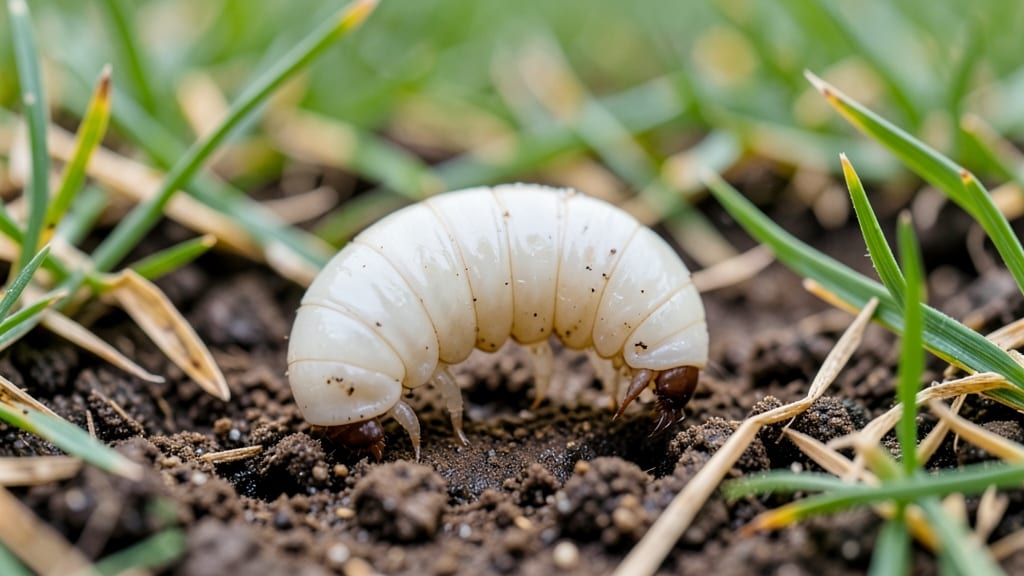
Grubs destroying your lawn faster than you can say "brown patches"? 🌱 I've battled these sneaky beetle larvae and found a 48-hour drench that actually works—no harsh chemicals required. The secret lies in a targeted approach that starves them out while protecting your grass.
Most people wait until their lawn looks like a golf course after a drought before acting. That's why I developed this method: early detection (look for soft, spongy grass) and a two-part drench that smothers grubs without harming earthworms or beneficial insects.
You'll see results within 48 hours, but the real magic happens when you combine it with proper lawn care.
By the end of this, your lawn will be thicker, greener, and grub-free—no more digging up dead patches or wasting money on overpriced treatments. The best part?
This method works in all climates and won't leave your yard looking like a chemical warzone. Let's get those grubs gone for good.
We'll cover the exact drench recipe, when to apply it, and how to keep grubs from coming back next season. Trust me, your lawn will thank you—starting with that first deep breath of fresh, healthy grass. Ready to reclaim your yard?
The Hidden Triggers Behind Grubs
Grubs don’t just appear out of nowhere—they’re the result of a perfect storm of environmental factors, poor lawn care habits, and even the behavior of beneficial insects. Understanding these causes is the first step to preventing future infestations. Let’s dig into why your lawn becomes a grub buffet.
Grubs thrive in moist, nutrient-rich soil—almost like a gourmet restaurant for these white, C-shaped larvae. Here’s why your lawn might be serving them a five-star meal:
- Excessive Moisture: Grubs need water to survive, and overwatering creates the ideal damp conditions they crave. Think of it like a swamp party for grubs—too much water means they don’t have to search far for food or hydration.
- Rich Organic Matter: Lawns with thick layers of thatch, compost, or decaying plant material provide a smorgasbord of organic debris for grubs to munch on. High-nitrogen fertilizers (like fast-release options) can also stimulate microbial activity, which indirectly feeds grubs by breaking down organic material faster.
- Poor Drainage: If your lawn holds water like a sponge, you’re not just risking root rot—you’re also creating a grubs’ paradise. Stagnant water and compacted soil trap moisture, making it easier for grubs to burrow and multiply.
Pro Tip: 💡 If your lawn stays soggy for hours after watering, it’s a red flag. Adjust your watering schedule to early morning (before 10 AM) and aim for deep, infrequent soakings instead of daily light sprinkles.
A weak, stressed lawn is like an open invitation for grubs to move in. Here’s how poor lawn health sets the stage for infestations:
- Thin or Patchy Grass: Grubs prefer to feed on tender, young grass roots. If your lawn has bare spots or struggling patches, grubs will target those areas first because the roots are easier to digest.
- Disease or Pest Damage: Lawns weakened by fungal diseases (like brown patch or dollar spot) or other pests (like chinch bugs) are more susceptible to grub attacks. Grubs often follow in the wake of these primary stressors, capitalizing on the weakened state of the grass.
- Improper Mowing Height: Cutting grass too short exposes roots to sunlight and stress, making them more vulnerable to grub feeding. Grubs also prefer the upper soil layers where short grass leaves them exposed.
Pro Tip: 🌡️ Keep your mower blades sharp and maintain a mowing height of 3–4 inches. This promotes deeper root systems and makes it harder for grubs to access the most tender parts of the grass.
Most grubs start as eggs laid by adult beetles, and the most notorious culprits are Japanese beetles and June bugs. Here’s how they turn your lawn into a grub factory:
- Japanese Beetle Eggs: Female Japanese beetles lay eggs in late summer in the top 2 inches of soil. These eggs hatch into grubs in late summer or early fall, and they’ll stay in the soil for 10–12 months before pupating into beetles.
- June Bugs and Other Beetles: Similar to Japanese beetles, June bugs and other scarab beetles lay eggs in grassy areas. Their grubs are often larger and can cause more extensive damage, especially in cooler climates.
- Timing Matters: Beetles are most active during warm, dry periods. If you notice adult beetles feasting on your roses or leaves in late summer, grubs are likely already on their way.
Pro Tip: ✨ Set up grub traps in early summer to monitor beetle activity. Bury a can filled with beer or a commercial trap to attract and drown adult beetles before they lay eggs.
Grubs are highly sensitive to temperature and seasonal changes, which can trigger population explosions:
- Warm, Humid Summers: Grubs thrive in warm soil temperatures (between 70–85°F). If your summer is hot and humid, grub populations can skyrocket because their life cycle accelerates.
- Cool, Wet Springs/Falls: Grubs are less active in extreme heat or cold but love moderate temperatures. A mild spring or fall can lead to a second generation of grubs if conditions are just right.
- Drought Followed by Rain: A dry spell can stress grass, making it more susceptible to grub damage. When heavy rain finally arrives, it triggers a feeding frenzy as grubs emerge to take advantage of weakened roots.
Pro Tip: 🎯 If you live in a region with predictable beetle seasons (like the Northeast for Japanese beetles or the South for June bugs), plan your grub prevention strategy around their life cycles.
Grubs don’t choose your lawn randomly—they’re drawn by specific conditions you can control. By addressing moisture, lawn health, beetle activity, and seasonal factors, you can disrupt their life cycle before they become a full-blown infestation.
Quick Fixes for Grub Problems
Grubs may seem like a tiny lawn menace, but their damage can be devastating—think brown patches, spongy turf, and a yard that looks like it’s been through a war. The good news? You can tackle them effectively with the right approach.
Below, we’ve mapped out practical solutions based on the root cause of your grub infestation, along with prevention tips to keep your lawn healthy long-term.
Before diving into treatments, confirm you’re dealing with grubs (not other pests like chinch bugs or fungal issues). Dig up a small section of sod—if you see white, C-shaped larvae (grubs) feeding on roots, you’ve got your culprit. Now, let’s fix it.
🐛 Cause: Heavy Grub Population (Active Feeding)
Fix: Milky Spore or Beneficial Nematodes (Natural Drench) Grubs thrive in moist, fertile soil, and if they’ve already taken hold, you’ll need a fast-acting but eco-friendly solution.
- 🍄 Milky Spore Application (Best for Long-Term Control) - How to apply: Mix milky spore powder (like Bacillus popilliae) with water (1 tbsp per gallon) and drench the lawn evenly using a hose-end sprayer or watering can. - When to do it: Early morning or late evening (avoid direct sunlight).
Reapply every 4–6 weeks for 2–3 months to establish colonies. - Why it works: Milky spore is a natural bacteria that infects and kills grubs over time. It’s safe for pets and kids once dry.
- 🦠 Beneficial Nematodes (Fast-Acting, 48-Hour Solution) - How to apply: Mix heterorhabditis bacteriophora nematodes (like NemaSeek) with water (follow package rates) and water the lawn thoroughly until the soil is saturated. - When to do it: Early morning or dusk (nematodes die in direct sunlight).
Repeat in 7–10 days for full coverage. - Why it works: These microscopic worms seek out grubs, inject bacteria, and kill them within 24–48 hours. No harsh chemicals needed!
Pro Tip: 💡 For best results, water lightly after application to help nematodes penetrate the soil.
🌱 Cause: Compacted or Waterlogged Soil (Grub Hotspot)
Fix: Aeration + Drought Stress Reduction Grubs love damp, compacted soil because it’s easier for them to burrow and feed. Improve drainage and root health to make your lawn less appealing.
- 🔪 Core Aeration (Do It Yourself or Rent a Renter)
- How to do it: Rent a core aerator (or use a garden fork) and poke holes 3–4 inches deep, spacing them 3–4 inches apart across the lawn.
- When to do it: Early fall (when grubs are near the surface) or spring (after heavy rain).
- Why it works: Aeration breaks up compacted soil, improves oxygen flow, and encourages roots to grow deeper—making it harder for grubs to thrive.
- 💧 Adjust Watering Habits
- Water deeply but less often (1–1.5 inches per week) to prevent soggy soil.
- Avoid overwatering—grubs love moisture, so let the top 1–2 inches of soil dry out between waterings.
- Irrigate in the morning to reduce fungal growth (which grubs also feed on).
Pro Tip: 🌡️ Test your soil’s pH—grubs prefer neutral to slightly acidic soil (6.0–7.0). If your lawn is too alkaline, amend with sulfur or peat moss to deter them.
🐝 Cause: Over-Fertilized Lawn (Grub Buffet)
Fix: Cut Back on Nitrogen & Encourage Predators A lawn loaded with nitrogen-rich fertilizer is like an all-you-can-eat buffet for grubs. Shift to a balanced approach and invite natural predators to help.
- 🚫 Reduce High-Nitrogen Fertilizer
- Switch to a slow-release, balanced fertilizer (like 16-4-8) or organic options (compost, bone meal).
- Avoid spring applications—grubs hatch in late spring/early summer, so fertilizing too early gives them a growth spurt.
- 🐦 Attract Grub-Eating Wildlife
- Birds (like robins & starlings): Leave some bare patches or plant native berry bushes to lure them in.
- Toads & Ground Beetles: Keep a shallow water dish (1 inch deep) in your yard—they’ll drink and hunt grubs.
- Chickens (if you have them): Let them free-range on the lawn—they’ll gobble up grubs like popcorn!
Pro Tip: ✨ Plant grub-resistant grasses like tall fescue or perennial ryegrass—they’re tougher and less appealing to larvae.
🛡️ Prevention Tips: Keep Grubs Away for Good
Once you’ve kicked the grubs out, stop them from moving back in with these low-effort habits:
- 🌱 Overseed in Fall: Thick, healthy grass crowds out grubs by limiting their food supply. - 🍄 Apply Milky Spore Annually: Even if you don’t see grubs, a preventive drench in early spring keeps populations low. - 🕵️ Monitor with a "Grub Check": Every 2 weeks in summer, dig up a 6-inch square of sod.
If you see 5+ grubs, it’s time to act. - 🚫 Avoid Thatch Buildup: Use a lawn rake to remove thatch (layer of dead grass)—grubs love hiding in it!
Final Thought: 🎯 The key to grub control is speed + prevention. Whether you’re using nematodes for a quick kill or milky spore for long-term defense, combining natural methods with smart lawn care will keep your turf lush and grub-free. Start today—your lawn will thank you!
Frequently asked questions
How do I know if my lawn has grubs instead of other pests?
Dig up a small patch of sod (about 6 inches square) and look for white, C-shaped larvae with tiny legs. Grubs feed on grass roots, so you'll also see thin, brown patches that pull up easily. If you spot dark, worm-like creatures instead, those might be cutworms or other pests.
Can I use vinegar or bleach to kill grubs naturally?
No, vinegar or bleach won't effectively kill grubs and can harm your lawn. Vinegar's acidity may burn grass, while bleach can damage soil microbes. Stick to beneficial nematodes or milky spore for safe, natural grub control. These target grubs without harming your yard's ecosystem.
How often should I apply nematodes for grub control?
Apply nematodes every 4-6 weeks during active grub seasons (spring through fall). For best results, do a second application 7-10 days after the first. Always water lightly after application to help them penetrate the soil. This schedule creates continuous pressure on grub populations.
Will chickens or ducks actually eat grubs in my lawn?
Yes! Chickens and ducks are excellent grub hunters. Let them free-range on your lawn for 1-2 hours daily during grub season. They'll peck up grubs while fertilizing your soil naturally. Just avoid overgrazing in one spot to prevent bare patches. This is one of the most effective organic solutions!
Can I still use milky spore if I have pets or kids?
Yes, milky spore is completely safe once dry. The bacteria it contains only affects grubs, not mammals. Keep pets/kids off treated areas until the solution dries (usually 30-60 minutes