
Lawn
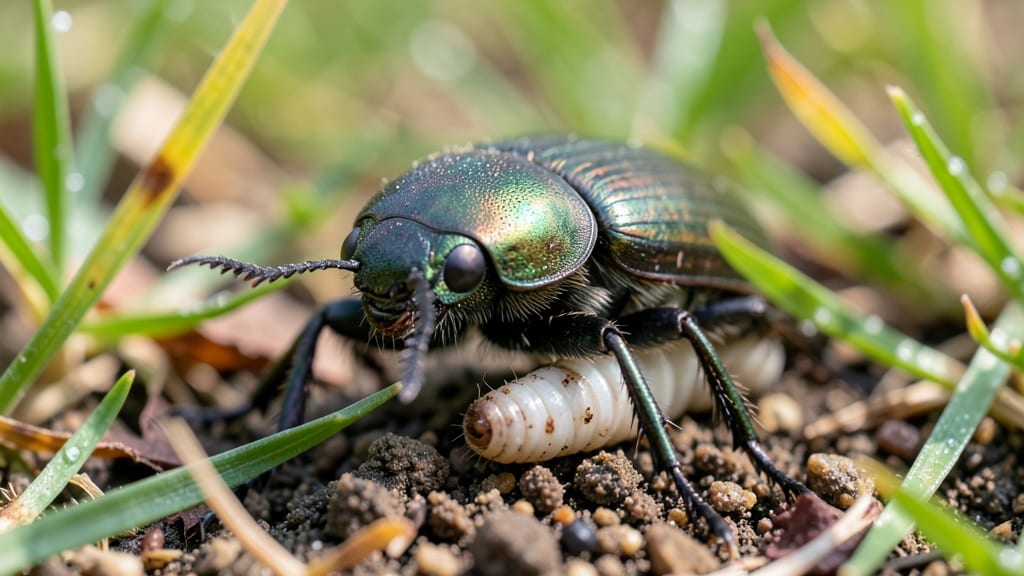
Natural grub control starts with understanding why these white, C-shaped pests turn your lawn into a Swiss cheese of brown patches. 🌱 I’ve battled them for years—first with chemical sprays that did more harm than good, then with organic methods that actually worked.
The key is breaking their life cycle before they chew through your grass roots. Most people reach for pesticides, but the real solution lies in preventive practices like aerating your lawn in early fall (when grubs are most vulnerable) and overseeding with grub-resistant grass varieties.
Add beneficial nematodes or milky spore to your soil—they’re nature’s pest patrol, targeting grubs without harming your kids or pets. By next spring, you’ll see thicker, greener grass that holds up to foot traffic and drought.
The grubs won’t stand a chance against this three-pronged defense: soil health, natural predators, and smart timing. No more patchy lawns, no more chemical guilt—just a yard that stays lush all season long.
This approach works in any climate, from humid Southern lawns to dry Western yards. The secret? Consistency. Once you establish these habits, grub infestations become a thing of the past.
Root Causes of Grub Infestations
Grubs—those C-shaped larvae of beetles—can turn a lush lawn into a patchy, brown mess if left unchecked. But why do they show up in the first place?
Understanding the root causes of grub infestations helps you take proactive, natural steps to prevent them. Let’s break down the science behind these sneaky pests.
---
Grubs thrive in moist, nutrient-rich soil, which is exactly what many lawns provide—especially when overwatered or over-fertilized. Here’s why this creates a grub buffet:
- Excess Moisture 💧: Grubs need water to survive, and soggy soil (from overwatering or poor drainage) keeps them hydrated year-round.
In fact, studies show that grub populations can increase by 30-50% in lawns watered more than 1-1.5 inches per week. - Rich Organic Matter 🍂: Fertilizers (especially nitrogen-heavy ones) and decomposed grass clippings create the perfect food source.
Grubs feed on root systems, and lush, fast-growing grass gives them an endless supply. - Weakened Roots 🌿: Over-fertilizing can stress grass, making roots more vulnerable to grub feeding. Weak roots = easier access for larvae.
Actionable Fix: ✅ Adjust watering to 1 inch per week (including rain). ✅ Use slow-release, organic fertilizers (like compost or worm castings) to avoid nitrogen spikes. ✅ Aerate compacted soil to improve drainage and reduce moisture retention.
---
Grubs don’t appear out of nowhere—they hatch from eggs laid by adult beetles (like Japanese beetles, June bugs, or European chafer beetles). Their lifecycle is tightly linked to seasonal patterns:
| Beetle Type | Active Season | Egg-Laying Peak | Grub Hatch Time | |------------------------|-------------------------|---------------------|---------------------------| | Japanese Beetle | June–August | Late July–August | August–September | | June Bug (May/June Beetle) | May–June | June–July | July–August | | European Chafer | April–June | May–June | June–July |
Why It Matters: - Timing is everything. If you see chewed leaves or flying beetles in late spring/summer, eggs are likely already in the soil. - Grubs take 10–12 months to mature, meaning damage from last year’s eggs may not show until this summer.
Actionable Fix: 🔍 Monitor beetle activity in late spring/early summer—set out a white sheet under a mercury vapor lamp at night to spot attracted beetles. 🌙 Traps (used sparingly) can reduce adult populations, but avoid overuse—some traps attract more beetles than they catch!
---
Grubs love warm, stable environments where they can feed undisturbed. Here’s how soil conditions play a role:
- Temperature Preferences 🌡️: Grubs thrive in 60–80°F soil (common in late summer/early fall). Cooler soils slow their growth, while heat speeds it up. - Compacted or Clay Soil 🏗️: Dense soil traps moisture and heat, creating ideal grub habitats.
It also makes it harder for grass roots to compete with larvae. - Thatched Lawns 🌾: A thick thatch layer (over ½ inch) insulates soil, keeping it warm and moist—perfect for grubs.
Actionable Fix: 🔥 Improve soil aeration with a core aerator in fall or spring. 💧 Test soil pH—grubs prefer slightly acidic to neutral (6.0–7.0 pH). Adjust with lime or sulfur if needed. 🌿 Reduce thatch by verticutting or overseeding with fine fescue (which grows low to the ground).
--- A stressed lawn is an open invitation for grubs. Weak grass can’t outcompete them, leading to brown patches and dead spots. Common stressors include:
- Drought Stress 🌞: Dry spells weaken roots, making them easier targets for grubs. - Disease or Fungal Issues 🍄: Lawns with red thread, brown patch, or dollar spot are more susceptible to grub damage. - Improper Mowing ✂️: Cutting grass too short (below 2.5–3 inches) exposes roots and stresses the plant.
Actionable Fix: 💪 Strengthen grass with overseeding in fall (use tall fescue or Kentucky bluegrass). 🌧️ Deep water infrequently (1–1.5 inches per week) to encourage deep root growth. 🚫 Avoid heavy foot traffic on weakened areas—compaction invites grubs.
--- Believe it or not, grubs love the shade—and trees/shrubs provide the perfect cover. Here’s how they contribute:
- Leaf Litter & Debris 🍂: Fallen leaves and mulch create moist, shaded microclimates where grubs hide and feed. - Root Exudates 🌳: Tree roots release sugars and organic matter into the soil, attracting grubs that then migrate to nearby grass. - Bird & Animal Activity 🐦: Birds and mammals (like skunks or raccoons) dig up grubs, but their disturbed soil can also expose eggs to hatching conditions.
Actionable Fix: 🍃 Rake up leaf litter in fall before it breaks down into mulch. 🌳 Trim branches hanging over lawns to reduce shade and debris. 🐦 Encourage natural predators (like birds) with shallow water sources—but avoid over-fertilizing, which can reduce grub food sources for them.
--- Grub infestations don’t happen overnight—they’re the result of years of ideal conditions (moisture, food, warmth, and weak grass). By addressing these root causes, you can naturally deter grubs before they become a problem.
Pro Tip: 💡 The best time to act is early! Monitor your lawn in late spring/early summer for beetle activity and fall for grub damage signs (sod lifting, chewed roots). Catching it early means fewer chemicals and more natural solutions.
Natural ways to stop grubs
Grubs wreaking havoc on your lawn? The good news is you can tackle them naturally without resorting to harsh chemicals. Below are targeted solutions based on the most common causes—plus prevention tips to keep your grass grub-free long-term.
---
Cause: Grubs thrive in soggy, compacted soil where roots struggle. Solution: - 🍳 Aerate your lawn (rent a core aerator or hire a pro) to break up compacted soil and improve airflow. - 👨🍳 Adjust watering habits—deep, infrequent watering (1–1.5 inches per week) encourages strong roots and deters grubs. - ⏰ Water in the morning to reduce fungal risks and let soil dry faster.
Prevention Tip: 💡 Test your soil’s drainage—if water pools after 6+ hours, amend with compost or sand.
---
Cause: Grubs target stressed grass, especially in shady or nutrient-poor areas. Solution: - 🌱 Overseed bare spots with grub-resistant grass types like tall fescue or Kentucky bluegrass. - 💪 Boost soil health with a compost top-dressing (¼ inch layer) to crowd out grubs and improve root growth. - 🍎 Feed with organic fertilizer (like bone meal or fish emulsion) to make grass tougher and less appealing.
Prevention Tip: ✨ Mow high (3–4 inches) to shade soil and discourage grub activity.
---
Cause: You’ve spotted white grubs (½-inch C-shaped larvae) in your lawn. Solution: - 🔪 Handpick & dispose of grubs—dig up small patches, scoop them into soapy water, and repeat weekly. - 🌡️ Use nematodes (Heterorhabditis bacteriophora): Apply beneficial nematodes (like Nemex or GrubGone) to your lawn in early evening when soil is moist. They infect and kill grubs naturally. - 🎯 Spread milky spore powder (a natural bacteria that targets Japanese beetle grubs) in spring/fall.
Prevention Tip: 🔥 Encourage predators—birds, toads, and ground beetles eat grubs. Leave leaf litter in borders to attract them!
---
Grubs return yearly if conditions stay ideal. Disrupt their life cycle with these habits: - 📊 Rotate organic treatments (nematodes in spring, milky spore in fall). - 🥗 Plant grub-resistant ground covers (clover, creeping thyme) in high-risk areas. - 🌡️ Monitor soil moisture—grubs hate dry conditions.
Let lawns go dormant in droughts.
Pro Tip: 🎯 Fall is critical—grubs hatch in late summer/early fall. Apply nematodes or milky spore before they pupate!
--- Need a quick fix? Start with aeration + nematodes—this combo tackles grubs and improves lawn health. For stubborn infestations, combine handpicking + milky spore for a chemical-free knockout. 🚀
Frequently asked questions
How do I know if my lawn has grubs and not just drought stress?
Look for these key signs: sod lifting (grass peeling back easily), chewed roots (white, C-shaped larvae), or skunk/raccoon digging. Unlike drought, grub damage appears in irregular patches—not uniformly brown. Roll back a small section of turf: if you see white grubs (½-inch), that’s your culprit!
Are beneficial nematodes safe for pets and kids?
Yes! Nematodes (Heterorhabditis bacteriophora) are non-toxic to humans and pets. They target only grubs and break down in soil within days. Apply in early evening when soil is moist (not wet), and avoid areas where pets play immediately after treatment. Always follow product instructions for best results.
Can I use coffee grounds to repel grubs naturally?
Coffee grounds can help short-term by slightly acidifying soil (grubs prefer neutral pH), but they’re not a reliable grub killer. For better results, mix 1 cup of used grounds per 10 sq ft into the top ½ inch of soil and water well. Pair this with aeration or nematodes for long-term control.
What’s the best time of year to apply milky spore?
Apply milky spore in early spring (March–April) or early fall (September–October)—these are the peak times for Japanese beetle grub activity. Avoid applying when soil is frozen or waterlogged. For best results, reapply annually for 2–3 years to establish the bacteria in your soil.
Will chickens or ducks eat grubs in my lawn?
Chickens and ducks are grub magnets—they’ll happily dig up and devour them. Let them free-range on your lawn for 1–2 hours daily in early morning or evening (when grubs are near the surface). For best results, rotate their grazing areas to avoid over-compacting soil. Just avoid letting them scratch up newly seeded areas!