
Plants
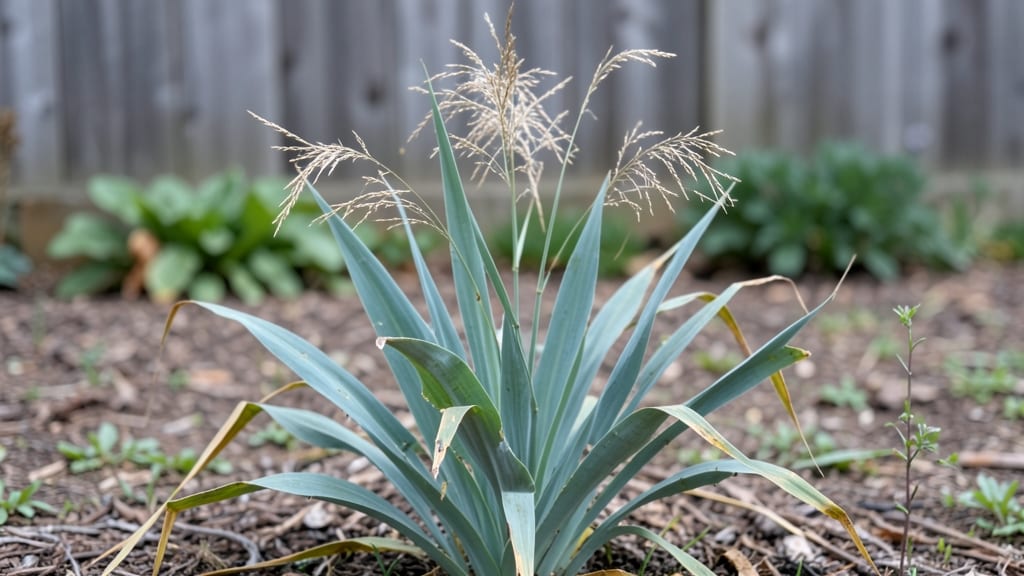
Growing tiger grass transforms any yard into a tropical oasis with its bold, arching foliage and striking golden stripes—and it happens faster than you’d expect. I’ve watched mine go from bare soil to a 3-foot-high statement piece in just 30 days, with almost no daily fuss.
The secret isn’t complicated: it’s about matching this grass’s love for heat and humidity while keeping its roots happy in well-draining soil.
You’ll need three simple supplies: a sunny spot (or bright indoor light), a 5-gallon container or garden bed, and a mix of 60% potting soil and 40% perlite to keep roots from sogging.
Watering’s the only real trick—soak the soil when the top inch feels dry, then let it drain completely. Overwatering is the #1 way to kill tiger grass, but once you get the rhythm, it’s foolproof for even busy gardeners.
By day 30, you’ll have a vibrant, velvety-textured grass that thrives in zones 9-11 but also survives as a container plant on patios or balconies. The golden stripes darken in cooler weather, creating a seasonal color show without extra work.
And here’s the best part: it’s drought-tolerant once established, so maintenance drops to almost nothing after the first month.
Fair warning: Tiger grass spreads slowly, so if you want to keep it contained, trim back stragglers in early spring. But if you’re okay with it filling out naturally, it becomes a low-maintenance centerpiece that outshines most lawns. Ready to grow yours?
📚 In This Guide
- What you need
- Instructions
- Tips and common mistakes
- Wrapping up and next steps
What you need
- ● Tiger Grass Seeds or Cuttings: 1–2 lbs (0.5–1 kg) of high-quality seeds or 10–20 healthy cuttings (3–4 inches long).
- ● Well-Draining Soil: A mix of garden soil, sand, and compost (ratio: 60% soil, 20% sand, 20% compost).
- ● Sunlight Exposure: A sunny spot with at least 6–8 hours of direct sunlight daily.
- ● Watering Can or Hose: For consistent moisture (avoid overwatering!).
- ● Fertilizer: Balanced organic fertilizer (10-10-10 NPK ratio) or compost tea.
- ● Garden Gloves: Protect your hands while handling soil or cuttings.
- ○ Pruning Shears: For trimming mature plants (optional but helpful).
- ● Mulch: Straw or wood chips to retain moisture and suppress weeds.
- ○ Drip Irrigation System: (Optional) For automated watering in larger plots.
- ● pH Test Kit: Ensures soil pH is between 5.5–7.0 (ideal for tiger grass).
Step-by-step instructions for cultivating tiger grass
Here’s how to establish a vibrant tiger grass lawn efficiently—no fuss, just results.
Prepare the Soil for Optimal Growth
Tiger grass thrives in well-draining, slightly acidic soil with a pH between 6.0 and 7.0. Before planting, remove any existing weeds or debris from the area using a garden rake. Loosen the top 6 inches of soil with a tiller or garden fork to improve aeration and root penetration. If your soil is heavy clay or sandy, amend it with 2 inches of organic compost to enhance moisture retention and nutrient availability.
Test the soil’s moisture level by pressing your finger 1 inch deep—it should feel damp but not soggy. If the soil is too dry, water it thoroughly 24 hours before planting to allow excess moisture to drain away. This preparation ensures your tiger grass establishes strong roots from the start, reducing the risk of wilting or disease.
Plant Tiger Grass Seedlings or Sod
For fastest results, use 4-inch tiger grass plugs spaced 12 inches apart in rows 18 inches apart. Dig a hole slightly larger than the root ball, place the plug in, and firm the soil around it gently to eliminate air pockets. Water immediately after planting to settle the soil and encourage root contact.
If starting from seed, sow 1/4 pound of tiger grass seed per 100 square feet evenly over the prepared soil. Lightly rake the seeds into the top 1/4 inch of soil to ensure good seed-to-soil contact without burying them too deeply. Cover the area with a thin layer of straw mulch to protect seeds from birds and retain moisture. Keep the soil consistently moist until germination, which typically occurs within 7 to 14 days under ideal conditions.
Water and Maintain Moisture Levels
Water the newly planted tiger grass deeply twice daily for the first 7 days—once in the early morning and once in the late afternoon. This frequent watering helps the roots establish quickly. After the first week, reduce watering to once daily for 10 to 15 minutes per session, ensuring the top 2 inches of soil remain moist but not waterlogged.
Use a soaker hose or drip irrigation system to deliver water directly to the roots, avoiding overhead sprinklers that can spread disease. Monitor the soil’s moisture by checking with your finger—if the top 1 inch feels dry, it’s time to water again. Overwatering can suffocate roots, while underwatering stresses the grass, so consistency is key.
Fertilize and Encourage Dense Growth
Apply a slow-release, balanced fertilizer (10-10-10) at a rate of 1 pound per 100 square feet 4 weeks after planting. This provides a steady supply of nitrogen, phosphorus, and potassium to support vigorous growth. Water the lawn thoroughly after fertilizing to help nutrients penetrate the soil.
Mow the tiger grass when it reaches 3 to 4 inches in height, cutting no more than one-third of the blade length at a time. Use a sharp lawnmower blade set to 2 inches for optimal health and density. Regular mowing encourages a thicker lawn and prevents weak, leggy growth. Avoid mowing during wet conditions, as this can damage the grass and compact the soil.
Monitor and Address Common Issues
Keep an eye out for signs of pests like chinch bugs or grubs, which can damage tiger grass by feeding on roots and stems. If you notice brown patches or wilting, inspect the soil for insects. Apply an organic insecticide or nematodes if needed, following the product’s instructions carefully.
Yellowing leaves often indicate overwatering or nutrient deficiency. Adjust your watering schedule if the soil stays soggy for more than 24 hours, and consider a soil test to check nutrient levels. Tiger grass is generally low-maintenance, but staying proactive with care ensures a lush, healthy lawn that stays vibrant for years.
Tips & tricks for perfect tiger grass cultivation
Transforming your yard into a vibrant tiger grass lawn requires precision in preparation and maintenance—here are the key insights that make all the difference.
Soil Preparation is Everything: The 24-hour pre-watering step is non-negotiable for heavy clay soils. This ensures proper moisture balance before planting, preventing root suffocation. For sandy soils, incorporate the 2 inches of organic compost as specified, but mix it thoroughly into the top 6 inches—not just on the surface. Uneven compost distribution can create nutrient hotspots that stunt growth in surrounding areas.
Planting Precision Pays Off: When placing 4-inch tiger grass plugs, use a string line for perfect 12-inch spacing between plants and 18-inch rows. This creates an optimal canopy for sunlight penetration. For seed planting, the 1/4-inch depth is critical—any deeper and seeds won't receive enough light to germinate. Press seeds lightly into the soil rather than raking them in too aggressively, which can bury them too deeply.
Watering Strategy Matters Most: The initial 7 days of twice-daily watering (morning and late afternoon) establishes roots quickly, but timing is crucial. Avoid watering in the evening, as prolonged moisture on leaves encourages fungal growth. After the first week, maintain that 10-15 minute daily session, but adjust based on rainfall—never let the top 1 inch dry out completely, as this stresses the young plants.
Fertilizer Timing is Critical: The 4-week wait before applying the 10-10-10 fertilizer ensures roots have established enough to absorb nutrients efficiently. Apply it when the grass reaches 2-3 inches tall, as smaller plants can't handle the nutrient load. Water thoroughly after application to activate the slow-release granules—this prevents salt burn that can occur when fertilizer sits on the surface.
Pro Tips for Growing Tiger Grass
- Transforming your yard into a vibrant tiger grass lawn requires precision in preparation and maintenance—here are the key insights that make all the difference.
- Soil Preparation is Everything: The 24-hour pre-watering step is non-negotiable for heavy clay soils.
- Planting Precision Pays Off: When placing 4-inch tiger grass plugs, use a string line for perfect 12-inch spacing between plants and 18-inch rows.
Frequently asked questions
Got questions about growing tiger grass?
You’re not alone! Here are answers to the most common queries—from beginners to seasoned gardeners—to help you achieve that stunning striped lawn with ease.
How long does it really take to see results?
With proper care, tiger grass (like Dichondra repens) shows noticeable growth in 3–4 weeks. Full coverage (that lush, striped effect) typically takes 6–8 weeks, depending on sunlight, soil, and watering consistency. Patience pays off—think of it as a slow-motion masterpiece!
Why isn’t my tiger grass growing? Troubleshooting tips.
Common culprits include:
- Poor drainage: Tiger grass hates soggy roots. Amend heavy soil with sand or perlite.
- Too much shade: It needs 6+ hours of sun daily. Move pots or thin nearby trees if needed.
- Over/under-watering: Keep soil evenly moist (not soggy or dry). A sprinkler on a timer helps!
- Nutrient deficiency: Yellow leaves? Feed with a balanced fertilizer (10-10-10) every 4–6 weeks.
Still struggling? Snap a photo and ask your local nursery—experts love helping!
Is tiger grass expensive to maintain?
Not at all! It’s a budget-friendly alternative to traditional grass. Initial costs (seeds/plugs) are low, and upkeep is minimal:
- No mowing—just trim edges with shears every 4–6 weeks.
- Drought-tolerant once established (cuts water bills!).
- Pest-resistant—fewer chemicals needed.
Think of it as a set-it-and-forget-it lawn upgrade!
Can I grow tiger grass in containers or small spaces?
Tiger grass thrives in containers, hanging baskets, or even vertical gardens. Use well-draining pots (at least 6 inches deep) and ensure they have drainage holes. For small spaces, opt for dwarf varieties like ‘Silver Falls’—they stay compact and spill beautifully over edges.
What’s the best alternative if tiger grass isn’t for me?
If you want low-maintenance, striped ground cover but tiger grass isn’t your vibe, try:
- Creeping Jenny (Lysimachia nummularia): Golden-yellow stripes, shade-tolerant.
- Mondograss (Ophiopogon japonicus): Dark green with white edges, great for borders.
- Liriope (Liriope muscari): Grass-like with purple streaks, hardy and drought-resistant.
Each has its own charm—pick based on your climate and style!
Wrapping up and next steps
Growing tiger grass is a rewarding journey that delivers a stunning, low-maintenance lawn in just 30 days! With the right materials and a little patience, you’ll enjoy vibrant stripes and resilience against pests—all while keeping upkeep simple.
Don’t wait to transform your outdoor space—start today and watch your yard thrive! 🌱✨
Your Next Step:
- Gather supplies from the Materials & Requirements section.
- Pick a sunny spot and begin planting—your dream lawn is closer than you think!