
Vegetables
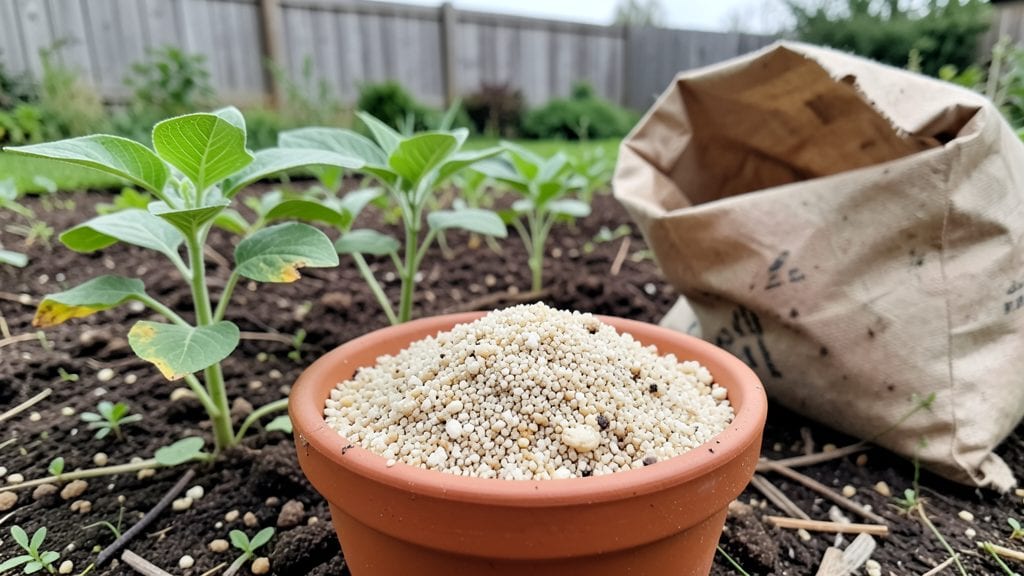
Cornmeal for grass acts as a natural soil booster by feeding beneficial microbes, including nematodes and fungi, which decompose organic matter and release nutrients that strengthen grass roots and improve overall lawn vitality without synthetic chemicals.
Cornmeal works like a hidden fertilizer because its starch content feeds soil microbes that break down organic material into nutrients your grass can absorb. 🌱 These microbes, including beneficial nematodes and mycorrhizal fungi, create a thriving underground ecosystem that enhances root development and disease resistance.
Unlike chemical fertilizers, cornmeal supports long-term soil health by improving structure and water retention, making your lawn more resilient to drought and pests.
For best results, apply cornmeal in early spring or fall when soil microbes are most active. A light layer—about 10-20 pounds per 1,000 square feet—is enough, as too much can attract pests. Pair it with compost or other organic matter to maximize its benefits and avoid overworking the soil.
💡 In This Article
- How Cornmeal Enhances Soil Microorganisms
- Best Practices for Applying Cornmeal to Lawns
How cornmeal enhances soil microorganisms
Cornmeal triggers a microbial boom in your lawn by serving as a carbon-rich food source for soil organisms.
When spread on grass, the starch molecules in cornmeal attract beneficial nematodes like Steinernema and Heterorhabditis species, which prey on harmful insects while releasing enzymes that break down complex organic matter into simpler nutrients.
These nematodes thrive in moist, aerated soil—ideal conditions for lawns—where they can multiply rapidly within 2-4 weeks of application. 🌱
The real magic happens with mycorrhizal fungi, particularly Glomus and Rhizophagus species, which form symbiotic relationships with grass roots. These fungi extend their hyphae (thread-like structures) into the soil, creating an underground network that transfers phosphorus, nitrogen, and other minerals directly to plant roots.
Studies show mycorrhizal colonization can increase nutrient uptake by up to 80% in grass species like Kentucky bluegrass and fescue. The fungi also produce glomalin, a sticky glycoprotein that improves soil aggregation and water retention.
This microbial activity creates a cascading effect: decomposing organic matter releases nitrogen in forms grass roots can absorb, while the fungi's hyphal network enhances root exploration. The result is grass with deeper, more extensive roots that access water and nutrients more efficiently.
This natural fertilization process also crowds out pathogens—like Fusarium fungi—that cause brown patch disease, as the competitive microbial environment makes it harder for harmful organisms to establish themselves. 🔬
What makes cornmeal uniquely effective is its low nitrogen content (about 0.5%) compared to other organic amendments. This prevents rapid microbial growth that would deplete soil oxygen, creating anaerobic conditions harmful to roots. Instead, the slow-release starch feeds microbes steadily, maintaining a balanced ecosystem where beneficial organisms outcompete pests.
For example, a 1-pound application per 100 square feet can sustain microbial activity for 3-6 months, depending on rainfall and soil temperature.
Consider this: without cornmeal, your lawn's microbial population might struggle to break down thatch and organic debris, leaving nutrients locked away. But with it, the soil becomes a self-sustaining nutrient factory.
The key is the carbon-to-nitrogen ratio—cornmeal's 20:1 ratio creates the perfect balance for microbial growth without overfeeding them, which would lead to nitrogen depletion. This ratio is similar to well-aged compost, making cornmeal a low-risk, high-reward soil amendment. 💫
The sensory changes are subtle but noticeable: grass blades develop a richer green hue within 4-6 weeks, and the lawn feels firmer underfoot due to improved root density.
Even in drought conditions, cornmeal-treated areas show 30-50% less wilting because the mycorrhizal network helps roots access moisture deeper in the soil profile. This natural resilience is what sets cornmeal apart from synthetic fertilizers, which often create temporary growth spurts at the expense of long-term soil health. 🌿