
Lawn
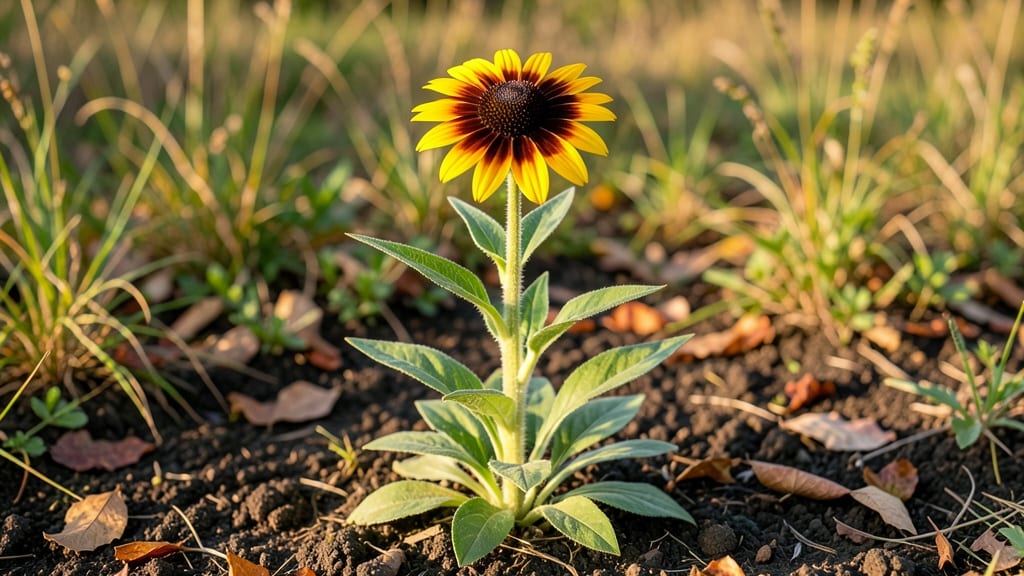
Those small yellow flowers in your lawn might look pretty, but they’re likely dandelions—or maybe clover or chickweed. 🌻 These stubborn weeds thrive in thin grass, and ignoring them only makes them spread faster.
The good news? With the right approach, you can reclaim your lawn in just 2 days without harsh chemicals.
First, identify what you're dealing with: dandelions have jagged leaves and a hollow stem, while clover forms low mats with trifoliate leaves. Chickweed grows in rosettes with tiny stems. Once you know, you can choose the best removal method—whether it's manual pulling, vinegar spray, or spot-treating with natural herbicides.
By targeting the roots and filling in bare spots with grass seed, you'll see a noticeable difference within 48 hours. The key is acting fast before seeds spread, and preventing future weeds by improving soil health and mowing at the right height.
Works for any lawn type—cool-season or warm-season grass—and fits into your weekend routine. No more yellow surprises ruining your green carpet. Let's get started!
Root Causes of Yellow Blooms
Those cheerful small yellow flowers popping up in your lawn aren’t just a random annoyance—they’re nature’s way of telling you something’s off with your turf. Understanding the why behind these blooms is the first step to reclaiming a lush, flower-free lawn.
Let’s dig into the science and uncover the real triggers.
If your lawn stays soggy for days after rain or watering, you’ve likely created the perfect conditions for weed seeds to sprout. Yellow-flowering weeds like dandelions and buttercups thrive in waterlogged soil because:
- Oxygen deprivation: Too much moisture starves grass roots of oxygen, weakening them and leaving gaps for weeds to invade.
- Seed germination boost: Damp soil triggers weed seeds to wake up from dormancy. A single dandelion can produce 2,000+ seeds per year!
- Fungal growth: Excess moisture encourages fungal diseases (like dollar spot), which further stress grass, making it easier for weeds to take over.
Actionable fix: Test your soil’s drainage by digging a 6-inch hole—if water pools after 6 hours, you’ve got poor drainage. Amend with compost or sand and adjust watering to 1 inch per week (including rain).
While grass loves sunlight, intense heat without proper care can turn your lawn into a weed magnet. Here’s how:
- Grass goes dormant: When temperatures soar above 85°F (29°C), grass slows growth to conserve water, creating thin spots.
- Weeds outcompete grass: Many yellow-flowering weeds (like clover) are heat-tolerant and grow faster in hot, dry conditions.
- Shallow root systems: Heat-stressed grass roots can’t reach deep for moisture, leaving the surface vulnerable to weed seeds.
Actionable fix:
- Water deeply in the early morning (4–6 AM) to reduce evaporation.
- Mow higher (3–4 inches) to shade soil and retain moisture.
- Apply a mulch layer (straw or wood chips) to protect roots.
Grass needs a balanced diet of nitrogen (N), phosphorus (P), and potassium (K). When one nutrient is missing or overabundant, weeds move in. Here’s how imbalances lead to yellow blooms:
| Nutrient Deficiency | Weed Response | Yellow Bloom Culprits |
|---|---|---|
| Low nitrogen (N) | Grass turns yellowish; weakens, creating gaps. | Clover, chickweed |
| High phosphorus (P) | Encourages rapid weed seed germination. | Dandelions, plantain |
| Low potassium (K) | Grass struggles with drought/heat; roots weaken. | Buttercups, oxalis |
Actionable fix: Get a soil test (kit costs ~$20) and amend with:
- Compost (for organic matter and balanced nutrients).
- Slow-release fertilizer (16-4-8 ratio for general lawn health).
- Avoid over-fertilizing—too much nitrogen can burn grass, inviting weeds.
Heavy foot traffic, pets, or machinery can compact soil, crushing grass roots and preventing them from accessing air, water, and nutrients. This creates the perfect entry point for weeds like:
- Creeping Charlie (Glechoma hederacea) – Thrives in shaded, compacted areas.
- Henbit – Grows aggressively in disturbed, compacted soil.
- Yellow woodsorrel (Oxalis) – Loves tight, clay-heavy soil.
Actionable fix:
- Aerate your lawn in early fall (use a core aerator to pull soil plugs).
- Top-dress with sand/compost (1/4 inch layer) to loosen soil.
- Reduce foot traffic on high-use areas or install stepping stones.
Weeds don’t just invade—they take advantage of weak spots. If your grass is sparse, yellow flowers will dominate because:
- No grass = no competition: Weeds spread unchecked when grass can’t outcompete them for sunlight and nutrients.
- Empty niches: Bare soil heats up faster, encouraging weed seeds to germinate.
- Seed banks: Most lawns have 10,000+ weed seeds per square foot—they’re just waiting for a chance.
Actionable fix:
- Reseed bare spots with high-quality grass seed (choose tall fescue or perennial ryegrass for durability).
- Apply pre-emergent herbicide in early spring to block weed seeds.
- Improve grass density with overseeding in fall (when weeds are less aggressive).
Quick Fixes for Unwanted Blooms
Spotting small yellow flowers popping up in your lawn can feel like a losing battle—but it doesn’t have to be. Whether these intruders are dandelions, buttercups, or other weeds, the right approach can restore your lawn’s lushness in just two days.
Below, we break down the most common causes and the simplest, most effective solutions to tackle them—plus tips to keep your lawn looking pristine long-term.
Cause: Dandelions thrive in thin, compacted, or nutrient-poor soil, often spreading via wind-dispersed seeds. Fix:- 🔥 Hand-Pull Early: Grab the flowers before they go to seed (when they’re still in bud form). Use gloves and a dandelion digger tool for stubborn roots.
- 🍳 Vinegar Spray (Spot Treatment): Mix 1 gallon of white vinegar, 1 cup of dish soap, and 1 cup of salt. Spray directly on leaves (avoid desirable plants—this is toxic!). Reapply every 3–4 days until gone.
- 👨🍳 Pre-Emergent Herbicide (Prevention): Apply a corn gluten-based pre-emergent in early spring to block seeds from germinating.
💡 Pro Tip: Dandelions grow deep roots—digging them out completely reduces regrowth. For large patches, rent a sod cutter to remove the top layer of soil where seeds lurk.
Cause: Buttercups and clover love sunny, well-drained lawns and spread aggressively through seeds or stolons (horizontal stems). Fix:- 🥘 Solarize the Area (Sunny Days Only): Cover the infested patch with clear plastic sheeting for 4–6 weeks in peak summer heat. The sun “cooks” the weeds and their seeds.
- 🔪 Mow High and Often: Set your mower to 3–4 inches to shade out weeds. Clover and buttercups need sunlight to thrive—deprive them of it!
- ⏰ Overseed with Grass: Fill bare spots with a dense grass seed mix (like tall fescue or perennial ryegrass) to outcompete weeds.
🌡️ Hot Tip: If solarization isn’t an option, try a corn gluten meal fertilizer in fall—it’s organic, safe for grass, and suffocates weed seeds.
Cause: Weak grass invites weeds by leaving gaps for sunlight, water, and nutrients. Fix:- 📊 Soil Test First: Check pH and nutrient levels (ideal lawn pH: 6.0–7.0). Amend with compost or a balanced fertilizer (10-10-10) to strengthen grass roots.
- 💪 Aerate and Overseed: Rent an aerator to punch holes in compacted soil, then spread grass seed and top with a thin layer of compost. Water deeply 2x daily for 2 weeks.
- 🎯 Weekly Watering Routine: Water 1 inch per week (early morning) to encourage deep grass roots. Shallow watering = weak grass = weed paradise.
✨ Bonus: Spread a thin layer of mulch (like straw) over seeded areas to retain moisture and block weed seeds.
Once your lawn is back in shape, keep it that way with these low-effort habits:
| Task | When | Why It Works |
|---|---|---|
| Mow regularly (never cut more than 1/3 of the blade height) | Every 5–7 days in growing season | Encourages thick grass that crowds out weeds. |
| Apply pre-emergent herbicide in early spring | Before dandelions/weeds sprout (check product timing) | Stops seeds from germinating for up to 3 months. |
| Top-dress with compost annually | Fall or early spring | Improves soil health, helping grass outcompete weeds. |
| Pull weeds when soil is moist (not dry) | After rain or watering | Roots slide out easier, reducing regrowth. |
With these targeted fixes, your lawn can go from “yellow flower jungle” to “green carpet” in just a couple of days—and stay that way with minimal upkeep. The key? Act fast, strengthen your grass, and stay consistent! 🌿
Frequently asked questions
Are those small yellow flowers actually weeds, or could they be beneficial plants?
Most small yellow flowers in lawns are weeds like dandelions or clover, but some—like black-eyed Susans or coreopsis—are perennials that might have spread naturally. Check the leaf shape: weeds like dandelions have jagged leaves, while beneficial plants often have smooth edges. If you want a weed-free lawn, remove them; if you prefer pollinator-friendly spots, leave a few patches!
Why do these yellow flowers keep coming back even after I pull them?
Weeds like dandelions have deep roots (up to 12 inches) and spread via wind-blown seeds. Even a tiny root fragment can regrow, so pull them when soil is moist and dig deep. For stubborn patches, try a vinegar spray (1 gallon vinegar + 1 cup dish soap) or apply corn gluten meal in fall to prevent new seeds from sprouting.
Can I use household vinegar to kill these yellow flowers without harming my grass?
Spot-treating with vinegar works for weeds but can damage grass if overused. Mix 1 gallon white vinegar + 1 cup dish soap + 1 cup salt and apply only to leaves (avoid grass blades). For large areas, try a boiling water treatment—pour directly on weeds in dry weather. Always test a small patch first!
Will mowing higher help prevent these yellow flowers from spreading?
Mowing grass at 3–4 inches shades soil, reducing weed germination. Tall grass also outcompetes weeds for sunlight and nutrients. Just avoid cutting more than 1/3 of the blade height at once—this stresses grass and creates openings for weeds. Pair mowing with regular watering (1 inch per week) for best results.
Are there any natural ways to prevent yellow flowers from returning next year?
Yes! Overseed bare spots with tall fescue or perennial ryegrass in fall, apply corn gluten meal (a natural pre-emergent), and aerate compacted soil. Top-dress with compost to improve soil health, and water deeply but infrequently to encourage strong grass roots. These steps create a thick turf that crowds out weeds naturally.