
Lawn
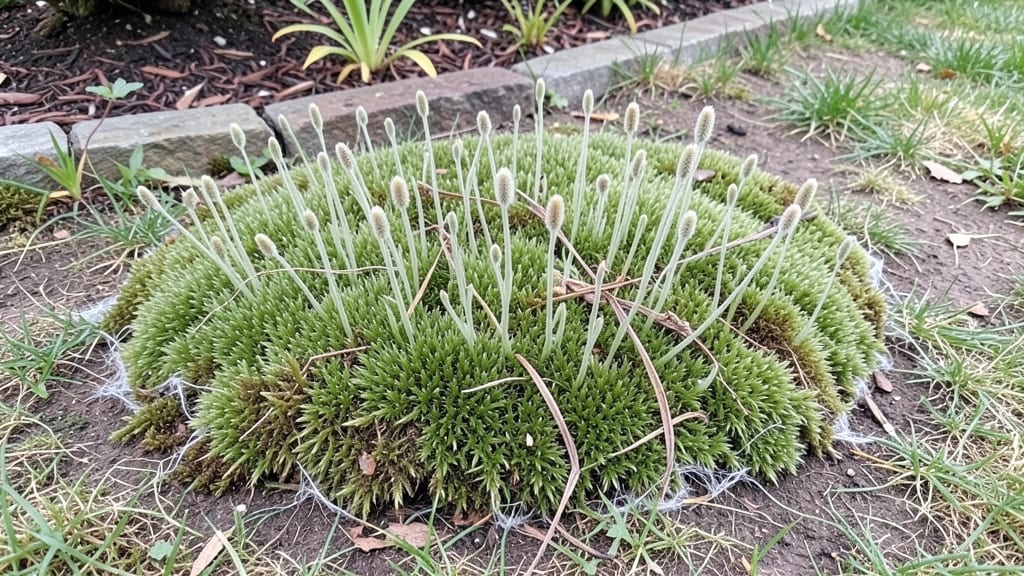
Green moss on grass isn't just unsightly—it's a sign your lawn is begging for a little TLC. I've battled this stubborn green carpet in my own yard, and I'll show you how to turn it into lush grass again without harsh chemicals.
The key lies in understanding why it shows up in the first place.
Moss thrives where grass struggles—shady spots, compacted soil, or poor drainage. It's actually a symptom, not the problem. My lawn went from a mossy mess to vibrant green in just a few weeks once I fixed these underlying issues.
The solution isn't about fighting the moss directly, but creating conditions where grass can outcompete it naturally.
You'll learn three straightforward steps that work for any lawn: improving airflow to the roots, adjusting soil pH, and giving your grass the sunlight it craves. The results?
A thicker lawn that crowds out moss before it can take hold. No more patchy, spongy ground—just a carpet of grass that stays green all season.
This method works for both small patches and entire lawns, whether you're dealing with moss in shady corners or across the whole yard. The best part? You'll know exactly what to do the next time moss tries to move in—because you'll have already fixed what attracts it.
Understanding the Root Causes
If you’ve ever spotted lush, vibrant green moss creeping across your lawn, you might assume it’s a sign of a healthy yard—but it’s often the opposite. Moss thrives where grass struggles, and understanding why it appears is the first step to reclaiming your lawn.
Below, we break down the most common reasons behind this persistent problem, backed by science and actionable insights.
###
🌧️ Poor Drainage and Waterlogged Soil
Moss loves moisture, and if your lawn sits in soggy conditions for extended periods, it’s an open invitation for this resilient plant. Why does this happen? When soil compacts or lacks organic matter, water can’t drain efficiently, leading to waterlogged areas.
Moss spores, which are always present in the environment, germinate in these damp, shaded conditions, outcompeting grass.
Science behind it: Moss lacks true roots, so it doesn’t need deep soil penetration. Instead, it absorbs water and nutrients directly from the surface. In contrast, grass roots require well-aerated soil to breathe and access oxygen. Overwatering or heavy clay soil exacerbates the issue by suffocating grass roots while creating the perfect moss habitat.
Actionable fix:
- Test your soil’s drainage by digging a small hole (6 inches deep) and filling it with water. If it drains in less than 4 hours, your soil is likely fine. If not, amend it with compost or sand to improve aeration.
- Consider installing a French drain or grading your lawn to slope away from low-lying areas.
- Avoid walking on wet grass to prevent further soil compaction.
###
☀️ Insufficient Sunlight and Shade Issues
Grass is a sun-worshipper, while moss thrives in the shade. If your lawn has trees, fences, or buildings casting shadows for most of the day, grass weakens, and moss moves in. Why? Grass needs 4–6 hours of direct sunlight daily to photosynthesize and grow.
Without it, grass blades become thin and sparse, leaving gaps for moss to colonize.
Science behind it: Moss has a simpler structure than grass and can survive with far less light. It also grows slowly in low-light conditions, making it a persistent nuisance. Over time, moss can even smother grass by blocking sunlight entirely.
Actionable fix:
- Prune overhanging branches or thin out dense shrubs to increase sunlight exposure.
- Choose shade-tolerant grass varieties like fine fescue or Kentucky bluegrass if full sun isn’t an option.
- Consider artificial turf or ground covers in heavily shaded areas where grass struggles.
###
🧪 High Soil Acidity (Low pH Levels)
Moss prefers acidic soil (pH below 6.0), while most grasses thrive in neutral to slightly alkaline soil (pH 6.0–7.5).
If your lawn’s soil is too acidic, grass becomes stressed, and moss takes over. Why does this happen? Acidic soil can result from natural conditions, poor drainage, or excessive use of certain fertilizers (like those high in sulfur or ammonium).
Science behind it: Acidic soil locks out essential nutrients like phosphorus and calcium, which grass needs to stay healthy. Moss, however, can extract nutrients efficiently in low-pH environments. Over time, the imbalance weakens grass, making it easier for moss to spread.
Actionable fix:
- Test your soil’s pH using a home test kit or send a sample to a local extension office.
- If pH is below 6.0, apply lime (calcium carbonate) to raise it gradually. Follow package instructions for application rates.
- Avoid over-fertilizing with acidic amendments like peat moss or sulfur.
###
🌱 Lack of Proper Lawn Maintenance
Neglect is a fast track to a moss-dominated lawn. Why? Grass requires regular care—mowing, fertilizing, and aerating—to stay competitive. When these tasks fall by the wayside, grass weakens, and moss fills the void. Common maintenance oversights include:
- Infrequent mowing: Tall grass shades the soil, creating a damp, cool environment perfect for moss.
- Poor fertilization: Grass needs nitrogen and other nutrients to outcompete moss. Without them, it becomes vulnerable.
- No aeration: Compacted soil prevents grass roots from accessing water and nutrients, while moss thrives in these conditions.
Science behind it: Grass is a C4 plant, meaning it’s highly efficient at converting sunlight into energy—but only if it’s healthy. Moss, a bryophyte, doesn’t rely on roots or vascular systems, giving it a survival advantage in stressed lawns.
Actionable fix:
- Establish a consistent mowing schedule (never remove more than 1/3 of the blade height at once).
- Apply a balanced fertilizer (high in nitrogen) in early spring and fall.
- Aerate your lawn annually, especially in high-traffic or compacted areas.
- Overseed bare or thin patches with high-quality grass seed to fill gaps.
###
🐞 Fungal Competition and Soil Microorganisms
Sometimes, moss isn’t the only intruder—fungal organisms can also create conditions that favor its growth. Why? Certain fungi break down organic matter in the soil, releasing acids that lower pH and create a hospitable environment for moss.
Additionally, fungal infections (like red thread or dollar spot) can weaken grass, making it easier for moss to take hold.
Science behind it: Fungi and moss often coexist in damp, shaded environments. Fungal hyphae (thread-like structures) can even form symbiotic relationships with moss, further enhancing its growth while degrading grass health.
Actionable fix:
- Apply a fungicide if you suspect fungal issues (follow label instructions carefully).
- Improve air circulation by spacing plants and shrubs properly to reduce humidity.
- Use compost or organic mulch to boost beneficial soil microbes that support grass growth.
Quick Fixes for a Lush, Moss-Free Lawn
If your lawn is turning into a green (but not the good kind), moss is likely the culprit. The good news? With the right approach, you can restore a thick, healthy lawn—without harsh chemicals.
Below, we’ve mapped out practical solutions based on the most common causes of moss growth, plus prevention tips to keep your grass thriving long-term.
🌱 Cause 1: Poor Drainage or Compacted Soil
Moss loves soggy, waterlogged areas because it thrives where grass struggles. If your lawn feels spongy or puddles linger after rain, drainage (or lack thereof) is the issue.
🔥 Fix It: Improve Soil Aeration & Drainage
- 👨🍳 Step 1: Test Your Soil Grab a handful of damp soil and squeeze it. If it stays clumped or feels heavy, your soil is compacted. A simple soil test kit (or local extension service) can confirm pH and drainage issues.
- 🔪 Step 2: Aerate Your Lawn Rent a core aerator (or hire a pro) to pull out small soil plugs, allowing water, air, and nutrients to penetrate. Do this in spring or fall when grass is actively growing.
- 💡 Pro Tip: After aerating, top-dress with 1/4 inch of compost to improve soil structure. This helps grass roots grow deeper, outcompeting moss.
- ⏰ Step 3: Install a French Drain (If Needed) For severely waterlogged spots, dig a shallow trench (6–12 inches deep) and fill it with gravel. Cover with landscape fabric and top with soil to redirect water away from moss-prone areas.
🌡️ Prevention Tips
- Rake leaves and debris regularly—they smother grass and trap moisture.
- Consider sand top-dressing in heavy clay soils to improve drainage.
- Plant deep-rooted grasses like tall fescue or Kentucky bluegrass—they handle wet conditions better than shallow varieties.
🌿 Cause 2: Low Sunlight or Shady Spots
Moss doesn’t need sunlight to survive—it avoids it. If your lawn has patches under trees or in north-facing areas, moss will move in where grass can’t.
🍳 Fix It: Boost Grass Health in Shady Areas
- 🌱 Step 1: Choose the Right Grass Switch to shade-tolerant grasses like fine fescue or creeping red fescue. These varieties stay green with less sunlight.
- 💡 Pro Tip: Overseed in early fall for best results. Use a shade-specific seed mix and keep the soil moist until germination.
- 🔥 Step 2: Thin Tree Canopy (If Possible) Trim branches to let 3–4 hours of sunlight reach the lawn daily. Avoid heavy pruning in late summer—it stresses trees.
- 🎯 Step 3: Use a Moss Killer Sparingly For stubborn moss, apply a natural iron-based treatment (like Iron X) in early spring. Avoid chemical herbicides—they can harm grass too.
✨ Prevention Tips
- Mulch tree roots with wood chips to reduce moisture competition.
- Water deeply but less frequently—shallow watering encourages moss.
- Spread a thin layer of sand over mossy areas before overseeding to improve soil contact.
🔥 Cause 3: High Acidic Soil (pH Below 6.0)
Moss loves acidic conditions, while most grasses prefer a neutral pH (6.0–7.5). If your soil is too sour, moss will outcompete your lawn.
👨🍳 Fix It: Adjust Soil pH Naturally
- 📊 Step 1: Test Your Soil pH Use a DIY pH test kit or send a sample to your local extension office. Aim for a pH of 6.5–7.0 for most grasses.
- 💡 Pro Tip: If pH is below 6.0, apply lime (calcium carbonate) in early fall. Use 10–20 lbs per 1,000 sq ft based on your test results.
- ⏰ Step 2: Apply Lime Correctly Spread lime evenly with a broadcast spreader, then water lightly to help it sink into the soil. Re-test pH in 6 months—lime takes time to work.
- 🌱 Step 3: Fertilize for Grass, Not Moss Use a slow-release, nitrogen-rich fertilizer (like 20-0-5) in spring and fall. Avoid high-phosphorus fertilizers—they feed moss, not grass.
🎯 Prevention Tips
- Add compost or aged manure to improve soil structure and buffer acidity.
- Mow high (3–4 inches) to shade out moss and encourage deep roots.
- Avoid peat moss in top-dressing—it lowers pH further.
Remember: Moss is a symptom, not the enemy. By fixing why it’s there (drainage, shade, pH), you’ll crowd it out naturally. Start with one fix, monitor progress, and adjust as needed. Before you know it, your lawn will be grass-green again! 🌿💚
Frequently asked questions
Is green moss on grass actually harmful to my lawn?
Not necessarily harmful, but it's a clear sign your lawn needs attention. Moss doesn't damage grass directly, but it competes for nutrients and space, preventing your lawn from growing thick and healthy. The real issue is what's causing the moss to thrive in the first place—usually poor drainage, shade, or acidic soil. Addressing these root causes will naturally crowd out the moss while restoring your grass.
Can I just rake off the moss and expect my grass to grow back?
Raking helps temporarily, but it won't solve the underlying problem. Moss returns quickly if conditions (like poor drainage or shade) remain unchanged. For lasting results, focus on improving soil health, increasing sunlight exposure, or adjusting pH levels. Think of moss removal as just the first step—fixing the environment is what keeps it from coming back.
What's the fastest way to prevent moss from spreading?
The fastest solution is to improve drainage and increase sunlight. Start by aerating compacted soil and adding compost, then overseed with a shade-tolerant grass variety if needed. For immediate results, apply a thin layer of sand over mossy areas before reseeding—this helps grass establish faster while blocking moss spores. Consistent mowing at 3-4 inches also discourages moss growth by shading the soil.
Will lime really help if my lawn has moss?
Yes, if your soil is too acidic (pH below 6.0). Moss thrives in acidic conditions, while most grasses prefer neutral to slightly alkaline soil (pH 6.5-7.0). Apply pelletized lime in early fall following package instructions, then retest soil pH in 6 months. Lime won't kill existing moss immediately, but it creates conditions where grass can outcompete it naturally over time.
Can I use vinegar or other household products to kill moss?
While vinegar can kill moss temporarily, it's not recommended for lawns. Vinegar is too harsh and can damage grass, leaving bare spots that may become weed magnets. Instead, use iron-based treatments (like Iron X) which are safer for grass while effectively controlling moss. For organic options, try a mixture of water and dish soap—it breaks down moss cell walls without harming your lawn.