
Lawn
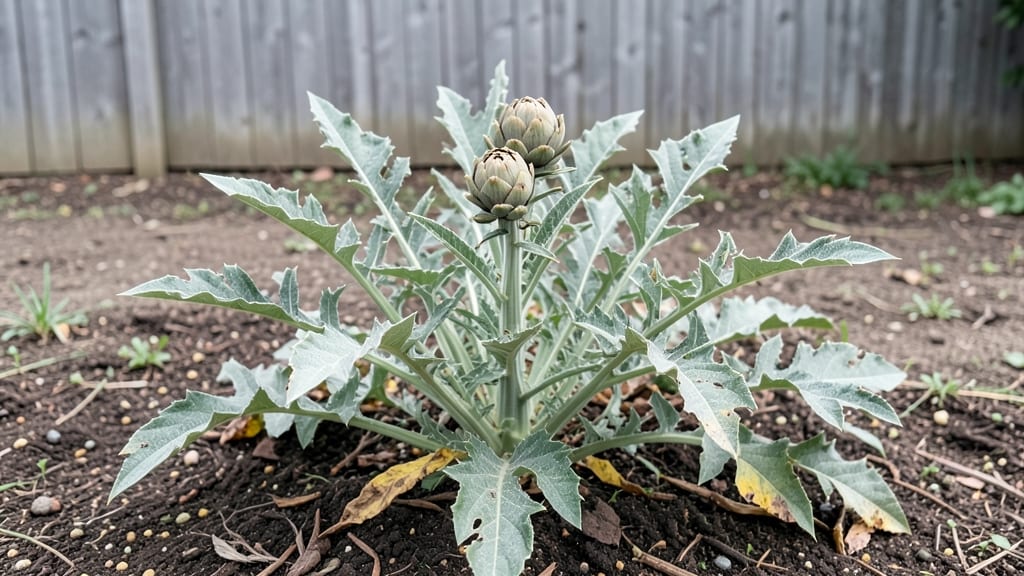
Spotting grass with round spiky balls in your yard isn’t just a quirky lawn oddity—it’s a sign you’ve got a resilient plant that thrives where others struggle.
If you’ve ever spotted mysterious grass with round, spiky seed heads popping up in your lawn or garden, you’re likely dealing with a hardy plant that spreads fast and adapts to almost any soil. Some gardeners pull it out, while others embrace it for its toughness and wildlife benefits.
This grass with round spiky balls isn’t just tough—it’s also low-maintenance, making it a favorite for erosion control and pollinator-friendly landscapes. Whether you’re dealing with an unexpected guest or planning to grow it intentionally, understanding its habits is key.
Below, I’ll show you how to identify it, where it grows best, and how to manage it—whether you want to keep it or kick it to the curb.
How to identify couch grass by its round spiky seed balls
Spotting grass with round spiky seed balls in your yard often means you’ve encountered couch grass (Elymus repens), also called quackgrass. This invasive perennial spreads aggressively through underground rhizomes, making it a common lawn pest.
The distinctive seed heads—round, spiky clusters—are your first clue, but leaf shape and growth patterns confirm the ID.
Couch grass thrives in compacted soil and partial shade, often crowding out desirable plants. Its blue-green leaves are flat and 1/4-inch wide, with a boat-shaped tip. These features help distinguish it from orchard grass or timothy grass, which have different seed structures and leaf textures.
Here’s how to tell couch grass apart from lookalikes using its seed heads, leaf arrangement, and root system:
Pay close attention to the seed head structure—couch grass’s round spiky balls are unique. Unlike orchard grass, which forms flat clusters, or timothy grass, with feathery panicles, couch grass’s seed heads resemble tiny pinecones.
This trait helps you spot it early, before it spreads via rhizomes.
Another key identifier is the leaf arrangement. Couch grass leaves grow in alternate patterns along the stem, while orchard grass has leaves clustered at the base. Run your fingers along the stem: if you feel smooth, flat blades with a boat-shaped tip, it’s likely couch grass.
Check the growth pattern next. Couch grass forms dense mats due to its rhizomes, which can extend 4-5 feet underground. Digging up a small patch will reveal these white, fibrous roots, confirming the ID.
If you see this, act fast—couch grass can double its coverage in a single season.
For accurate identification, compare your findings to a local plant database or consult your county extension office. Some regions confuse couch grass with nutgrass (Cyperus rotundus), which has triangular stems and nut-like tubers. If your grass has three-sided stems, it’s nutgrass, not couch grass.
Once identified, decide whether to remove or harness couch grass. While it’s invasive, its deep roots prevent erosion and provide wildlife habitat. If you’re in a naturalized garden, consider leaving it—just monitor its spread. For lawns, manual removal or organic herbicides work best.
Pro tip: Snap a photo of the seed heads and leaves next to a ruler for
Natural ways to grow couch grass for erosion control or wildlife
If you're looking to stabilize slopes or create a wildlife-friendly garden, couch grass (Elymus repens) is an excellent choice. This hardy perennial spreads quickly, forming dense mats that prevent soil erosion while providing shelter for beneficial insects.
Unlike invasive species, couch grass can be managed naturally to thrive in your landscape without harming native plants.
One of the biggest advantages of couch grass is its low-maintenance nature. It thrives in poor soils, tolerates drought once established, and requires minimal fertilization. For erosion control, its extensive root system binds soil together, making it ideal for banks, hillsides, and even roadside plantings.
Plus, its clumping growth habit creates microhabitats for pollinators like bees and butterflies.
Ready to cultivate couch grass intentionally? Here’s how to do it without chemicals or invasive techniques:
- 1. Select the Right Location: Choose areas with full sun to partial shade and poor to moderately fertile soil. Avoid rich garden beds where it may outcompete desired plants.
- 2. Prepare the Soil: Loosen the top 4-6 inches of soil and remove weeds. Couch grass doesn’t need compost, but you can mix in a little sand or gravel for better drainage in heavy clay.
- 3. Plant in Spring or Early Fall: Sow seeds directly ½ inch deep or transplant rhizomes. Space them 12-18 inches apart to encourage dense growth without overcrowding.
- 4. Water Lightly at First: Keep soil moist but not soggy for the first 4-6 weeks. Once established, reduce watering to once a week or during dry spells.
- 5. Mow Occasionally for Control: Trim back growth to 3-4 inches in late winter to encourage new shoots and prevent seed spread. Avoid mowing during peak bloom to support pollinators.
For wildlife benefits, leave some areas unmowed to allow seed heads to develop. The spiky seed balls provide food for birds, while the dense foliage offers shelter for ground-dwelling creatures like toads and beetles. Pair couch grass with native wildflowers like goldenrod or coneflower to create a pollinator paradise.
If you’re using couch grass for erosion control, focus on planting along slopes or waterways. Its deep roots stabilize soil better than many ornamental grasses, and it won’t wash away during heavy rains.
Just be mindful of its spreading habit—contain it with edging or mulch if needed to keep it from encroaching on other plants.
With minimal effort, couch grass can transform bare, eroded areas into lush, functional landscapes. Whether you’re restoring a hillside or simply adding texture to your garden, this versatile grass delivers both beauty and practicality—naturally. 🌿