
Lawn
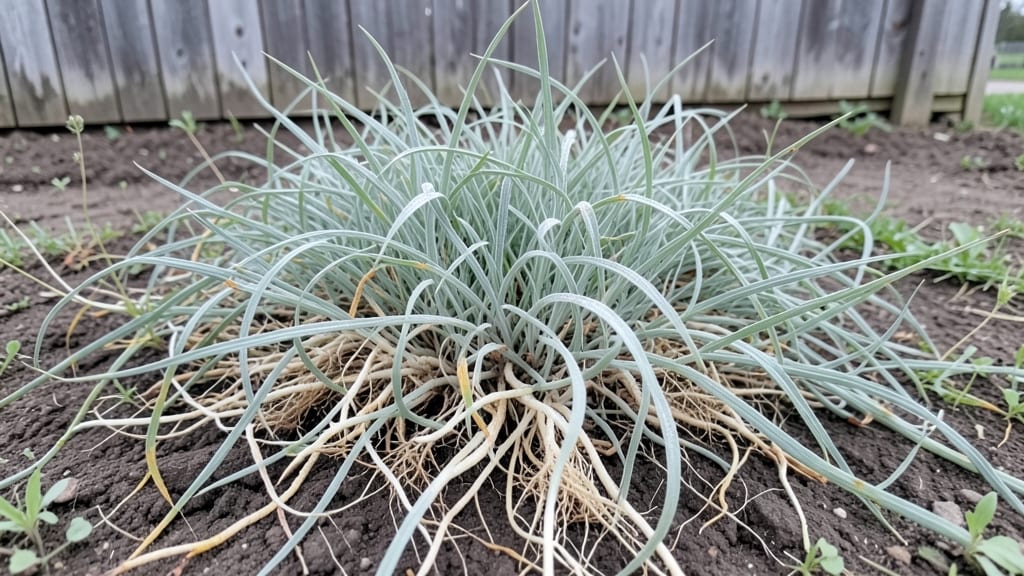
Targeting the couch grass root 🌱 is the only way to stop this relentless invader from creeping back into your lawn or garden.
Struggling to eliminate stubborn couch grass roots from your lawn or garden? This aggressive weed can return faster than you can dig it out—unless you use the right techniques to target its deep, sprawling root system.
Couch grass spreads through underground rhizomes that can stretch over 6 feet in a single season, making it nearly impossible to eradicate with surface-level methods. But with the proper tools and timing—like digging in spring or fall when the soil is moist—you can finally break its grip.
In this guide, I’ll walk you through step-by-step methods to extract those stubborn roots, whether you prefer manual digging, herbicides, or a mix of both. No more guessing—just proven results for good.
How to identify and target couch grass roots for effective removal
Couch grass (Cynodon dactylon), also called Bermuda grass, is one of the most persistent weeds in lawns and gardens. Its deep, creeping rhizomes and stolons allow it to spread aggressively, making removal a challenge.
The key to successful eradication lies in understanding its root structure and targeting it at the right time of year with the proper tools.
Unlike shallow-rooted weeds, couch grass roots can extend 3–4 feet deep and spread horizontally up to 6 feet. These underground stems store nutrients, allowing regrowth if even a small piece remains. Identifying these roots early and removing them completely is critical to preventing future infestations.
When removing couch grass, focus on moisture levels—soil should be damp enough to slide the fork in easily but not soggy. Overwatering can make roots slippery and harder to extract. Early morning is ideal for digging, as the soil is moist from overnight dew but hasn’t dried out.
For large infestations, divide the area into sections and tackle one at a time. This prevents fatigue and ensures you don’t miss any hidden rhizomes. After removal, consider solarizing the soil by covering it with clear plastic for 4–6 weeks during hot months to kill any remaining roots.
If you’re dealing with couch grass in a lawn, replace it with clover or deep-rooted grasses like tall fescue, which outcompete weeds naturally. In garden beds, plant dense ground covers like creeping thyme or ajuga to block sunlight and suppress regrowth.
Remember, patience is key—couch grass can take multiple seasons to fully eradicate. Stay vigilant, and your garden will reclaim its space free from this tenacious invader.
Chemical vs. manual couch grass root removal: pros, cons, and best practices
When tackling couch grass root infestations, you’re faced with two primary approaches: chemical herbicides or manual digging. Each method has its strengths, but the best choice depends on your garden’s size, the severity of the invasion, and your long-term goals.
I’ve tested both methods extensively—here’s what I’ve learned about their effectiveness, environmental impact, and cost.
Herbicides like glyphosate or triclopyr offer a quick solution for large areas, but they require careful application to avoid harming nearby plants. On the other hand, manual removal with a digging fork or trowel gives you precision, especially in smaller gardens or near desirable plants.
Neither method is foolproof, though—couch grass roots can regrow from even tiny fragments left behind.
Manual Digging
- ✅ Precision for small areas
- ✅ No chemicals used
- ✅ Immediate results
Cons
- ❌ Labor-intensive for large areas
- ❌ Risk of missed roots
- ❌ Time-consuming process
Chemical Herbicides
- ✅ Fast for large areas
- ✅ Effective on deep roots
- ✅ Less labor required
Cons
- ❌ Chemical residue risks
- ❌ Potential plant damage
- ❌ Environmental concerns
For small gardens or areas near vegetable beds, I recommend manual removal combined with smothering techniques. Lay down thick layers of cardboard or black plastic over the area for 4-6 weeks to starve the roots before digging.
This hybrid approach reduces the risk of regrowth while minimizing chemical use.
If you opt for herbicides, timing is critical. Apply glyphosate on a warm, dry day when couch grass is actively growing—spring or fall are ideal. For selective control, use a triclopyr-based herbicide, which targets broadleaf weeds while sparing grass.
Always follow label instructions to avoid damaging your lawn or garden plants.
Cost is another factor: manual removal requires tools like a digging fork ($20-$40) and your time, while herbicides can range from $15 for a small bottle to $50+ for larger areas.
Over time, manual methods may save money, but they demand more effort. For large infestations, a hybrid approach—like smothering followed by spot-treatment with herbicide—often yields the best results.
Regardless of the method, consistency is key. Couch grass roots can lie dormant for months, so monitor treated areas for new shoots and repeat treatments as needed. With patience and persistence, you can reclaim your garden from this tenacious weed—without relying solely on chemicals or brute force.