
Lawn
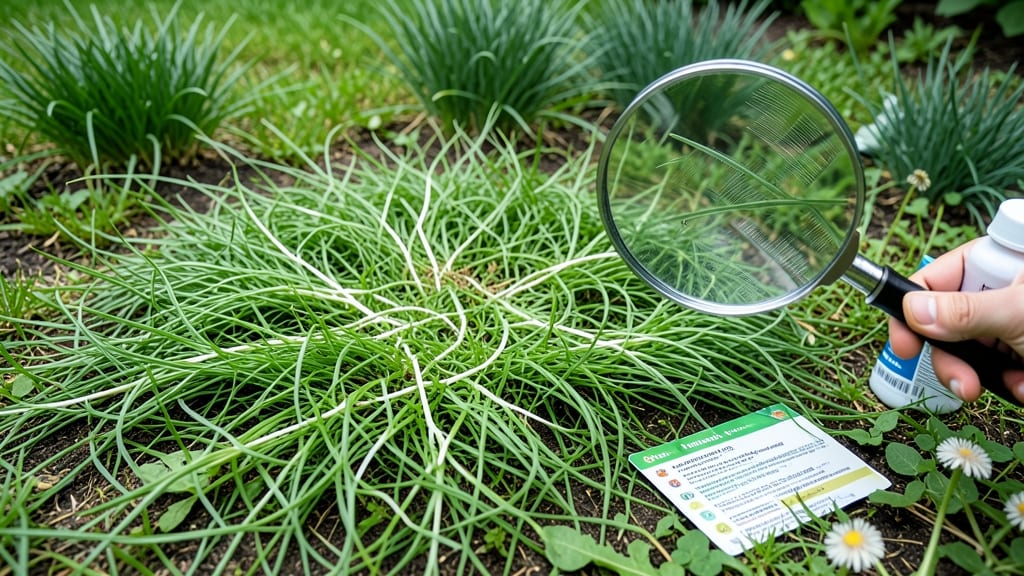
Scutch grass in lawns turns your lush green carpet into a tangled mess overnight. 🌱 I’ve pulled clumps from my own yard that felt like wrestling with weeds—until I learned the right techniques to tackle it in 48 hours without harsh chemicals.
The key? Timing, tools, and a little elbow grease.
This grass spreads fast because it thrives in compacted soil and shady spots where regular grass struggles. Most people don’t realize it’s not just a weed—it’s a smart survivor that outcompetes lawns by choking out sunlight.
But here’s the good news: manual removal works better than you think, especially when you hit it at the right growth stage.
By the end of two days, you’ll have a lawn that looks revived, not just patched. The secret? Pulling in the morning when soil is damp (not soggy), using a weeding tool to avoid regrowth, and filling bare spots with fast-growing clover or shade-tolerant grass seed.
No more hiding your lawn in shame—just healthy turf.
Works for any yard, from sun-drenched backyards to shady corners where scutch grass loves to take over. Let’s get your lawn back to its best in just 48 hours—no waiting, no guessing.
Why it happens
Scutch grass (Cynodon dactylon, also called Bermuda grass in some regions) isn’t just an unwanted guest—it’s a strategic colonizer with a knack for turning your pristine lawn into a dense, wiry jungle.
Understanding why it thrives helps you outmaneuver it before it takes over. Here’s the science behind its persistence:
🌱 Poor Soil Conditions Create a Haven
Scutch grass thrives in compacted, nutrient-poor, or alkaline soils—conditions that discourage desirable grasses like Kentucky bluegrass or fescue. Here’s why:
- Low organic matter: Scutch grass roots (rhizomes and stolons) spread aggressively in thin, sandy, or clay-heavy soils where beneficial microbes and fungi are scarce. Actionable fix: Amend soil with 2–3 inches of compost or use a mycorrhizal fungus inoculant to improve root zone health.
- High pH (alkaline soil): Most lawn grasses prefer a pH of 6.0–7.0, but scutch grass tolerates pH 7.5–8.5. If your soil test reveals alkalinity, it’s a green light for this weed. Actionable fix: Apply elemental sulfur or peat moss to lower pH gradually (aim for 6.5).
- Poor drainage: Scutch grass loves moisture but hates waterlogged conditions—yet it still dominates because its rhizomes store water efficiently. If your lawn has clay soil or poor drainage, it’s a double-edged sword: other grasses suffocate, but scutch grass survives. Actionable fix: Aerate twice a year and top-dress with sand or compost to improve porosity.
🌞 Overwatering and Heat Stress
Scutch grass is the champion of drought resistance, thanks to its deep, sprawling root system. But its dominance often stems from overwatering, which creates the perfect storm:
- Shallow watering: Frequent light watering (e.g., 5–10 minutes/day) keeps the soil surface moist, encouraging scutch grass stolons to spread horizontally while suffocating deeper-rooted grasses. Actionable fix: Water deeply 2–3 times per week (1–1.5 inches per session) to promote deeper grass roots.
- Heat and humidity: Scutch grass photosynthesizes efficiently in high temperatures (up to 100°Foutcompetes them for sunlight and water. Actionable fix: Mow higher (3–4 inches) in summer to shade the soil and reduce scutch grass seed germination.
✂️ Lawn Care Mistakes That Help It Spread
Your well-intentioned lawn care might be accelerating scutch grass growth. Here’s how:
| Mistake | Why It Backfires | How to Fix It |
|---|---|---|
| Mowing too short (<1.5 inches) | Weakens desirable grasses, exposing bare soil for scutch grass seeds to germinate. Its stolons also root at the nodes, so cutting too low stimulates regrowth. | Set mower to 3–4 inches in summer, 2–3 inches in spring/fall. Never remove more than ⅓ of the blade height at once. |
| Over-fertilizing with nitrogen | Scutch grass absorbs nitrogen 3x faster than cool-season grasses. Excess N promotes its growth while starving out competitors. | Use a slow-release fertilizer (e.g., milorganite) with a balanced NPK ratio (e.g., 16-4-8). Avoid spring green-up fertilizers. |
| Ignoring thatch buildup | Thatch (>0.5 inches) traps moisture and heat, creating a microclimate perfect for scutch grass rhizomes. It also blocks pre-emergent herbicides. | Dethatch in early spring with a vertical mower or rake. Apply compost afterward to improve decomposition. |
🌱 Seed Spread and Hidden Entry Points
Scutch grass doesn’t just spread from roots—it’s a seed and stolon double threat. Here’s how it sneaks in:
- Wind and wildlife: Its seeds are lightweight and travel easily, while birds and animals spread rhizome fragments. Even a small patch can double in size yearly if unchecked. Actionable fix: Mow frequently to remove seed heads before they release, and edge lawn borders with gravel or mulch to block spread.
- Contaminated soil/sod: New sod or topsoil often carries scutch grass seeds or rhizomes. Actionable fix: Inspect sod before laying—look for yellow patches or wiry texture. Use certified weed-free soil.
- Construction or foot traffic: Heavy equipment or shoes can bury rhizome fragments, which then sprout in disturbed areas. Actionable fix: After landscaping, apply pre-emergent herbicide and oversow with a competitive grass like tall fescue.
🎯 The Role of Weak Competitors
Scutch grass doesn’t just invade—it exploits lawns where other grasses are already struggling. Common triggers:
- Disease or pest damage: Grubs, chinch bugs, or fungal diseases (like brown patch) kill off desirable grasses, leaving gaps for scutch grass to fill. Actionable fix: Test for pests and treat with beneficial nematodes or neem oil if needed.
- Shade stress: Scutch grass tolerates partial shade (30–50% sunlight), while many lawn grasses (e.g., Kentucky bluegrass) require full sun. Actionable fix: Plant shade-tolerant grasses like fine fescue in low-light areas.
- Improper overseeding: If you overseed in summer (when scutch grass is active) or use low-quality seed, you’re giving it a head start. Actionable fix: Overseed in early fall with high-quality, scutch grass-resistant seed mixes.
Quick Fixes for Unwanted Grass
Now that you understand why scutch grass (or Digitaria spp.) invades your lawn, let’s tackle it head-on with targeted solutions. The good news? You don’t need harsh chemicals to reclaim your turf—just the right tools, timing, and a little elbow grease.
Below, we’ve mapped out practical fixes based on the root causes (shady spots, thin grass, or poor maintenance) and paired them with prevention tips to keep your lawn lush and scutch-grass-free.
If scutch grass is just starting to spread, physical removal is your best first line of defense. This method works best in small patches or early infestations.
🍳 Step 1: Identify and Pull (When to Act)
- Best time: Early morning or late afternoon (grass is softer and easier to remove).
- How to spot it: Scutch grass has flat, finger-like seed heads and grows in clumps.
Pull it when soil is moist (after rain or watering). - Tool up: Use a hand weeder or digging fork for stubborn roots.
👨🍳 Step 2: Dig Deep to Stop Regrowth
- Scutch grass has aggressive roots, so pull as much of the root system as possible.
- Pro tip: 💡 If the grass resprouts, repeat the process—it’s a sign the roots weren’t fully removed.
⏰ How Often?
- Weekly checks for new sprouts (especially in summer).
- Reapply after mowing if you missed any patches.
Thin lawns = scutch grass paradise. Overseeding fills gaps so your grass crowds out unwanted invaders.
🔪 Step 1: Prep the Soil (Aerate & Loosen)
- Rent a core aerator (or use a garden fork) to punch holes in compacted soil.
- Why? Scutch grass thrives in dense, compacted areas—aeration lets your grass roots breathe.
🌡️ Step 2: Choose the Right Grass Seed
- Cool-season grasses (like Kentucky bluegrass or fescue) outcompete scutch grass better than warm-season types.
- Seed mix tip: 🌡️ Look for shade-tolerant blends if your lawn has tree cover.
🎯 Step 3: Seed, Water, and Wait
- Spread seed evenly (use a broadcast spreader for large areas).
- Water lightly daily for 2–3 weeks to keep soil moist (but not soggy).
- First mow when new grass reaches 3–4 inches tall.
If manual removal isn’t enough, vinegar-based or corn gluten meal sprays can weaken scutch grass without harming your lawn.
🔥 Option 1: Vinegar Spray (Spot Treatment)
- Mix: 1 gallon white vinegar + 1 oz dish soap + 1 cup salt.
- Apply: Spray directly on scutch grass (avoid desirable grass—it’ll kill that too!).
- Best for: Small, isolated patches.
- Reapply: Every 3–5 days until grass dies.
✨ Option 2: Corn Gluten Meal (Preventative)
- How it works: Blocks weed seeds from germinating (safe for existing grass).
- Apply: 20 lbs per 1,000 sq ft in early spring (before scutch grass seeds sprout).
- Bonus: 🌱 Also acts as a slow-release fertilizer for your lawn.
Now that you’ve kicked it out, lock it down with these habits:
| Problem Cause | Prevention Fix | When to Do It |
|---|---|---|
| Shady, moist spots | Improve drainage + overseed with shade grass | Early fall or spring |
| Thin, patchy grass | Aerate + fertilize (high nitrogen) | Late summer or early fall |
| Poor mowing habits | Mow high (3–4 inches) + sharpen blade | Weekly in growing season |
| Compacted soil | Core aerate + top-dress with compost | Early fall |
💡 Pro Tips to Stay Ahead:
- Mow high (scutch grass struggles in taller grass).
- Water deeply but infrequently (encourages deep grass roots).
- Dethatch if your lawn has a thick layer of debris (scutch grass loves that environment).
- Test soil pH (ideal: 6.0–7.0 for most grasses)—scutch grass thrives in acidic soil.
If scutch grass covers more than 20% of your lawn or keeps returning despite your efforts, consider hiring a lawn care specialist. They can assess soil health, recommend targeted herbicides, or suggest hydroseeding for large areas.
Remember: Patience is key—scutch grass is tough, but with consistent care, your lawn will bounce back stronger. Start with manual removal, then overseed, and prevent future invasions with smart maintenance.
In 48 hours, you won’t see dramatic results, but in 48 days, you’ll have a lush, scutch-grass-free yard! 🌿
Frequently asked questions about scutch grass in lawns
What does scutch grass look like compared to regular lawn grass?
Scutch grass has a distinct wiry texture with flat, finger-like seed heads that spread outward like a star. Unlike smooth-bladed lawn grasses, its leaves are rough to the touch and grow in dense clumps. Look for these yellow-green patches that spread aggressively—especially in shady or compacted areas where regular grass struggles.
Why does scutch grass keep coming back after I pull it?
This tough weed spreads through rhizomes and stolons—underground roots that can fragment easily. If you don’t remove at least 2 inches of root when pulling, new shoots will sprout. For stubborn patches, try digging deeper with a weeding fork or applying corn gluten meal afterward to prevent regrowth. Consistency is key—check weekly for new sprouts!
Can I use vinegar to kill scutch grass without harming my lawn?
Yes, but with caution! A vinegar spray (1 gallon vinegar + 1 oz dish soap + 1 cup salt) works well for spot treatments on small patches. However, it will also kill desirable grass—so apply only to scutch grass and avoid overspray. For larger areas, corn gluten meal is a safer, non-toxic alternative that prevents new growth while fertilizing your lawn.
What’s the best time of year to tackle scutch grass?
Spring and early fall are ideal because soil is moist but not waterlogged, making removal easier. In summer, scutch grass grows rapidly, so weekly pulling is crucial. Avoid treating in drought conditions—the stress makes roots harder to extract. For prevention, apply pre-emergent herbicide in late winter to stop seeds from germinating.
Will overseeding my lawn actually prevent scutch grass?
Dense, healthy grass crowds out scutch grass by competing for sunlight and nutrients. Choose shade-tolerant or drought-resistant seed mixes (like fine fescue) for problem areas. After aerating, spread 2–3 lbs of seed per 100 sq ft and water lightly daily for 2–3 weeks. The key is consistent moisture to help new grass establish before scutch grass can take over.