
Lawn
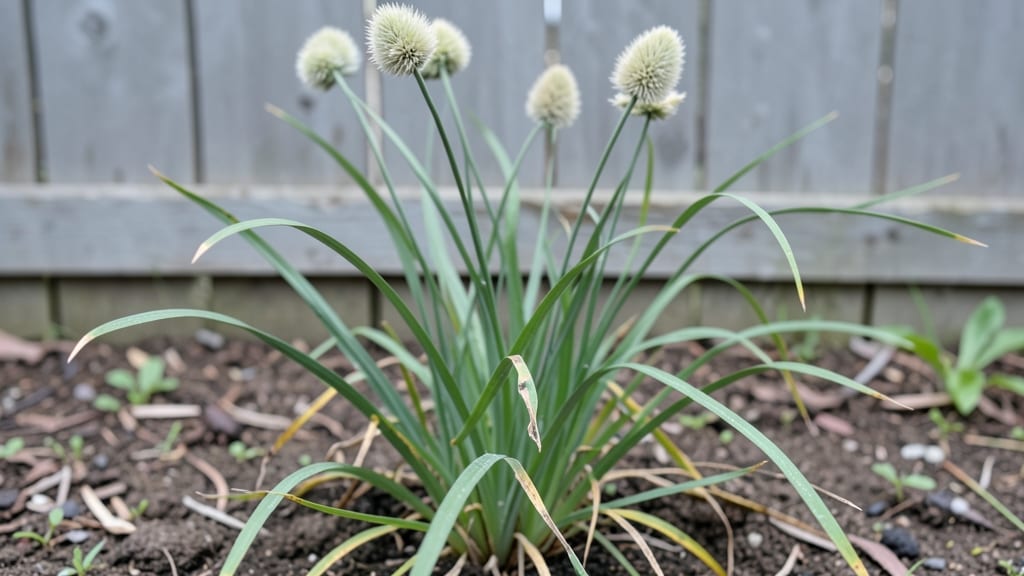
That fuzzy top on your grass isn’t just an eyesore—it’s a sign your lawn might be battling weeds like nutsedge or crabgrass 🌱, which can spread fast if ignored.
Picture this: you’ve spent hours mowing, watering, and fertilizing, only to wake up one morning and spot a patch of fuzzy, powdery growth creeping in. Before you reach for harsh chemicals, there’s a better way to tackle this problem head-on.
In this guide, I’ll walk you through how to identify the culprit, whether it’s a fungal issue, pest activity, or an environmental factor, and share fast solutions to reclaim your yard.
From natural remedies to preventative tips, you’ll learn how to keep your Fescue Grass (Tall Fescue) looking lush and healthy without breaking the bank.
5 Common weeds with fuzzy tops invading your lawn
Spotting fuzzy-topped weeds in your lawn can feel like a mystery—until you learn their telltale signs. These intruders often mimic ornamental grasses but spread aggressively, stealing nutrients from your healthy turf.
The key to eradication starts with accurate identification, so you can target treatments effectively without harming your lawn.
Don’t confuse fuzzy tops with dew-covered grass or harmless ornamental varieties like Muhlenbergia capillaris. The weeds we’re focusing on thrive in lawns, forming dense mats that smother grass roots. Let’s break down the five most common fuzzy-topped weeds and how to distinguish them from your prized plants.
| Weed Type | Fuzzy Top Characteristics | Leaf Pattern | Growth Habit | Seasonal Behavior |
|---|---|---|---|---|
| Nutsedge | Soft, golden-brown fuzzy seed heads | Three-sided stems, grass-like leaves | Forms dense clumps, spreads via underground tubers | Peaks in summer, dormant in winter |
| Crabgrass | Fine, fuzzy seed clusters resembling crab legs | Narrow, rough-edged leaves | Low-growing, spreads via seeds | Thrives in late spring/summer, dies in frost |
| White Clover | Round, fuzzy seed pods (like tiny golf balls) | Three-leaf clover pattern, white flowers | Creates dense ground cover, spreads via seeds | Grows spring-fall, persists year-round in mild climates |
| Wild Violet | Velvety fuzzy seed stalks after flowering | Heart-shaped leaves, purple flowers | Forms patches, spreads via underground runners | Emerges early spring, fades in summer heat |
| Chickweed | Soft, fuzzy stems and leaves (not seed heads) | Oval leaves with tiny hairs | Creates mats, spreads via seeds | Thrives fall-spring, wilts in summer |
Nutsedge stands out with its three-sided stems and stubborn underground tubers—digging won’t always remove the whole plant. Its fuzzy seed heads resemble miniature corn cobs, but they’re far more aggressive. Look for these growing in moist lawn areas, as nutsedge thrives where water pools.
Crabgrass, with its fine fuzzy seed clusters, spreads rapidly in thin lawns. The secret to controlling it? Preventative measures like pre-emergent herbicides in early spring. Without intervention, crabgrass can choke out 70% of your turf within one season.
White clover’s fuzzy seed pods might look harmless, but they’re a nitrogen-fixing menace. While they improve soil, they also outcompete grass for space. The three-leaf pattern is a dead giveaway—though it’s easy to mistake for actual clover if you’re not paying attention.
Wild violets bring beauty but also underground runners. Their fuzzy seed stalks appear after purple flowers bloom. The challenge? These plants reseed annually, making them persistent. Pull them before they set seed to prevent new patches.
Chickweed’s fuzzy texture comes from tiny hairs on its soft stems and leaves, not seed heads. It thrives in cool, damp conditions, often appearing in late fall or early spring. Unlike other fuzzy weeds, chickweed doesn’t form dense mats—it spreads in scattered clumps.
To distinguish these from ornamental grasses, check the leaf arrangement and root structure. Ornamental grasses like Muhlenbergia capillaris have clumping roots and arching seed heads, while weeds like nutsedge spread via underground tubers. Always dig a small sample if you’re unsure!
Early identification saves time and money. Grab a hand lens or magnifying glass to inspect fuzzy tops up
Natural ways to eliminate fuzzy-topped weeds without chemicals
If you've spotted fuzzy-topped weeds creeping into your lawn, you're not alone—these persistent invaders can quickly take over if left unchecked. The good news? You can tackle them organically without resorting to harsh herbicides. The key is combining immediate removal with long-term prevention to keep your turf lush and weed-free.
Before diving into solutions, it's crucial to identify whether your fuzzy-topped grass is a weed (like nutsedge or crabgrass) or an ornamental grass you planted intentionally. Most lawn weeds with fuzzy tops thrive in poor soil conditions or compacted turf, so addressing the root cause is half the battle.
Let’s explore your chemical-free options and their pros and cons.
Natural Weed Removal Methods
Hand-Pulling
- ✅ Pros: Free, immediate results, no chemicals
- ✅ Best for small patches
- ✅ Works well for weeds with deep roots
- ❌ Cons: Time-consuming for large areas
- ❌ Risk of missing roots (regrowth)
Vinegar Solution
- ✅ Pros: Kills weeds on contact
- ✅ Non-toxic to humans/pets after drying
- ✅ Cost-effective ($5-$10 for supplies)
- ❌ Cons: Can harm nearby plants
- ❌ Requires repeat applications
- ❌ Works best in sunny, dry conditions
Corn Gluten Meal
- ✅ Pros: Prevents weed seeds from germinating
- ✅ Safe for organic lawns
- ✅ Improves soil health
- ❌ Cons: Only works as a preventative
- ❌ Doesn’t kill existing weeds
- ❌ Requires consistent application
Boiling Water
- ✅ Pros: Fast-acting and chemical-free
- ✅ Great for sidewalks and driveways
- ✅ No residue left behind
- ❌ Cons: Labor-intensive for large areas
- ❌ Can scald grass if overused
- ❌ Not ideal for root systems
For hand-pulling, focus on early morning or evening when the soil is moist—this makes it easier to extract entire root systems. Use a weed puller or even a butter knife to dig deep, especially for nutsedge or crabgrass, which have stubborn roots.
If you’re dealing with a large infestation, consider sectioning your lawn into smaller areas to tackle one patch at a time.
A vinegar solution (1 gallon white vinegar + 1 cup salt + 1 tbsp dish soap) is a powerful organic herbicide when applied directly to the fuzzy tops. Spray on a dry, sunny day to maximize effectiveness, and avoid overspraying your desired grass.
For corn gluten meal, apply it as a pre-emergent in early spring (about 20 lbs per 1,000 sq ft) to block weed seeds from sprouting. This method is best for long-term prevention rather than treating existing weeds.
To prevent regrowth, improve your lawn’s health with aeration (every 1-2 years) and topdressing with compost. Thick, healthy turf naturally crowds out weeds.
If your budget allows, professional lawn care services can aerate and overseed for about $0.10-$0.20 per sq ft, while DIY aeration rentals cost around $50-$100 per session.
For stubborn patches, a boiling water treatment (pouring directly on the fuzzy tops) is a quick fix, though it’s best for small, isolated areas.
Remember, consistency is key. Combine weekly inspections with seasonal preventatives like corn gluten meal to keep your lawn weed-free naturally. With patience and the right techniques, you’ll reclaim your yard without chemicals—one fuzzy-free patch at a time! 🌱