
Diseases
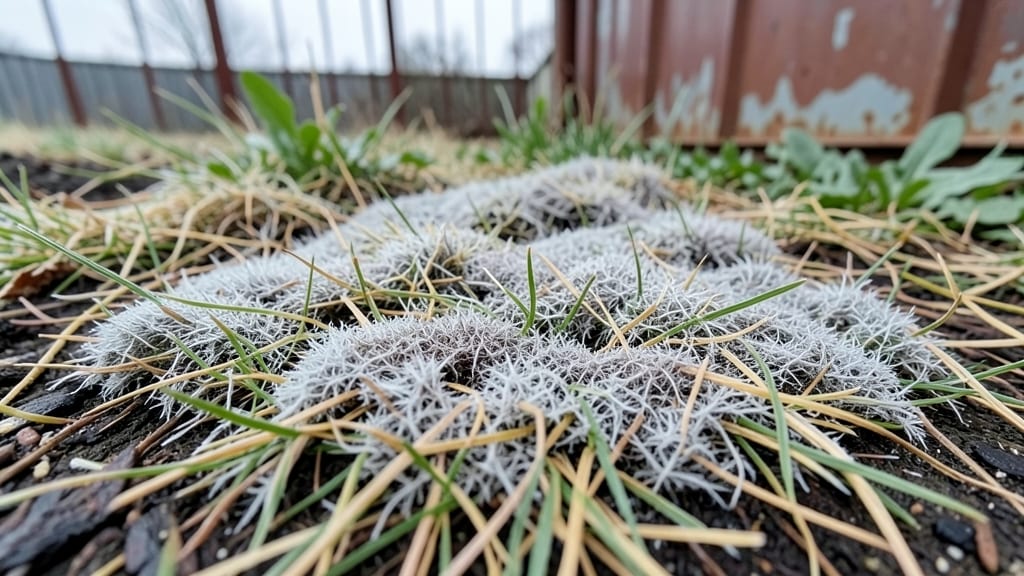
Winter mold on grass isn't just unsightly—it's a sign your lawn is struggling under wet, cold conditions. I’ve seen it turn vibrant green turf into a patchy, spongy mess, but there’s a way to keep your grass healthy through the frost.
The key is understanding why it happens and acting before the damage spreads.
The problem usually starts with poor drainage or too much moisture, which fungi love. Thick thatch layers or compacted soil trap dampness, creating the perfect breeding ground. Even well-drained lawns can suffer if snow melts unevenly or you water too much before freezing temperatures set in.
The good news? Small adjustments—like aerating, improving airflow, and adjusting your watering schedule—can make a huge difference.
By spring, you’ll have a lawn that’s thick, resilient, and free of those unsightly gray or white patches. The secret is early intervention: rake up excess thatch, overseed bare spots, and apply a fungicide if needed.
It’s not just about looks—healthy grass outcompetes mold naturally. Let’s get your lawn back to its best before the growing season kicks in.
This works for cool-season grasses like fescue and ryegrass, but warm-season lawns need a slightly different approach. The principles stay the same: drainage, airflow, and timing. With the right steps, you’ll be the envy of the neighborhood when your neighbors are still scraping mold off their turf.
Why it happens
Winter might seem like a dormant season for your lawn, but beneath the frost, a silent battle rages between your grass and microscopic invaders. Understanding why grass winter mold thrives in cold weather is the first step to stopping it before it spreads.
Let’s break down the science—and the sneaky conditions—that turn your lawn into a fungal buffet.
🌡️ Cold Temperatures Create the Perfect Incubator
Fungal spores don’t just vanish when the mercury drops—they thrive in the chilly, damp conditions of winter. Most turfgrass fungi, like Microdochium nivale (pink snow mold) or Typhula incarnata (speckled snow mold), are psychrophilic, meaning they grow best in temperatures between 32°F and 50°F (0°C–10°C).
Here’s why cold helps them:
- Slowed grass metabolism: Cold stress weakens turfgrass, reducing its ability to outcompete fungi for nutrients. Think of it like a marathon runner slowing to a walk—fungi swoop in to "steal" the energy.
- Moisture retention: Frozen ground acts like a seal, trapping snowmelt and dew at the soil surface. Fungi need this persistent moisture to germinate and spread. A single inch of snow can add 1–2 gallons of water per square yard when it melts.
- Dormant grass = less competition: When turfgrass goes semi-dormant, it stops producing defensive compounds (like phenolic acids) that normally inhibit fungal growth.
Pro tip: 🌡️ If your lawn stays wet for more than 48 hours in cold weather, fungal spores get a head start. Use a soil moisture meter to monitor hidden dampness under snow.
🍄 Snow Cover Acts Like a Fungal Blanket
Snow isn’t just water—it’s a protective layer that shields fungal spores from UV light (which can kill them) and insulates the soil, keeping it warm enough for growth. Here’s how it fuels mold:
- Extended moisture: Snowmelt drips slowly over weeks, creating a constant water supply at the grass-snow interface. Fungi like Fusarium species love this "slow-release" hydration.
- Oxygen deprivation: Compacted snow reduces airflow, creating anaerobic (low-oxygen) pockets where some fungi thrive. This is why you’ll often see mold under snow patches.
- Nutrient boost: Decaying plant debris trapped under snow releases nitrogen and carbon, which fungi use as fertilizer. Think of it as a winter salad bar for microbes.
Key insight: ❄️ Heavy, wet snow (like from rain-on-snow events) is worse than light, fluffy snow because it smothers grass and holds moisture longer.
🌱 Weakened Grass Invites Infestations
Not all lawns suffer equally from winter mold. The biggest risk factor? Grass that’s already struggling before the cold hits. Here’s what makes turf vulnerable:
| Cause | How It Helps Fungi |
|---|---|
| Thin or bare spots | Fungi latch onto exposed soil or weak roots like a shipwreck survivor grabbing driftwood. No grass = no competition. |
| Poor fall fertilization | Over-fertilizing in late fall (especially with nitrogen-heavy mixes) feeds fungi more than grass. Aim for a low-nitrogen, high-potassium blend in September/October. |
| Compacted soil | Foot traffic or heavy equipment crushes soil, reducing oxygen and encouraging waterlogging. Fungi love compacted zones because roots can’t access nutrients. |
| Wrong grass type | Cool-season grasses (like Kentucky bluegrass or fescue) are more susceptible to winter mold than warm-season grasses (e.g., Bermuda). If you’re in a transition zone, mixed species can create weak spots. |
Actionable fix: 💡 Before winter hits, aerate your lawn to relieve compaction and overseed thin areas with a disease-resistant variety (e.g., tall fescue or perennial ryegrass).
🌧️ Rain and Freeze-Thaw Cycles Accelerate Spread
Winter’s unpredictable weather is a fungal goldmine. Rapid temperature swings and moisture fluctuations create the perfect storm (literally) for mold. Here’s how:
- Freeze-thaw cycles: When water freezes, it expands and ruptures cell walls in grass blades, creating entry points for fungi. This is why mold often appears after a hard freeze followed by a thaw.
- Surface runoff: Ice dams or heavy rain cause water to pool on lawns, especially in low spots. Stagnant water drowns grass roots and leaves a fungal-friendly film on blades.
- Spore splash: Raindrops catapult fungal spores from infected areas to healthy patches—a process called splash dispersal. That’s why mold can spread 10+ feet in a single storm.
Emergency tip: ⚠️ If your area gets 3+ freeze-thaw cycles in a week, consider a preventative fungicide (like propiconazole) applied in late fall.
Fixing Fungal Lawn Issues Fast
Winter mold on your grass doesn’t have to be a lost cause—with the right approach, you can restore your lawn to its lush, healthy self. Below, we’ve mapped out practical solutions tailored to the most common causes of grass winter mold, from drainage problems to overwatering.
Follow these steps to tackle the issue head-on and prevent future outbreaks.
🔥 Overwatering or Poor Drainage? Drain & Dry It Out
If your lawn stays soggy for days after rain or snowmelt, excess moisture creates the perfect breeding ground for mold. Here’s how to fix it:
- 🍳 Improve Soil Drainage
- Test your soil’s drainage by digging a 6-inch hole and filling it with water. If it drains in less than 6 hours, your soil is fine. If not, amend it with sand, perlite, or compost to loosen compacted areas.
- For severe cases, consider installing a French drain or grading your yard to slope away from problem spots.
- 👨🍳 Reduce Watering Frequency
- Winter lawns need far less water—aim for 1 inch per week (including rainfall) and water deeply but infrequently (e.g., once a week instead of daily).
- Avoid watering in the evening—wet grass overnight encourages mold growth.
- 🥘 Use a Lawn Rake or Core Aerator
- Rake up thick thatch or debris to improve airflow.
- Core aeration (rent a machine or hire a pro) pulls out small soil plugs, creating channels for water to escape.
🌡️ Thatch Buildup? Thin It Out
Thatch—a layer of dead grass, roots, and debris—traps moisture and blocks sunlight, fostering mold. Break it down with these methods:
- ✨ Mow Higher in Winter
- Set your mower to 3–4 inches to shade the soil and reduce evaporation. Longer grass also blocks light from reaching mold spores.
- 🔪 Dethatch or Overseed
- Use a manual thatch rake (for small areas) or a vertical mower (for larger lawns) to remove excess thatch.
- Overseed with disease-resistant grass seed (like fine fescue or Kentucky bluegrass) to crowd out mold-prone patches.
🎯 Nutrient Deficiencies? Feed Smartly
Weak grass is more susceptible to mold. Boost its resilience with targeted fertilizers:
- 💡 Use a Slow-Release, Low-Nitrogen Fertilizer
- High nitrogen can burn grass in winter. Opt for a balanced formula (e.g., 10-10-10) or a winter-specific blend with iron or sulfur to strengthen roots.
- Apply in early fall (not winter) for best results.
- 🌱 Add Organic Matter
- Spread compost or leaf mold (shredded leaves) to improve soil structure and microbial activity.
- Avoid fresh manure—it can overheat soil and harm grass.
🔥 Existing Mold Spots? Treat & Prevent Recurrence
If mold has already taken hold, act fast with these targeted solutions:
- 🍳 Fungicide Application (When Needed)
- Use a preventative fungicide (like propiconazole or azoxystrobin) in early fall before mold appears.
- For active mold, spot-treat with a copper-based fungicide (e.g., Copper Sulfate) or a hydrogen peroxide spray (3% solution).
- 👨🍳 Physical Removal
- Rake out affected patches and dispose of debris in a sealed bag (don’t compost it!).
- Solarize the area by covering it with clear plastic sheeting for 4–6 weeks to kill spores (best for small, isolated spots).
- 🥘 Boost Airflow
- Trim overgrown shrubs or trees casting dense shade on your lawn.
- Space out mulch (keep it 2–3 inches away from grass edges) to prevent moisture buildup.
💡 Pro Tips to Keep Mold Away for Good
Prevention is your best defense. Follow these habits to keep your lawn mold-free year-round:
- ✨ Mow Regularly (But Less in Winter) – Keep grass at 3–4 inches to prevent thatch and block sunlight to spores.
- 🌡️ Test Soil pH – Aim for 6.0–7.0; adjust with lime (to raise pH) or sulfur (to lower it) if needed.
- 🎯 Avoid Heavy Foot Traffic – Compacted, trampled grass recovers slower and holds moisture longer.
- 🔥 Clean Equipment – Disinfect mowers, rakes, and aerators with bleach solution (1:9 bleach-to-water) to prevent spreading spores.
- 🍂 Rake Up Fallen Leaves – Wet leaves smother grass and trap moisture—remove them promptly.
With these steps, your lawn can bounce back from winter mold and stay resilient against future outbreaks. Start with the fixes that match your lawn’s biggest issues, and soon you’ll be enjoying a thick, green carpet—even in the coldest months! 🌿❄️
Frequently asked questions
Why does mold appear on grass only in winter?
Winter mold thrives because cold temperatures slow grass growth while fungi like Microdochium nivale (pink snow mold) stay active between 32°F and 50°F. Snow acts like a blanket, trapping moisture and blocking sunlight that would normally kill spores. The combination of dampness, low light, and weakened grass creates the perfect breeding ground.
Can I still mow my lawn if mold is present?
Yes, but with caution. Mow when the grass is dry to avoid spreading spores. Set your mower to 3–4 inches to shade soil and reduce evaporation. Bag the clippings and disinfect your mower blade with a 1:9 bleach-to-water solution afterward to prevent cross-contamination.
Will fungicide work if mold is already spreading?
Spot-treating with a copper-based fungicide (like Copper Sulfate) or hydrogen peroxide (3%) can help, but prevention is key. For severe cases, combine fungicide with aeration and overseeding to strengthen grass resistance. Apply in early fall before mold appears for best results.
How do I know if my grass is moldy or just dormant?
Mold appears as gray, white, or pink patches that feel spongy or slimy. Dormant grass stays green but may look dull or brownish. Rub a patch—mold leaves a powdery residue, while dormant grass feels dry and crisp. If you see circular patterns or a musty smell, it’s likely mold.
Is it safe to walk on moldy grass?
While mold isn’t toxic, walking on infected areas can spread spores to healthy grass. Wear shoes to avoid tracking it indoors, and avoid playing pets on treated lawns until the mold is gone. Focus on treating the affected spots first to prevent further spread.