
Lawn
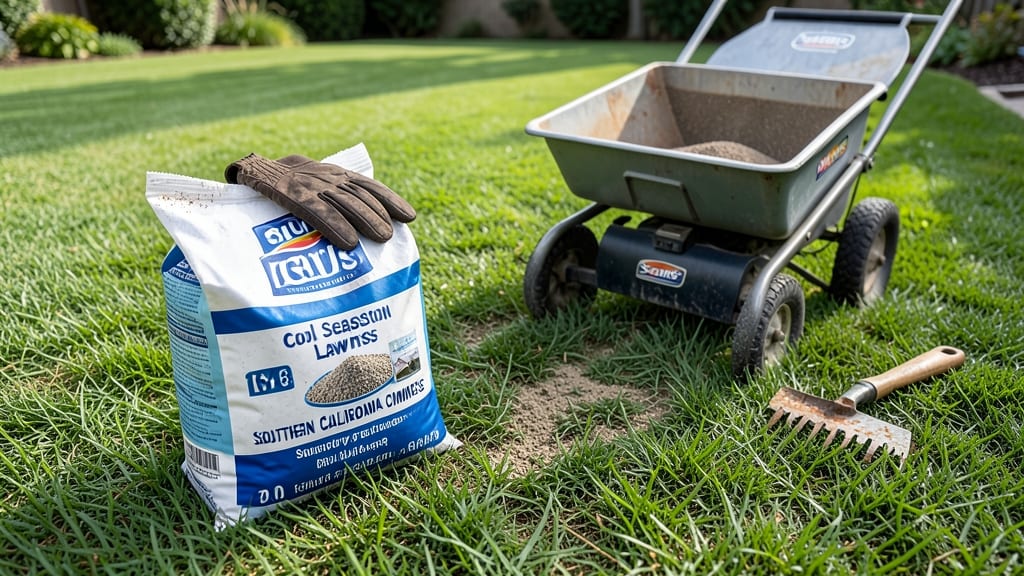
Fertilizing your Southern California lawn at the right time ensures it thrives year-round, especially with our unique Mediterranean climate and diverse grass types like Bermuda or St. Augustine.
Struggling to keep your 🌱 lush and green? Timing your fertilizer applications perfectly can make the difference between a vibrant yard and a struggling one—especially with our unpredictable weather shifts.
Most homeowners think they should fertilize their lawn every few months, but the truth is, overdoing it can burn the grass or waste money. The key is understanding when your specific grass type needs nutrients most—whether it’s a cool-season fescue or a heat-loving Bermuda.
In this guide, I’ll break down the best months to fertilize, how to adjust for drought or coastal microclimates, and what to avoid doing that could harm your lawn instead of helping it.
Optimal fertilization schedule for Southern California lawns by grass type
Southern California’s Mediterranean climate creates unique challenges for lawn care, especially when it comes to fertilization timing. Unlike northern regions, our mild winters and hot, dry summers demand a tailored approach for both cool-season and warm-season grasses.
Get it wrong, and you’ll waste money—or worse, harm your lawn. Let’s break down the best months to fertilize based on your grass type to keep your yard thriving year-round.
First, identify your grass type—whether it’s cool-season (like fescue or ryegrass) or warm-season (like Bermuda, St. Augustine, or zoysia). Each has distinct growth windows and dormancy periods that dictate when to apply fertilizer.
For example, cool-season grasses peak in fall and spring, while warm-season varieties thrive in late spring and summer. Skipping this step means missing critical growth phases.
Here’s a month-by-month guide to fertilizing your Southern California lawn, tailored for each grass type. Use this as your year-round fertilization calendar to avoid over- or under-feeding. Pro tip: Always water deeply before and after applying fertilizer to prevent nutrient burn and ensure nutrients reach the roots.
| Month | Cool-Season Grasses (Fescue, Ryegrass) | Warm-Season Grasses (Bermuda, St. Augustine, Zoysia) | Notes |
|---|---|---|---|
| January | Light feed (low nitrogen) | Dormant (skip) | Cool-season grasses wake up; warm-season grasses rest. |
| February | Light feed (low nitrogen) | Dormant (skip) | Prepare for spring growth; avoid overwatering. |
| March | Full feed (high nitrogen) | Light feed (starter fertilizer) | Peak growth for cool-season; warm-season grasses begin greening. |
| April | Full feed (high nitrogen) | Full feed (high nitrogen) | Both grass types grow rapidly; monitor for pests. |
| May | Light feed (low nitrogen) | Full feed (high nitrogen) | Cool-season grasses slow; warm-season grasses peak. |
| June | Dormant (skip) | Light feed (low nitrogen) | Hot weather stresses cool-season grasses; warm-season grasses thrive. |
| July | Dormant (skip) | Dormant (skip) | Extreme heat; reduce watering and avoid fertilizing. |
| August | Dormant (skip) | Dormant (skip) | Grasses go dormant; focus on watering deeply. |
| September |