
Lawn
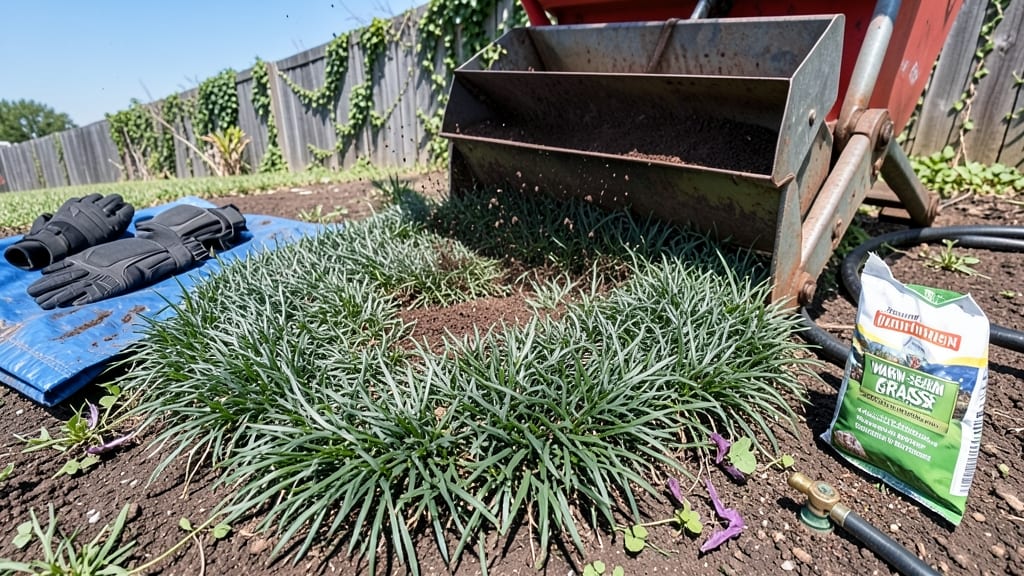
To fertilize lawns in Austin, aim for early fall (September–October) when soil temperatures drop below 80°F, and again in late winter (February) before spring growth peaks. Avoid fertilizing during extreme heat or drought to prevent stress on grass.
Timing matters more than calendar months in Austin's climate—soil temperature is the real game-changer. 🌡️ When temperatures dip below 80°F, your grass roots absorb nutrients more efficiently, leading to stronger growth.
I've seen firsthand how fertilizing in summer's heat can actually burn grass, while fall applications give roots a boost before winter dormancy. For Austin's clay-heavy soil, I recommend a slow-release fertilizer in fall to provide steady nutrition through cooler months.
Don't forget that different grass types respond differently—St. Augustine thrives with more frequent light feedings, while Bermuda grass prefers deeper, less frequent fertilization. Always water deeply after applying fertilizer to help nutrients penetrate the soil properly.
The key is balancing timing with your specific grass type and Austin's unpredictable weather patterns.
💡 In This Article
- Austin’s Soil Temperature and Fertilizer Timing Rules
- Austin-Lawn-Specific Fertilizer Types and Application Tips
Austin’s soil temperature and fertilizer timing rules
Soil temperature is the hidden factor that determines when your Austin lawn can actually use fertilizer. When temperatures stay above 80°F, grass roots become dormant to conserve moisture, making them unable to absorb nutrients effectively.
This is why late summer applications often lead to fertilizer burn—your grass is essentially starving while being forced to process extra nutrients. The magic happens when soil temps drop below 80°F in early fall, signaling roots to wake up and absorb nutrients for winter preparation. 🌡️
Here's what's actually happening at the root level: Grass roots grow best between 60-80°F soil temperatures. In Austin's climate, this window typically opens in September and remains ideal through October.
You can test your soil temperature with a simple soil thermometer (insert it 4 inches deep) or use the "DIY method"—press your hand against the soil for 5 seconds. If it feels too hot to hold comfortably, wait a few weeks.
The goal is to fertilize when roots are active but before winter dormancy begins in November.
This timing rule applies to both synthetic and organic fertilizers, but the effects differ. Synthetic fertilizers release nutrients immediately, which is why they require perfect timing—too early and you waste nutrients, too late and you risk winter damage.
Organic options like compost or slow-release granules provide nutrients over 6-8 weeks, giving you more flexibility but still requiring soil temps below 80°F for optimal uptake. I've seen Austin lawns show dramatic improvement when fertilized in this window compared to summer applications that often result in yellowed patches.
What most people don't realize is how Austin's clay-heavy soil affects this process. Clay holds moisture well but can become compacted, reducing root growth. When you fertilize at the right temperature, you're not just feeding the grass—you're encouraging roots to penetrate deeper into the soil.
This is particularly important for St. Augustine grass, which has shallow roots and benefits from fall fertilization to strengthen before winter. For Bermuda grass, the late winter application in February helps kickstart spring growth when soil temps begin climbing again.
Consider these key factors when planning your Austin fertilization schedule:
- Early Fall (September-October): Primary window when soil temps drop below 80°F and roots are actively growing
- Late Winter (February): Secondary window before spring growth peaks when soil temps rise above 55°F
- Avoid Summer: Soil temps often exceed 90°F, causing fertilizer burn and stress
- Test Your Soil: Use a thermometer or the hand test to confirm readiness before applying
The science behind this timing involves understanding how grass roots respond to temperature changes. When soil cools below 80°F, root respiration increases by up to 30%, allowing them to absorb nitrogen and phosphorus more efficiently.
This is why your fall fertilization gives grass the energy it needs to survive winter and bounce back stronger in spring. Think of it as giving your lawn a winter coat to wear—timing the application right makes all the difference. ✨