
Fertilization
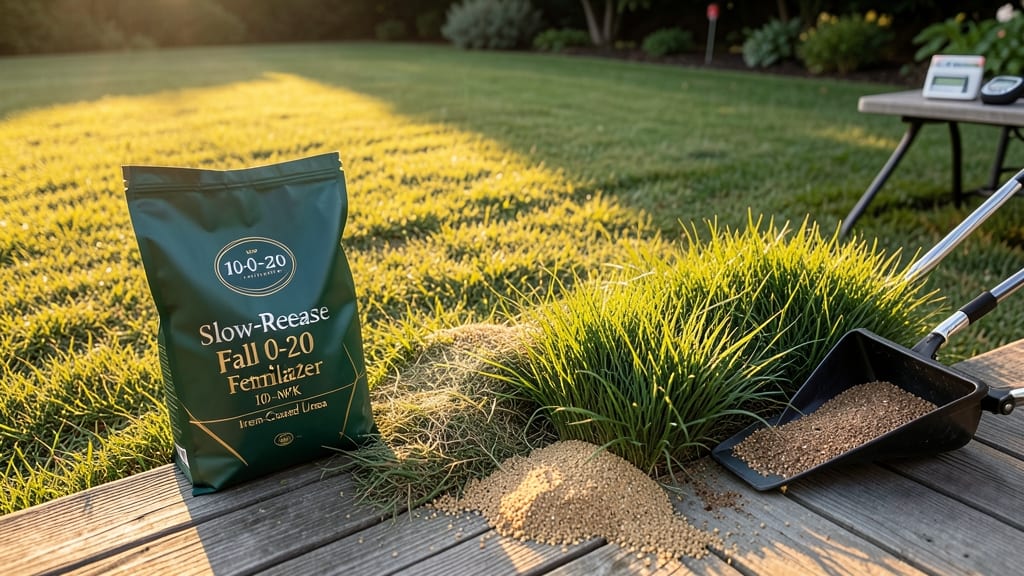
Fertilizing lawns in fall is the key to winterproofing your grass—do it too early, and you’ll waste nutrients; too late, and the roots won’t strengthen before dormancy.
Picture this: You’ve spent all summer mowing, watering, and fighting weeds, only to see your lawn thin out by next spring. The difference? A well-timed fall feeding that boosts root growth when temperatures drop to 50–65°F—the sweet spot for nutrient uptake.
But here’s the catch: Your zone matters. A northern lawn in Zone 6a needs feeding by late September, while southern grass can handle it until November. Get it wrong, and you risk burning tender roots or inviting winter weeds.
Below, I’ll break down the exact timing for your climate, plus how to pick the right fertilizer and pair it with aeration for a lawn that greets spring like a pro.

Fall fertilization timing by US hardiness zones: the perfect window
Timing your fall lawn fertilization correctly can mean the difference between a thick, green lawn next spring and wasted money on late-season burns. The ideal window falls when daytime temperatures stay between 50-65°F, allowing grass to absorb nutrients without stressing before winter dormancy.
In colder zones, this means starting as early as early September, while warmer southern regions can wait until late October or November.
Northern climates (Zones 3-6) need to fertilize 6-8 weeks before the first hard frost to give roots time to strengthen. Southern zones (Zones 7-10) have more flexibility, but avoid fertilizing when daytime temps drop below 50°F, as this can shock grass and promote winter disease.
The key is balancing root growth with dormancy preparation.
Here's your zone-by-zone breakdown with exact timing and temperature ranges:
| Zone | Ideal Month | Temperature Range | Key Consideration |
|---|---|---|---|
| 3-5 (Cold) | Early September | 50-60°F | Fertilize 6-8 weeks before frost |
| 6-7 (Temperate) | Mid-September to early October | 55-65°F | Avoid fertilizing after first frost |
| 8-9 (Warm) | Late October | 60-68°F | Use slow-release fertilizer |
| 10-11 (Hot) | November | 55-65°F | Stop fertilizing before winter rains |
For cool-season grasses like Kentucky bluegrass or fescue, aim to fertilize when grass is still actively growing but before temperatures drop below 50°F at night. In warm-season zones (like Bermuda or Zoysia), late fall fertilization helps transition the lawn into dormancy with stored nutrients.
I always check my local USDA frost dates and adjust by 2-3 weeks to be safe.
One common mistake is fertilizing too late in the season, which can lead to fungal growth or winterkill. If you miss the window, wait until early spring to fertilize instead.
Another pro tip: pair your fall fertilization with aeration 1-2 weeks before applying fertilizer to help roots absorb nutrients more efficiently.
If your lawn shows signs of thinning or yellowing by late summer, that's your cue to act sooner rather than later. For example, in Zone 5, I start fertilizing by September 1st to ensure the grass has enough time to recover before the ground freezes.
In Zone 9, I wait until after the monsoon season ends to avoid washing fertilizer away.
Always use a slow-release fertilizer in fall to prevent nutrient spikes that can burn grass. Look for a low-nitrogen ratio (like 20-0-10) to encourage root growth without promoting excessive top growth. I also recommend watering your lawn deeply after fertilizing to help nutrients penetrate the soil.
Remember, the goal of fall fertilization is to strengthen roots, not to produce rapid top growth. This prepares your lawn to outcompete weeds next spring and recover faster from winter stress. By following your zone's specific timing, you'll give your grass the best chance to thrive year-round.
🌱
Signs your lawn needs fall fertilizer: don’t wait too long
Your lawn speaks volumes before winter hits—if you know what to listen for. Thinning grass, patchy brown spots, or weeds creeping in are all red flags that your grass is running low on nutrients.
These signs mean your lawn is struggling to store energy for dormancy, leaving it vulnerable to frost damage and slow spring recovery.
Don’t ignore yellowing blades or slow regrowth after mowing, either. These are clear signals your grass isn’t getting the nutrients it needs to thrive.
Fall is the perfect time to give your lawn a nutrient boost before the ground freezes, but waiting too long means missed opportunities for deeper root development.
⚠️ callout warning
Don’t Wait Until It’s Too Late!
Applying fertilizer after the first frost won’t help—grass roots go dormant when temps drop below 50°F (10°C). Test your soil’s pH and nutrient levels now to avoid wasting money on the wrong fertilizer. DIY tip: Use a vinegar and baking soda test for pH (acidic = below 6.5, alkaline = above 7.5).
Before grabbing a bag of fertilizer, test your soil’s health. A simple DIY pH test (using a kit from your local garden center) can tell you if your lawn needs acid-loving nutrients (like iron) or lime to raise pH.
Most grasses thrive in a pH range of 6.0–7.5, but many lawns are secretly starving due to compacted soil or nutrient depletion.
Weeds like crabgrass or clover invading your lawn? That’s your grass crying for help. Weeds thrive where grass is weak, often because the soil lacks phosphorus (P) for root strength or potassium (K) for disease resistance.
A fall fertilizer with a low nitrogen (N) ratio (like 10-20-20) encourages roots to grow deeper before winter.
If your lawn feels spongy underfoot or recovers poorly from foot traffic, it’s another sign of poor root development. Healthy grass roots should penetrate 4–6 inches deep by fall.
If yours are shallow, your lawn won’t survive droughts or heavy frost. A fall fertilizer with slow-release nutrients gives roots the energy they need to thicken before dormancy.
Pro tip: Mow one last time at 2.5–3 inches tall in early fall to encourage root growth. Then, apply fertilizer when daytime temps are between 50–65°F (10–18°C)—this window varies by zone but usually falls in late August to mid-October. Miss it, and you’ll be playing catch-up next spring.