
Lawn
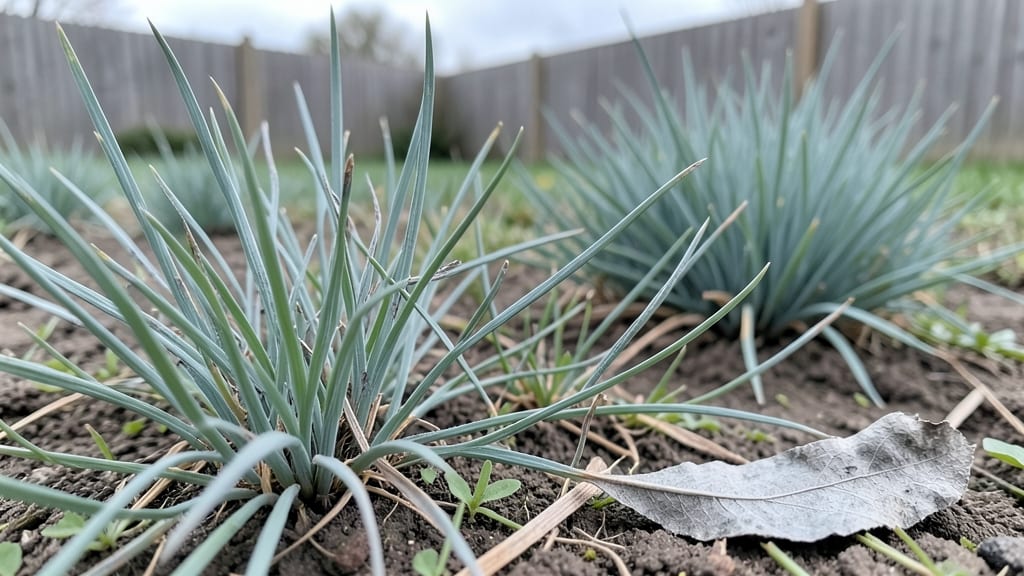
When your grass turns gray, it’s not just an eyesore—it’s a sign your lawn is struggling to stay alive. 🌱 I’ve seen this happen after a heatwave, after neglecting watering, or when hidden problems like fungus take hold beneath the surface.
The good news? Most gray lawns can bounce back with the right care, and I’ll show you exactly how to diagnose the issue first.
Gray grass usually points to one of four culprits: drought stress (when roots can’t reach moisture), fungal infections (like dollar spot or brown patch), nutrient deficiencies (especially nitrogen or iron), or even pest damage from grubs or chinch bugs.
The key is figuring out which one is affecting your lawn before jumping to treatments—because watering more won’t fix a fungus, and fertilizer won’t help if grubs are eating the roots.
Once you identify the problem, revival starts with simple fixes: deep watering in the early morning, aerating compacted soil, or applying a targeted fungicide for infections. For nutrient issues, a slow-release fertilizer can bring back that deep green within 2-3 weeks—just don’t overdo it, or you’ll burn the grass.
I’ve revived lawns from this exact state, and the results are shocking once you address the root cause.
Prevention is easier than cleanup: test your soil every 2-3 years, water deeply but infrequently, and mow at the right height (never more than 1/3 of the blade length).
If the gray spreads fast or resists treatment, it might be time to call a lawn care pro—but 90% of cases improve with these basic steps. Let’s get your lawn back to vibrant.
Why it happens
If your once-lush green lawn is now sporting patches of gray or dull grass, don’t panic—there are clear reasons behind this shift. Understanding the root causes is the first step to restoring that vibrant green.
Below, we break down the most common culprits, from environmental stressors to lawn care oversights, with actionable insights to help you diagnose the issue.
🌡️ Heat And Drought Stress
When temperatures rise and rainfall dwindles, grass struggles to stay hydrated. Graying grass is often a sign of drought stress, where the blades lose their natural green pigment due to water loss.
This happens because chlorophyll, the pigment responsible for green color, requires water to function properly. Without adequate moisture, grass blades dry out, turn brittle, and lose their vibrant hue.
- Signs: Grayish-blue or silvery tint, crispy texture, footprints remaining visible for hours.
- Actionable fix: Water deeply early in the morning (before 10 AM) to reduce evaporation. Aim for 1–1.5 inches of water per week, including rainfall. Adjust your sprinkler system to deliver water slowly and evenly, avoiding runoff.
- Pro tip: 💡 If your lawn is already gray, don’t overwater suddenly—this can shock the roots. Gradually reintroduce moisture over 2–3 days.
🍄 Fungal Infections Or Disease
Gray grass isn’t always just a lack of water—it could be a fungal infection like dollar spot, brown patch, or powdery mildew. These pathogens thrive in warm, humid conditions and can leave behind a grayish or bleached appearance on blades.
Unlike drought stress, fungal issues often spread in irregular patches and may feel velvety or powdery to the touch.
- Signs: Gray or white fuzzy growth, circular dead spots, grass that pulls up easily.
- Actionable fix:
- Improve air circulation by trimming nearby plants or bushes.
- Apply a fungicide labeled for lawn diseases (follow package instructions).
- Water in the early morning to allow foliage to dry quickly.
- Pro tip: 🌡️ Mornings are the best time to water because cooler temps reduce fungal spores’ ability to spread.
⚗️ Chemical Overload Or Nutrient Deficiency
Too much of a good thing—like fertilizer, herbicides, or even tap water with high salt content—can burn grass and strip it of its green color. Conversely, a deficiency in essential nutrients (especially nitrogen, iron, or potassium) can also lead to graying.
Nitrogen is critical for chlorophyll production, so a lack of it directly impacts color.
- Signs: Uniform graying across the lawn, yellowing between veins (iron deficiency), or brown tips (potassium deficiency).
- Actionable fix:
- Test your soil with a DIY kit (available at garden centers) to identify deficiencies.
- Apply a balanced fertilizer (e.g., 16-4-8 or 20-5-10) in early spring or fall.
- If salt buildup is suspected (common in areas with hard water), rinse the soil with fresh water.
- Pro tip: ✨ For iron deficiency, use a chelated iron supplement—it’s absorbed faster than granular iron.
🪓 Compacted Soil Or Poor Drainage
Heavy foot traffic, construction equipment, or clay-heavy soil can compact the ground, restricting root growth and oxygen flow. When roots suffocate, grass struggles to uptake water and nutrients, leading to a dull, grayish appearance. Poor drainage exacerbates this by leaving grass sitting in waterlogged conditions, which can also cause stress.
- Signs: Grass feels spongy underfoot, water pools after rain, roots appear stunted when dug up.
- Actionable fix:
- Aerate your lawn in early fall using a core aerator to create holes for air and water.
- Add organic matter like compost or peat moss to improve soil structure.
- If drainage is the issue, consider installing a French drain or grading the yard to slope away from the house.
- Pro tip: 🔥 Rent a lawn aerator or hire a pro—DIY aeration can be labor-intensive but pays off long-term.
🐛 Pest Damage Or Insect Activity
Grubs, chinch bugs, or even armyworms can silently devour grass roots and blades, leaving behind a grayish, patchy lawn. These pests weaken the grass’s ability to photosynthesize, leading to a dull appearance. Unlike fungal issues, pest damage often starts in small, irregular spots that grow larger over time.
- Signs: Gray patches that pull up easily (revealing white grubs), wilting grass, or birds pecking at the lawn.
- Actionable fix:
- Inspect the soil for grubs by digging up a small section (look for C-shaped larvae).
- Apply a grub control (like imidacloprid or beneficial nematodes) in early summer.
- Encourage natural predators like birds or toads by adding mulch or ground covers.
- Pro tip: 🎯 Early intervention is key—waiting too long can lead to bare spots that are hard to recover.
How to solve it
Reviving a lawn with dull, graying grass doesn’t have to be a mystery—just a targeted approach. Below, we’ve matched the most common causes of graying grass with practical, step-by-step fixes.
Whether your lawn is suffering from drought, poor soil, or pest damage, these solutions will help restore its lush green glow. Plus, we’ll share prevention tips to keep your grass thriving long-term.
💧 Drought or underwatering: hydrate deeply
Graying grass often signals thirst, especially in hot or dry climates. If your lawn feels dry or springs back slowly when stepped on, it’s time to water wisely.
How to Fix It: ✅ 🔥 Deep Watering Over Time – Water 1–1.5 inches per week, breaking it into 2–3 sessions (early morning is best). Avoid light sprinkles that only wet the surface. ✅ 👨🍳 Check Soil Moisture – Dig 4–6 inches into the soil. If it’s dry, increase watering. If soggy, reduce to prevent root rot. ✅ 🥘 Adjust for Grass Type – Cool-season grasses (like Kentucky bluegrass) need consistent moisture, while warm-season grasses (like Bermuda) prefer deep, infrequent watering.
💡 Pro Tip: Use a rain gauge or tuna can to measure water—eyeballing leads to over- or under-watering!
Prevention:
- Install a smart sprinkler system or soaker hoses for even coverage.
- Water before 10 AM to reduce evaporation and fungal risks.
- Consider drought-resistant grass varieties if your climate is extremely dry.
🌡️ Poor soil health: feed & aerate
Gray patches can also mean nutrient deficiency or compacted soil blocking roots from accessing water and food.
How to Fix It: ✅ 🍳 Soil Test First – Grab a DIY test kit (or send a sample to your local extension office) to check pH, nitrogen, phosphorus, and potassium levels. ✅ 🔪 Top-Dress with Compost – Spread a ¼-inch layer of compost or aged manure over the lawn, then lightly rake in. This adds organic matter and microbes. ✅ 💪 Aerate Compacted Soil – Rent a core aerator (or hire a pro) to pull small plugs from the lawn, allowing air, water, and nutrients to penetrate. Best time: Early fall or spring.
💡 Pro Tip: If your soil is too acidic (pH < 6.0), apply pelletized lime per test recommendations. For alkaline soil (pH > 7.5), use sulfur or peat moss.
Prevention:
- Overseed in fall with a high-quality grass seed mix tailored to your climate.
- Apply a slow-release fertilizer (like 16-4-8) 2–3 times per year (spring, summer, fall).
- Avoid heavy foot traffic on wet lawns to prevent compaction.
❄️ Winter burn or freeze damage: recover & protect
Cold snaps can leave grass grayish or straw-like, especially if it was dormant but stressed from drought or poor health.
How to Fix It: ✅ 🥘 Wait for Warmth – Don’t fertilize or reseed until soil temps rise above 50°F (10°C). Cold weather can burn new growth. ✅ ⏰ Mow High – Set your mower to 3–4 inches to shade roots and retain moisture. ✅ 💧 Light Watering in Drought – If the ground is bone-dry, give a light drink (¼ inch) to prevent further stress. Avoid deep soaking.
💡 Pro Tip: If more than 50% of grass is dead, consider sod replacement in spring. For patchy damage, reseeding may suffice.
Prevention:
- Avoid late-season fertilizing (stop by October in most climates).
- Use a thatch blanket in extreme winters to insulate roots.
- Choose cold-hardy grass varieties (e.g., tall fescue, perennial ryegrass).
🐜 Pests or disease: identify & treat
Graying grass can signal grubs, chinch bugs, or fungal infections like brown patch or dollar spot.
How to Fix It: ✅ 🔍 Inspect Closely –
- Grubs? Dig up a soda-can-sized patch. If you see white, C-shaped larvae, treat with beneficial nematodes or milky spore.
- Chinch Bugs? Look for small black bugs on blades. Use neem oil or insecticidal soap for light infestations.
- Fungal Issues? Grayish, mushy patches that smell musty? Reduce watering, improve airflow, and apply copper fungicide.
✅ 🍎 Natural Remedies First –
- Diatomaceous earth (for grubs/chinch bugs).
- Baking soda spray (1 tbsp/gallon water) for fungal spots.
💡 Pro Tip: Avoid chemical pesticides unless necessary—they can kill beneficial microbes and harm pollinators. Test a small patch first.
Prevention:
- Encourage natural predators (birds, toads) by keeping a wildlife-friendly yard.
- Mow regularly (never remove more than ⅓ of blade height at once).
- Clean up debris (clippings, leaves) to reduce fungal spores.
🌿 Shade or thatch buildup: optimize growing conditions
Too much shade or a thick thatch layer (½ inch+) can smother grass roots, leading to weak, graying growth.
How to Fix It: ✅ 🌳 Thin Shady Areas – Trim overhanging branches or plant shade-tolerant grass (like fine fescue). ✅ ✂️ Dethatch Carefully – Rent a thatch rake or vertical mower to remove excess buildup. Best time: Early fall. ✅ 💧 Water Longer in Shade – Shady spots dry out slower but may need more frequent, lighter watering.
💡 Pro Tip: If your lawn has persistent bare spots in shade, consider ground cover (like clover) or mulch instead of grass.
Prevention:
- Aerate annually to prevent thatch accumulation.
- Mow high (3–4 inches) to shade roots naturally.
- Avoid heavy nitrogen fertilizers in shade—they promote weak, thin growth.
Final Checklist for Revival
| Cause | Quick Fix | Prevention Step |
|---|---|---|
| Drought | Deep water 2x/week | Install rain sensors |
| Poor Soil | Compost + aerate | Test soil biannually |
| Winter Burn | Wait for warmth, mow high | Stop fall fertilizing early |
| Pests/Disease | Neem oil or nematodes | Encourage natural predators |
| Shade/Thatch | Dethatch + shade-tolerant grass | Aerate regularly |
🎯 Remember: Patience is key—reviving graying grass takes 4–6 weeks of consistent care. Start with one fix at a time (e.g., watering or aerating) to avoid overwhelming your lawn. Before you know it, that vibrant green carpet will be back underfoot! 🌱💚
Frequently asked questions
Why does my grass turn gray after mowing?
Gray grass after mowing usually means drought stress or blade damage. If your lawn was already dry, cutting it removes protective moisture layers, accelerating dehydration. Always mow when grass is dry but not wilted, and never remove more than ⅓ of the blade height at once. Water deeply afterward to revive it.
Can gray grass come back green without watering?
Possibly, but it depends on the cause. If the graying is from nutrient deficiency (like nitrogen or iron), a balanced fertilizer or chelated iron supplement can restore color in 2-3 weeks without extra water. However, if it’s drought-related, watering is essential—gray grass from dehydration won’t recover without moisture. Test your soil first to diagnose the issue.
How do I tell if gray grass is from fungus or drought?
Fungal issues (like dollar spot) often show as grayish-white fuzzy patches that spread irregularly, while drought stress appears as uniform graying with crispy texture. Pull up a small section: if roots look healthy but blades are dry, it’s drought. If roots are mushy or blades pull away easily, fungus is likely. Watering patterns also help—drought graying worsens in heat, while fungus thrives in humidity.
Will overwatering fix gray grass?
No—overwatering can worsen the problem by suffocating roots or promoting fungal growth. If your grass is gray from drought, water deeply but infrequently (1–1.5 inches per week). For fungal infections, reduce watering and improve airflow instead. Always check soil moisture: if water pools or soil stays soggy, you’re overdoing it.
How long does it take to revive gray grass?
With the right treatment, you’ll see improvement in 2-4 weeks. Drought-stressed grass recovers fastest with proper watering, while fungal issues or nutrient deficiencies may take 4-6 weeks. Patience is key—avoid over-fertilizing or overwatering, as this can delay recovery. Monitor progress and adjust your approach as needed.