
Lawn
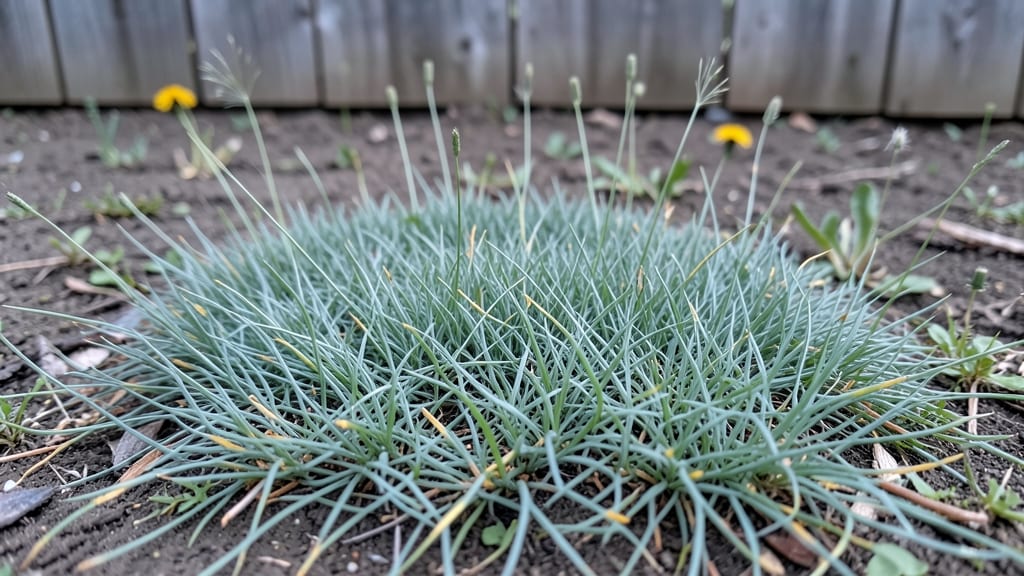
Stopping grass that runs rampant across your yard isn’t just about looks—it’s about reclaiming control without harsh chemicals.
Waking up to find your lawn looking like a wild meadow? Creeping grasses like Bermuda, Zoysia, or Clover 🌱 can spread aggressively, turning your manicured yard into an unruly jungle—without the help of pesticides. The good news? Natural solutions exist to reclaim control over your grass's unchecked growth.
This isn’t just a cosmetic issue—uncontrolled spread chokes out your desired plants, clogs drainage, and makes mowing a nightmare. But the right approach can stop it in its tracks, whether you’re dealing with stubborn rhizomes or relentless stolons.
In this guide, you’ll learn why these grasses take over, how to identify them, and five proven methods—from manual removal to organic barriers—to keep them from creeping back. No chemicals required.
Why your grass keeps spreading (and how to identify it)
Your lawn isn't just growing—it's invading. When grass spreads aggressively, it's usually due to three key mechanisms: rhizomes (underground stems), stolons (above-ground runners), or seeds that germinate uncontrollably. Understanding these helps you identify and target the problem before it takes over.
For example, Bermuda grass spreads via both stolons and rhizomes, while crabgrass relies on seeds. Each type leaves distinct clues in your yard.
Start by checking the growth patterns. Grass spreading via rhizomes will form thick, dense patches with no clear gaps, while stolon-spreading varieties like Zoysia create long, trailing runners across the lawn.
Seed-based invaders, such as nutgrass or clover, often appear in random clusters where they've germinated. Pay attention to these visual cues—they’re your first clue to the invasive culprit.
Another telltale sign is the seasonal behavior. Some grasses, like Bermuda grass, go dormant in cooler months but resurface with vengeance in spring. Others, like creeping Charlie (a broadleaf weed), stay green year-round.
Note when the spread accelerates—this helps you time interventions effectively. For instance, pre-emergent herbicides work best when applied before seeds germinate, usually in early spring.
Don’t overlook the soil conditions either. Compacted or nutrient-poor soil encourages aggressive spread because weak grass plants compensate by sending out more runners or rhizomes. If your lawn has bare spots or uneven growth, these gaps become perfect entry points for invasive grasses.
Testing your soil’s pH and nutrient levels can reveal why your grass is competing so fiercely for space.
Rhizomes are the underground "superhighways" of grass spread. These thick, horizontal stems store nutrients and send up new shoots wherever they grow. Bermuda grass and Zoysia grass are notorious for this. To confirm, dig up a small section of the lawn—if you find thick, white, finger-like roots, you’re dealing with rhizome spreaders. These grasses can penetrate sidewalks and crack driveways if left unchecked.
Stolons, on the other hand, spread above ground, creating a web-like network. St. Augustine grass and centipede grass rely on stolons to colonize new areas. Look for long, thin stems trailing across the lawn, each capable of rooting at the nodes. Stolon-spreading grasses often create a patchy, uneven look because the runners can’t always reach every inch of the yard. This makes them easier to spot—and control—than rhizome-based invaders.
Seed-based invaders, like crabgrass or dandelions, are the opportunistic troublemakers of the lawn. They pop up in weak spots, germinate quickly, and spread rapidly if conditions are right. These grasses often have distinct seed heads or broadleaf patterns that set them apart from turfgrass.
For example, nutgrass produces a nut-like seed that can lie dormant for years before sprouting.
Here’s how to diagnose specific grasses quickly:
- Bermuda grass: Short, dense, and heat-loving; turns brown in winter.
- Zoysia grass: Forms thick, dark green patches with stolons.
- Clover: Three-leaf clusters and white/purple flowers.
- Crabgrass: Weak stems and spiky seed heads.
- Nutgrass: Triangular stems and choking roots.
Warning signs to watch for include:
- Sudden patches of a different grass type.
- Thinning of your desired turfgrass.
- Grass growing into flower beds or sidewalks.
- Increased mowing frequency due to uneven growth.