
Trees
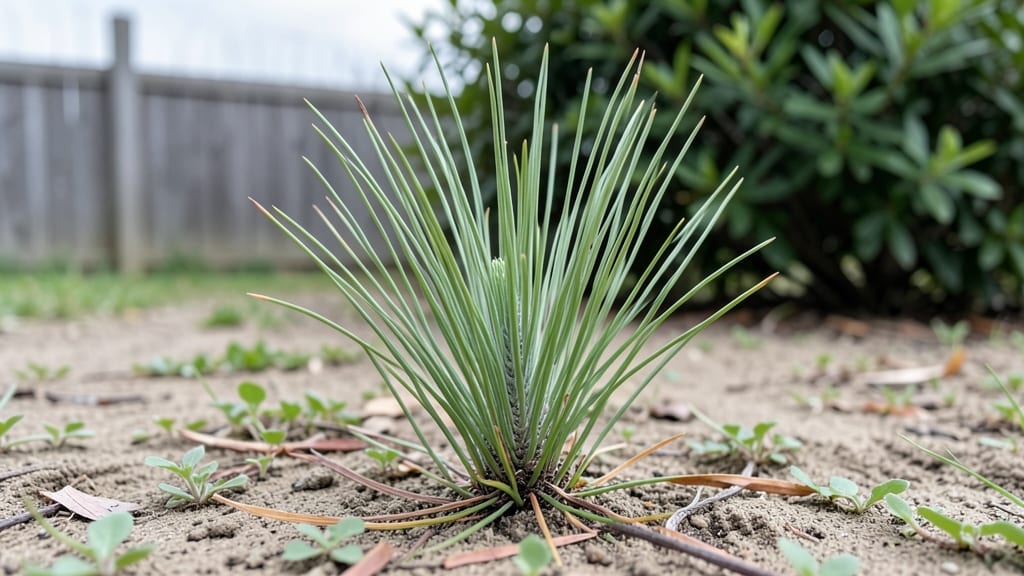
Longleaf pine seedlings go through a grass stage before their iconic needles appear, a phase that lasts months and sets the foundation for their future strength.
Picture this: you’ve just planted your saplings in the Southeastern U.S., and they look like clumps of grass instead of towering trees. That’s not a mistake—it’s biology. Skipping this stage or mistreating it could leave your 🌲 longleaf pines stunted or vulnerable to disease.
This early growth phase is all about root development and resilience. Too much water, poor soil, or competition from weeds can derail it. But with the right care—like proper spacing, light, and moisture—you’ll give your seedlings the head start they need to reach their full 70-foot potential.
Below, I’ll walk you through how to spot a healthy grass-stage seedling, what to watch for, and the simple steps to keep them thriving until those first needles break through.
What is the grass stage in longleaf pine seedlings and why it matters
The grass stage in longleaf pine seedlings is the most critical early growth phase, where young trees resemble grass-like shoots instead of developing the iconic pine needles. This stage lasts 6 to 18 months and determines whether your seedlings will survive to become towering 70-100 ft trees or wither away.
During this time, the seedling focuses all energy on establishing a deep root system rather than above-ground growth.
Understanding this phase is vital because it's when seedlings are most vulnerable to environmental stress, pests, and poor soil conditions. Many gardeners mistakenly think these grass-like shoots are weeds and remove them, only to realize too late they've destroyed potential longleaf pines.
The grass stage occurs naturally in USDA Zones 7-9, where longleaf pines thrive in the southeastern U.S.
Physiologically, the seedling prioritizes fibrous root development during this period, creating a network that can reach 3-5 feet deep by the end of the grass stage. This root system is essential for drought resistance, a key trait of mature longleaf pines.
The above-ground shoot remains thin and grass-like, often just 6-12 inches tall despite the extensive root growth happening underground.
Environmental triggers like temperature fluctuations, soil moisture levels, and light exposure all influence when a seedling will transition out of the grass stage. For example, seedlings planted in well-drained sandy soil (their natural habitat) typically progress faster than those in compacted or waterlogged soils.
The transition to needle development usually begins when the seedling senses adequate moisture and warmth, typically in late spring or early summer.
This stage matters because it establishes the seedling's long-term survival rate. Proper care during the grass stage can increase survival rates from 30% to over 70% in restoration projects.
The key is balancing moisture without overwatering, maintaining full sun exposure, and protecting against competition from weeds or other plants.
Here's what you need to know about the grass stage at a glance:
| Characteristic | Details | Key Considerations |
|---|---|---|
| Duration | 6–18 months | Longer in cooler climates |
| Appearance | Grass-like shoots (6–12" tall) | Easily mistaken for weeds |
| Root Development | 3–5 ft deep fibrous roots | Critical for drought resistance |
| Transition Trigger | Warmth + adequate moisture | Typically late spring/early summer |
| Survival Rate Impact | 30–70% (with proper care) | Poor care reduces survival drastically |
| Soil Requirement | Well-drained sandy soil | Mimics natural habitat |
| Light Needs | Full sun (6+ hours daily) | Shade slows transition out of grass stage |
The grass stage is particularly challenging because the seedlings' slow above-ground growth can be deceiving. Many gardeners assume nothing is happening when, in reality, the seedling is building a robust root system that will support decades of growth.
For example, a seedling that appears stagnant at 8 inches tall might actually have roots extending 3 feet deep, making it far more resilient than it looks.
One common misconception is that the grass stage is a sign of poor health. In reality, it's a normal physiological process that ensures the seedling can survive future droughts and nutrient-poor soils.
The transition to needle development marks the beginning of rapid vertical growth, but without a strong root system established during the grass stage, the tree will struggle to reach its 70-100 ft mature height.
Environmental factors like wildfire exposure (a natural part of longleaf pine ecosystems) can actually trigger earlier transitions out of the grass stage. Controlled burns in restoration areas often accelerate this process by signaling to the seedling that conditions are favorable for growth.
However, in cultivated settings, gardeners should avoid artificial disturbances that might stress the seedlings during this sensitive phase.
Recognizing the grass stage is crucial for timing interventions correctly. For instance, if you're planting seedlings in early spring, you'll need to monitor them closely for 12-18 months before seeing needle development.
This long timeline is why many restoration projects space seedlings 6-10 feet apart—to give them room to grow without competing for resources during this extended grass stage.
Critical care tips for grass-stage longleaf pine to prevent failure
The grass stage in longleaf pine seedlings is the most delicate phase, where proper care directly impacts survival rates. During these 6–18 months, seedlings resemble grass but are developing critical root systems and nutrient storage.
One wrong move—like overwatering or poor soil prep—can stunt growth or even kill them before they reach the needle stage. Focus on moisture balance, soil conditions, and light exposure to set them up for success.
Longleaf pines thrive in well-draining sandy soils with a pH between 4.5 and 6.0. Avoid compacted or waterlogged areas, as these can suffocate roots and invite fungal diseases.
Mulching is key, but only use organic materials like pine straw—never thick layers that block airflow or retain too much moisture. This stage is also when seedlings are most vulnerable to deer browsing and armyworm infestations, so proactive measures are essential.
⚠️ Deadly Mistake Alert: Overwatering Grass-Stage Seedlings
Longleaf pine seedlings in the grass stage cannot tolerate soggy roots. Overwatering triggers root rot and anaerobic conditions, which suffocate delicate root hairs. Water deeply but infrequently—aim for 1–2 inches every 7–14 days, adjusting for rainfall. Use a moisture meter to check soil depth; if the top 2 inches are dry, it’s time to water. Morning watering is best to reduce evaporation and fungal risks.
Light exposure is non-negotiable for grass-stage longleaf pines. These seedlings need full sun (6+ hours daily) to photosynthesize efficiently. Shade from competing vegetation or nearby trees can weaken them, making them more susceptible to pests.
If planting in a partially shaded area, supplement with grow lights or thin surrounding foliage to ensure they receive adequate sunlight. Avoid transplanting during peak summer heat, as the stress can delay needle development.
Pests and diseases are the silent killers of grass-stage longleaf pines. Watch for armyworms, which can devour seedlings overnight, and pine bark beetles, which target stressed trees. Apply neem oil or Bt spray preventatively, and inspect seedlings weekly for signs of chewing or discoloration.
Fungal threats like damping-off thrive in wet conditions, so ensure proper airflow around seedlings and avoid overhead watering.
Common mistakes often stem from misjudging mulch depth or fertilizer use. Never apply mulch deeper than 2–3 inches, as thick layers can smother roots and trap moisture. Fertilizer should be light and balanced (5-10-10 NPK), applied only in early spring.
Over-fertilizing burns tender roots, while under-fertilizing starves them. Monitor seedlings for yellowing needles or stunted growth—signs of nutrient imbalance.
Transplanting grass-stage longleaf pines too early is another pitfall. Wait until seedlings are at least 6 inches tall with a well-developed root system before moving them. Dig a hole twice as wide as the root ball and amend the soil with sandy loam to mimic their native habitat.
Water thoroughly after transplanting and provide light shade for the first week to reduce transplant shock.