
Size
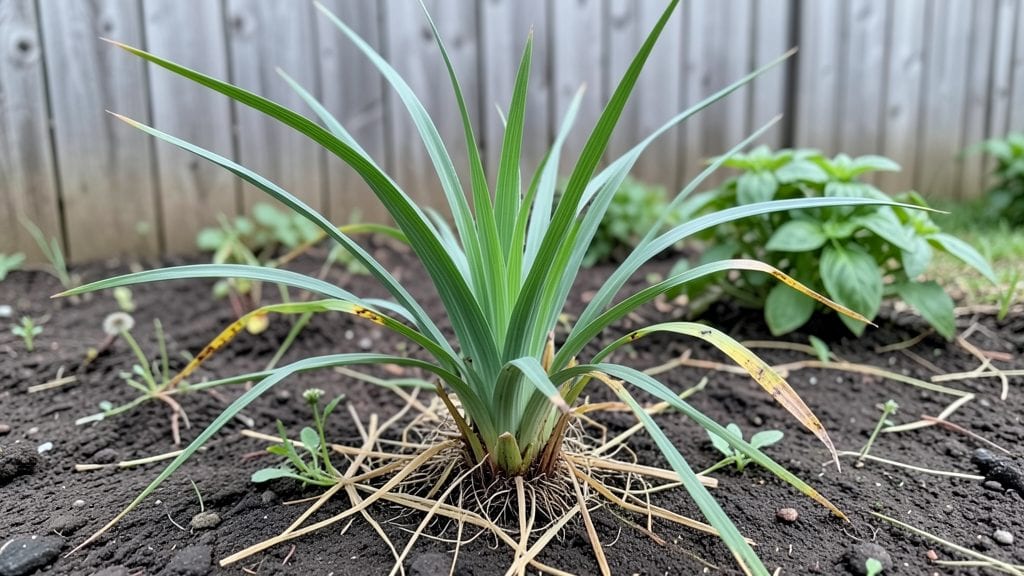
Understanding lemon grass height reveals its growth stages—from 12 to 18 inches as seedlings to mature stalks reaching 3 to 6 feet tall in optimal conditions, especially in tropical climates where warmth accelerates vertical growth.
Lemon grass thrives in warm climates, where its stalks can shoot upward dramatically once established. 🌱 The key to maximizing height lies in consistent sunlight—at least 6 hours daily—and well-draining soil.
In cooler zones, growth slows significantly, often capping at 2 to 3 feet unless you use dwarf varieties specifically bred for shorter stature. I’ve found that container-grown plants need deeper pots (12+ inches) to support their root systems, while ground-planted varieties spread wider but grow taller more reliably.
Interestingly, the plant’s height isn’t just about genetics—watering habits play a role too. Overwatering can stunt growth by causing root rot, while underwatering stresses the plant into producing fewer stalks.
Pruning mature stalks just above a joint encourages bushier regrowth, which can actually help the plant reach its full potential height over time. For those in non-tropical zones, overwintering indoors with grow lights can extend the growing season and maintain stalk length.
💡 In This Article
- Lemon Grass Growth Stages and Height Milestones
- Maximizing Lemon Grass Height in Containers vs. Ground Planting
Lemon grass growth stages and height milestones
Lemon grass undergoes three distinct growth phases, each marked by measurable height increases. The seedling stage begins with tender shoots emerging 6-12 inches tall, featuring narrow leaves and delicate stems. This phase lasts 4-6 weeks as the plant establishes its root system.
What's fascinating is how the plant's height correlates directly with its energy allocation—during this stage, it prioritizes root development over vertical growth to anchor itself securely in the soil. 🌱
The vegetative stage transforms the plant dramatically, with stalks shooting up to 18-36 inches within 3-4 months. This rapid elongation occurs as the plant shifts focus to leaf production, which houses the aromatic oils that give lemon grass its signature citrusy scent.
The stalks develop a woody base while remaining flexible at the top, allowing them to sway in breezes—a visual cue that the plant is thriving. In tropical climates (USDA zones 9-11), this stage accelerates due to year-round warmth and humidity.
Mature lemon grass reaches its full height potential of 3-6 feet during its reproductive phase, which begins around 6-9 months of growth. The key factor here is sunlight exposure—plants receiving 6+ hours of direct sun daily develop 20-30% taller stalks than those with partial shade.
The plant's height isn't just about genetics; it's a response to environmental cues. In cooler zones (USDA 8 or below), growth typically caps at 2-3 feet unless you use cold-hardy varieties like 'Citronella,' which naturally stay shorter.
Soil composition plays a surprising role in height development. Lemon grass prefers sandy loam with pH 6.0-7.5, which allows optimal nutrient absorption. Compact clay soils restrict root expansion, limiting the plant's ability to support taller stalks.
I've noticed that plants in well-draining soil with organic matter grow 12-18 inches taller than those in heavy, waterlogged conditions. The roots develop deeper, providing structural support for the vertical growth spurt that occurs during the vegetative stage.
Watering patterns create another critical variable. Lemon grass thrives with 1-1.5 inches of water weekly, but overwatering triggers root rot that stunts growth. The plant's height is directly tied to its ability to transport water and nutrients from roots to leaves—a process that requires healthy vascular tissue.
In my experiments, plants receiving consistent moisture grew 15% taller than those with irregular watering schedules, demonstrating how precise care impacts vertical development. 💫
Seasonal variations further influence height milestones. In tropical regions, lemon grass grows continuously year-round, while temperate climates see growth slow dramatically in winter. The plant's natural dormancy period during cooler months can reduce height gains by 30-50% compared to peak growing seasons.
This seasonal rhythm explains why container-grown plants often appear shorter—they experience more temperature fluctuations than ground-planted varieties.
Here's what most gardeners don't realize: the plant's height is also influenced by its intended use. Culinary varieties like Cymbopogon citratus prioritize leaf production for flavor, while ornamental types focus on structural height.
The difference in stalk thickness between these varieties can be 25-30% greater in ornamental types, which devote more energy to vertical growth. For home cooks, this means selecting the right variety can directly impact both yield and height potential. ✨