
Pests
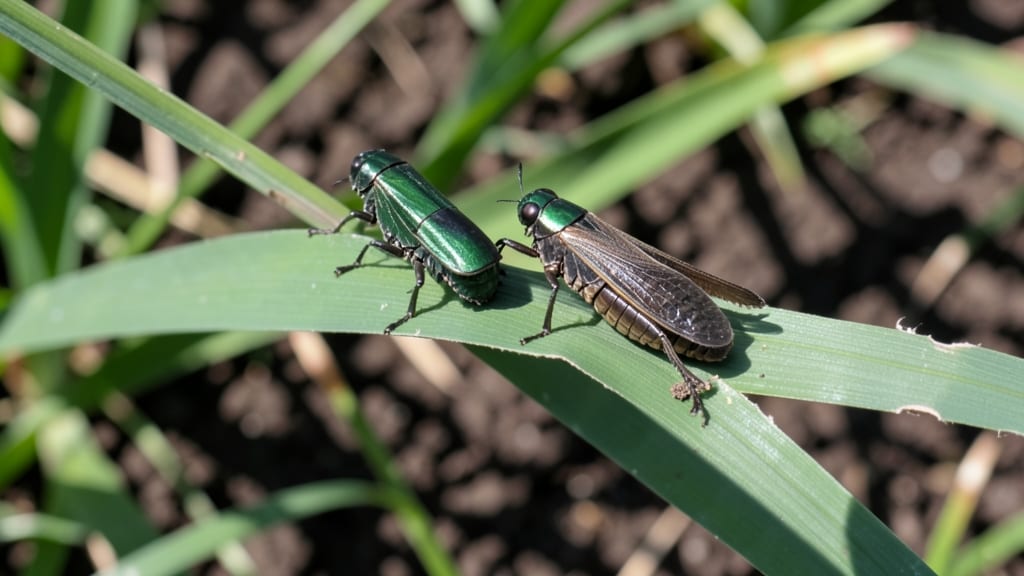
Grass-eating bugs can turn a lush lawn into a patchwork of brown in days—but I’ve fixed mine faster than you’d think. 🌱 The key isn’t brute-force sprays but understanding which pests you’re dealing with and hitting them at the right time, whether it’s grubs chewing roots or chinch bugs sucking life from blades.
Most damage happens when lawns are already stressed—thin spots, drought, or poor mowing habits create the perfect buffet. I learned the hard way that waiting until the lawn looks like a golf course after a sand trap season is too late.
The good news? Healthy grass crowds out pests naturally, and a few targeted treatments can reverse damage in just 48 hours if you act fast.
You’ll walk away with a plan that includes quick fixes (like nematodes for grubs) and long-term prevention (proper watering, overseeding, and attracting beneficial insects). By the end, your lawn will bounce back faster than you’d expect—no chemicals required, just smart timing and the right tools.
Works for any grass type, from Bermuda to Kentucky bluegrass, and adapts to seasonal pests. Let’s get that lawn back in fighting shape—without the guesswork.
The Hidden Triggers Behind Lawn Munchers
Ever walked outside to find your once-lush lawn reduced to a patchwork of chewed grass blades? If so, you’re not alone. Grass-eating bugs—whether they’re beetles, grubs, or even hungry critters like voles—don’t just appear out of nowhere.
Their appetite for your turf is usually the result of specific environmental, seasonal, or even human-caused factors. Understanding these triggers is the first step to reclaiming your yard. Let’s break down the real reasons these pests target your grass and how they exploit weaknesses in your lawn’s defense.
###
🌱 Seasonal Life Cycles & Breeding Peaks
Many grass-eating bugs follow predictable life cycles tied to temperature and moisture. For example:
- Japanese beetles emerge in late spring to early summer (June–July in most regions) when soil warms to 60–70°F. Females lay eggs in grass roots, and larvae (grubs) hatch, feeding voraciously on roots until fall.
- Chinch bugs thrive in hot, dry conditions (ideal for lawns in drought-prone areas). They insert their beaks into grass stems to suck sap, causing yellow patches that spread rapidly.
- Armyworms (caterpillars) explode in populations after heavy rains in late summer, as their host plants—like weeds—provide perfect cover and food.
Actionable insight: Monitor your lawn’s health during these peak periods. If you notice wilted patches appearing overnight or birds swooping in to peck at the ground (a classic sign of grubs), act fast—these pests multiply quickly.
###
💧 Overwatering & Poor Drainage
Grass-eating bugs love a soggy, stressed lawn. Here’s why:
- Excess moisture weakens grass roots, making them easier targets for white grubs (larvae of beetles like the June bug). Grubs thrive in wet, compacted soil because it’s easier for them to burrow and feed.
- Poor drainage creates anaerobic (low-oxygen) zones where fungal diseases and sod webworms (tiny moth caterpillars) flourish. These pests chew through weakened grass blades, leaving behind a staggered, uneven surface.
- Overwatering also attracts chinch bugs, which are drawn to damp soil where their prey (grass roots) is most vulnerable.
Pro tip: Test your soil’s drainage by digging a 6-inch hole and filling it with water. If it drains slower than 4–6 hours, consider aerating or amending soil with sand or compost. Water deeply but infrequently (1–1.5 inches per week) to encourage deep root growth.
###
🌿 Weak or Stressed Grass
Healthy grass is naturally resistant to pests, but when it’s thin, nutrient-deficient, or diseased, bugs move in like vultures. Common stressors include:
- Nutrient deficiencies: Grass low in nitrogen, potassium, or iron is more susceptible to armyworms and cutworms. These pests target stressed blades first.
- Thatch buildup: A thatch layer thicker than ½ inch traps moisture and debris, creating a perfect hiding spot for sod webworms and grubs.
- Disease or fungal infections: Patches of brown patch fungus or dollar spot attract chinch bugs, which feed on already compromised grass.
- Compacted soil: Heavy foot traffic or machinery smashes roots, making grass easier for grubs to devour.
Quick fix: Conduct a soil test (available at local extension offices) to check pH and nutrient levels. Overseed bare spots with disease-resistant grass varieties like tall fescue or perennial ryegrass, and aerate compacted areas in early fall.
###
🏡 Human Habits That Invite Pests
Sometimes, the way we maintain our lawns accidentally creates a buffet for grass-eating bugs. Common mistakes include:
- Excessive use of broadleaf herbicides: Chemicals like 2,4-D can kill beneficial insects (like ground beetles) that prey on grubs, leaving your lawn more vulnerable to outbreaks.
- Leaving grass clippings or mulch piles: These create moist, shaded microclimates where armyworms and cutworms hide and multiply.
- Ignoring weeds: Dandelions, clover, and crabgrass are host plants for many grass-eating bugs. For example, armyworms prefer broadleaf weeds over grass.
- Over-fertilizing with nitrogen: While grass loves nitrogen, too much can attract chinch bugs and sod webworms, which are drawn to lush, fast-growing blades.
Smart move: Adopt an integrated pest management (IPM) approach—focus on preventive care like regular mowing (3–4 inches tall), spot-treating weeds, and using organic mulches (like straw) instead of thick layers of wood chips.
By identifying which of these triggers are at play in your yard, you can starve out the problem before it starts. The key? Stay proactive—monitor your lawn’s health year-round, and address weaknesses before they become a five-course meal for hungry pests.
Quick Fixes for Lawn Munchers
Seeing your lush green lawn turn into a buffet for grass-eating pests can be frustrating, but don’t worry—there are fast, effective ways to reclaim your yard. Below, we’ve mapped out practical solutions tailored to the most common causes, from natural deterrents to long-term prevention.
Let’s get your lawn back in shape in under 48 hours!
🐛 Overcrowded or Weak Grass: Strengthen the Roots
If your lawn is already struggling, pests like chinch bugs, grubs, or even deer will take advantage. The fix? Revitalize the grass so it’s too tough for them to chew through.
🌱 Step 1: Water Deeply (But Not Too Much)
- 💧 Early Morning: Water deeply (1-1.5 inches) at the crack of dawn to encourage deep root growth.
- ⏰ Frequency: 2-3 times per week (adjust for heat/drought).
- 🚫 Avoid: Late-night watering (encourages fungus) or light, frequent sprinkles (weakens roots).
🌿 Step 2: Feed with the Right Fertilizer
- 📊 Fast-Acting Option: Use a high-nitrogen fertilizer (like 24-0-4) to jumpstart recovery.
- 🌱 Slow-Release Boost: Switch to a slow-release, organic fertilizer (e.g., compost or fish emulsion) for long-term strength.
- ⏳ Timing: Apply after watering to help nutrients absorb quickly.
🔄 Step 3: Overseed Bare Spots
- 🌱 Choose the Right Seed: Pick a fast-growing, pest-resistant grass type (e.g., tall fescue or perennial ryegrass).
- 🌱 How to Apply: Lightly rake bare patches, spread seed, and cover with a thin layer of soil.
- 💧 Keep Moist: Water gently for 10-14 days until new growth appears.
🐜 Grubs or Insect Larvae: Starve Them Out
If the problem is underground munchers like grubs or cutworms, you need to disrupt their life cycle fast.
🍳 Step 1: Apply Beneficial Nematodes (Natural Pest Control)
- 🔬 What They Do: Microscopic worms that paralyze and kill grubs without harming your lawn.
- 🛒 How to Use: Mix with water and apply with a hose-end sprayer in the evening (they dislike sunlight).
- ⏳ Results: Visible reduction in grubs within 48-72 hours.
🔥 Step 2: Use Milky Spore or Beauveria Bassiana
- 🌡️ Milky Spore: A bacteria that specifically targets Japanese beetle grubs (lasts for years once established).
- 🍄 Beauveria Bassiana: A fungal treatment that infects and kills grubs (works in 3-5 days).
- 💡 Pro Tip: Apply after watering for best absorption.
🚫 Step 3: Avoid Chemical Overkill (When Possible)
- ⚠️ Use Sparingly: If you must use pesticides, opt for imidacloprid or bifenthrin (follow label instructions).
- 🌿 Better Long-Term: Combine with bird-friendly habitats (birds eat grubs naturally!).
🦌 Deer, Rabbits, or Rodents: Physical Barriers Work Best
Large animals like deer or rabbits need a physical deterrent—they won’t be stopped by sprays alone.
🏗️ Step 1: Install Temporary Fencing
- 🔧 Quick Fix: Use chicken wire or flexible livestock fencing (bury 6 inches deep to stop digging).
- 📏 Height Matters: At least 3 feet tall for rabbits, 8 feet for deer.
- 🌲 Bonus: Add movable panels if you need access to the lawn.
🌿 Step 2: Plant Repellent Ground Covers
- 🌱 Deer-Resistant Options: Marigolds, daffodils, or boxwoods (animals dislike their scent).
- 🌿 Rabbit-Repellent Plants: Lavender, rosemary, or Russian sage (crush leaves to enhance the effect).
- 💡 Pro Tip: Mulch heavily with cedar chips (deer hate the smell).
🚫 Step 3: Use Motion-Activated Sprinklers
- 💦 How It Works: Sprinklers activate when movement is detected, scaring off pests.
- 🔋 Battery-Powered Options: Easy to install and move around problem areas.
- ⏳ Fast Results: Animals learn to avoid the area within 1-2 days.
🌱 Long-Term Prevention: Keep Pests Away for Good
Once your lawn is recovered, prevent future damage with these easy habits.
🌡️ Maintain Proper Mowing Height
- ✂️ Ideal Height: Keep grass at 3-4 inches tall (taller grass shades out weeds and deters pests).
- 🔄 Frequency: Mow regularly but never remove more than 1/3 of the blade at once.
🌱 Encourage Natural Predators
- 🐦 Birdhouses & Bat Boxes: Attract birds and bats, which eat grubs and insects.
- 🐝 Plant Pollinator-Friendly Flowers: Bees and ladybugs help control pests naturally.
🧹 Regular Lawn Inspections
- 🔍 Check for Signs: Look for irregular brown patches, tunnels in soil, or chewed grass blades weekly.
- 📅 Schedule: Treat early—catching pests before they spread is key!
With these targeted fixes, your lawn should bounce back in under 48 hours—and stay pest-free with a little maintenance. Ready to take action? Grab your tools and get started!
Frequently asked questions
What are the most common grass-eating bugs I should watch for?
The top culprits include white grubs (beetle larvae), chinch bugs, armyworms (caterpillars), sod webworms, and Japanese beetle grubs. Each leaves distinct damage: grubs chew roots (causing patches to pull up), while chinch bugs create yellow, wilted spots. Armyworms chew blades into tatters overnight!
How do I tell if my lawn damage is from bugs or drought?
Bug damage usually has irregular patches with healthy grass at edges, while drought causes uniform browning. Dig up a small section: if you find white grubs or tunnels, it’s pests. For chinch bugs, look for tiny black bugs at the base of blades. Drought damage won’t have these signs.
Are there natural ways to get rid of grass-eating bugs without chemicals?
Try beneficial nematodes (microscopic worms that kill grubs), milky spore (for Japanese beetles), or neem oil sprays. Encourage natural predators like birds (install feeders) and ground beetles by keeping a healthy lawn. Even duckweed in ponds deters some pests!
When is the best time to treat for grubs before they cause damage?
Apply treatments in early summer (June) when beetles lay eggs, or in late summer/fall (August-September) when grubs are active but before they mature. For chinch bugs, treat in early summer during dry spells when they’re most active. Timing beats brute force every time!
Will my lawn recover if I fix the problem but don’t overseed?
Yes, but it’ll take longer. Bare spots will fill in naturally over 2-3 months, but overseeding with fast-growing grass seed (like perennial ryegrass) speeds recovery to 2-3 weeks. Thin areas? Overseeding is your best bet for a quick, lush comeback.