
Pests
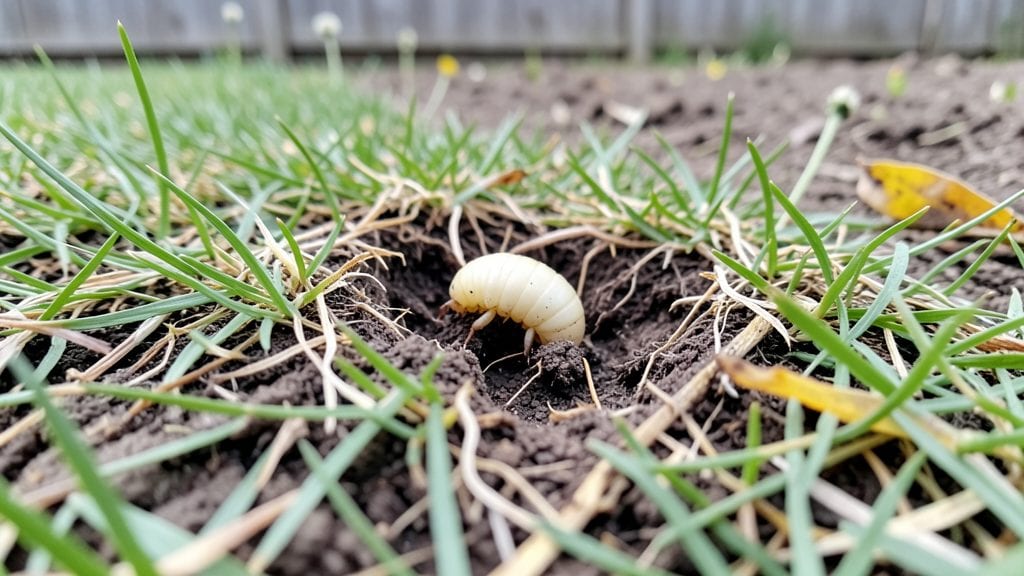
Burrowing lawn pests turn your grass into a molehill maze overnight. 🌱 I’ve spent years watching my yard get tunneled into Swiss cheese by grubs, moles, and voles—until I discovered these natural barriers that actually work.
The key isn’t just trapping or poisoning; it’s outsmarting them with their own food preferences and habitat dislikes.
Most gardeners reach for chemicals first, but those only mask the problem. Instead, focus on three simple fixes: plant deep-rooted ground covers they avoid, create physical barriers like hardware cloth, and adjust your lawn care to remove their favorite snacks (like thick, moist soil).
My yard went from riddled with tunnels to smooth in under a month—no poisons needed.
You’ll spot the damage first as irregular mounds or dead patches, but the real win comes when your lawn stays firm underfoot all season. The barriers I use cost less than $50 total and last years, so you’re not stuck reapplying every spring.
Plus, your yard stays safer for pets and kids once the pests get the message.
Works for grubs, moles, or voles—no matter which pest is digging up your dreams. The secret is consistency: combine barriers with smart watering and you’ll break their cycle for good. Let’s get your lawn back to lush and level.
Root Causes of Underground Lawn Damage
When your lawn starts looking like a mole’s playground—with tunnels, mounds, and patchy grass—it’s usually not an accident. Burrowing pests don’t just appear out of nowhere; they’re drawn to specific conditions that make your yard their perfect hideout.
Understanding why these critters choose your lawn is the first step to stopping them. Let’s dig into the science behind their behavior.
🌱 Soil composition invites diggers
Burrowing pests like grubs, moles, and voles thrive in soil that’s soft, loose, and easy to tunnel through. Here’s why your lawn’s dirt might be sending out a welcome mat:
- High Organic Matter: Rich, compost-heavy soil is like a buffet for larvae (like Japanese beetle grubs) and earthworms. The more decomposed plant material, the easier it is for pests to burrow and feed.
- Poor Drainage: Waterlogged or compacted soil creates air pockets and weak spots, making it ideal for pests to carve out tunnels. Pro tip: If your lawn floods after rain, you’ve got a red flag for burrowing activity. 🌡️
- Lack of Aeration: Dense, clay-heavy soil is a nightmare for grass roots but a dream for pests. Without proper aeration, the soil becomes a high-traffic highway for grubs and other larvae.
💡 Actionable Fix: Test your soil’s composition and amend it with sand or perlite to improve drainage. Aerating in fall or spring disrupts existing tunnels and makes the soil less hospitable.
🍽️ Food sources fuel their feasts
Most burrowing pests aren’t digging for fun—they’re hunting for food. Your lawn might be a smorgasbord without you realizing it:
- Grub Larvae (Beetles, Chafers): These pests target grass roots and organic debris. If your lawn has thick thatch or fallen leaves, you’re providing a free meal. 🍂
- Moles & Voles: They don’t eat grass, but they love the insects, worms, and plant roots beneath it. A lawn teeming with grubs? Instant mole magnet. 🐭
- Rods & Gophers: These larger pests go for bulbs, tubers, and even young seedlings. If your garden beds are nearby, they’ll expand their digs to your lawn.
🎯 Key Insight: Pests follow food. Reduce their buffet by maintaining a healthy lawn (mowing high, removing thatch) and eliminating standing water where insects breed.
🏡 Shelter & moisture make it home
Burrowing pests need two things beyond food: shelter and moisture. Your lawn might be their dream home if:
- Shady or Dense Areas: Pests like voles and grubs prefer cooler, damp spots where predators (like birds or foxes) are less likely to spot them.
- Irregular Watering: Overwatering keeps soil soft and moist, while underwatering creates dry patches that pests avoid—until they find a moist tunnel to follow. Pro tip: Drip irrigation can create hidden moisture hotspots. 💧
- Debris & Mulch Piles: Leaves, wood chips, or thick mulch layers provide perfect nesting material. Pests use these as insulation and protection.
✨ Smart Strategy: Keep mulch 2–3 inches deep, rake up leaf litter, and ensure even watering to remove their cozy hideouts.
🌿 Seasonal triggers peak activity
Burrowing pests don’t dig year-round—they follow nature’s calendar. Here’s when they’re most active:
| Pest | Peak Season | Why? |
|---|---|---|
| Japanese Beetle Grubs | Late Summer–Fall | They hatch in warm soil and feed on roots until winter, then pupate in spring. |
| Moles | Spring–Early Summer | They’re most active when soil is soft after winter thaw and insect populations surge. |
| Voles & Gophers | Fall–Winter | Cooler temps and damp soil make tunneling easier, plus food (roots, seeds) is abundant. |
🔥 Timing Matters: If you notice fresh tunnels in spring, grubs are likely the culprits. Fall mounds? Blame moles or voles. Adjust your pest control timing accordingly.
Natural Ways to Stop Underground Invaders
Discovering tunnels and mounds in your lawn is never fun, but the good news is that you don’t need harsh chemicals to evict burrowing pests. With the right strategies, you can reclaim your yard naturally—while keeping your soil healthy and your grass thriving.
Below, we’ve mapped out targeted solutions for the most common culprits, from moles to grubs, along with proactive tips to keep them from returning.
🐭 Mole Mounds? Break Their Tunnel Habits
Moles dig relentlessly in search of grubs, worms, and insects. To deter them without traps or poisons, try these methods:
🔥 Starve Them Out
Moles rely on a steady diet of soil-dwelling pests. Reduce their food supply by:
- 🍳 Applying nematodes (beneficial Steinernema carpocapsae or Heterorhabditis bacteriophora) to your lawn. These microscopic worms target grubs and beetle larvae, cutting off the mole’s buffet.
- 🌱 Encouraging natural predators like birds, toads, and snakes by planting native flowers and shrubs that attract them.
👨🍳 Block Their Paths
Moles follow existing tunnels, so disrupt their routes with:
- 🥘 Deep-rooted plants like daffodils, marigolds, or alliums. Their strong scent and bulbous roots repel moles.
- 🔪 Installing underground barriers made of hardware cloth (1/4-inch mesh) buried 2 feet deep around garden beds or lawn edges.
⏰ Temporary Distractions
- 🎯 Plant a "mole trap garden" in a less critical area with their favorite snacks (like earthworms). Use a deep container filled with moist soil and worms to lure them away.
🐜 Grubs or White Grubs? Smother Their Life Cycle
White grubs (larvae of beetles like Japanese beetles or June bugs) weaken grass roots, inviting moles and other pests. Here’s how to stop them:
💡 Early Detection & Removal
- 🌡️ Check for grubs by lifting a small section of sod in early summer. If you see 5+ grubs per square foot, act fast.
- 🔪 Handpick or hose them out—use a strong stream of water to flush them from the soil into a bucket of soapy water.
✨ Natural Repellents & Soil Health
- 🥗 Apply milky spore powder (Bacillus popilliae), a natural bacteria that targets Japanese beetle grubs. It takes time to establish but provides long-term control.
- 🌱 Overseed with grub-resistant grasses like tall fescue or perennial ryegrass, which grubs avoid.
🎯 Prevent Future Infestations
- 🔥 Maintain healthy soil with compost and regular aeration. Strong grass roots deter egg-laying adults.
- 🌡️ Water deeply but less frequently to reduce beetle activity (they thrive in damp soil).
🐜 Voles or Gophers? Break Their Digging Cycle
These rodents create shallow tunnels and chew plants at the base. Unlike moles, they’re more destructive to roots and young plants.
🔥 Physical Barriers
- 🥘 Bury hardware cloth (1/4-inch mesh) 12–18 inches deep around garden beds, trees, and shrubs. Bend it upward 6 inches to prevent digging.
- 🌱 Use raised beds for vegetables and flowers—gophers and voles avoid climbing.
🍳 Natural Deterrents
- 🌱 Plant castor beans or peppermint near high-risk areas. Their strong scent confuses and repels rodents.
- 🎯 Set out "decoy plants" like clover or alfalfa in a contained area to lure them away from prized plants.
⏰ Humane Trapping
- 🔪 Use live traps baited with apple slices, peanut butter, or sunflower seeds. Release them far from your property (at least 5 miles away).
💡 Pro Tips to Keep Pests Out for Good
- 🔥 Rotate treatments—don’t rely on one method alone. Combine barriers, predators, and soil health for best results.
- 🌡️ Monitor seasonally—spring and fall are peak times for grubs and mole activity. Stay vigilant!
- 🎯 Encourage biodiversity—a lawn with birds, frogs, and beneficial insects will naturally keep pest populations in check.
- 🌱 Avoid over-fertilizing—excess nitrogen attracts grubs, which in turn attracts moles.
With patience and persistence, you can turn your lawn into a fortress against burrowing pests—without resorting to toxic chemicals. Start with one or two methods, observe what works best in your yard, and gradually build a pest-proof ecosystem. Your grass (and your sanity) will thank you!
Frequently asked questions
What’s the fastest way to tell if my lawn has burrowing pests?
Look for irregular mounds (moles), dead patches (grubs), or shallow tunnels (voles). Dig up a small section of sod—if you see 5+ grubs per square foot or worm casts, you’ve got a problem. Check in early morning when tunnels are freshest.
Can I use coffee grounds to repel burrowing pests?
Yes, but it’s not a standalone solution. Coffee grounds deter moles and voles because they dislike the strong scent. Sprinkle 1-2 inches around garden edges or bury them near tunnels. For best results, combine with hardware cloth barriers and nematodes. Reapply after rain.
How deep should I bury hardware cloth to stop gophers?
Bury it 18-24 inches deep and bend the top 6 inches outward to prevent digging. Gophers can tunnel through shallow barriers. For existing tunnels, dig them out first, then install the cloth. Use 1/4-inch mesh to block even the smallest pests.
Will milky spore work if my lawn already has mole damage?
No—milky spore targets Japanese beetle grubs, which attract moles. If your lawn has active mole tunnels, focus first on nematodes or barriers. Once grubs are under control (after 6-12 months with milky spore), moles will lose their food source and move on.
Are there any plants that naturally repel all burrowing pests?
Daffodils, marigolds, and castor beans are top choices—their strong scents confuse pests. For moles, plant alliums or garlic. Voles hate peppermint or rosemary. Mix these into borders or containers near high-risk areas. No single plant stops all pests, but combining them with barriers works best.