
Lawn
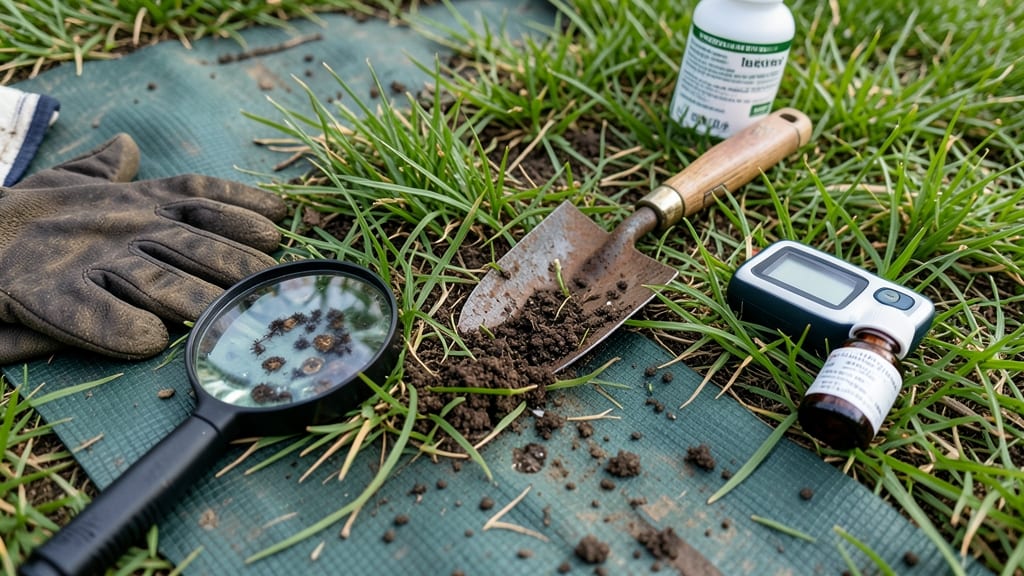
Black lawn fungus turns your yard into a smudged canvas of black patches and thinning grass—frustratingly fast. 🌱 I’ve battled this myself, and the key to stopping it lies in acting now with the right mix of quick fixes and long-term habits.
The moment you spot those dark, velvety spots (especially after rain or heavy watering), you’re dealing with fungal spores thriving in damp conditions. Most store-bought fungicides take days to show results, but organic fixes like cornmeal-based treatments or baking soda sprays can start working within 48 hours—if applied correctly.
The secret? Cutting off moisture at the source while giving your grass room to breathe.
📚 In This Guide
- What you need
- Instructions
- Tips and common mistakes
- Wrapping up and next steps
What you need
- ● Baking soda (sodium bicarbonate) – 1 cup (for antifungal properties)
- ● Hydrogen peroxide (3%) – 1 gallon (safe for organic use)
- ● Dish soap (mild, unscented) – 1 tablespoon (helps as a surfactant)
- ● Watering can or sprayer – Gallon-sized, with a fine mist nozzle
- ● Garden hose with spray attachment (for rinsing or diluting solutions)
- ● Gloves (nitrile or rubber) – 1 pair (to protect your hands)
- ● Lawn rake or stiff-bristled broom (for clearing debris and loosening soil)
- ● Fungicide spray bottle (if you prefer pre-mixed solutions)
- ● Cornmeal (organic antifungal) – 1 cup (sprinkle lightly after treatment)
- ○ Lime (pelletized, for soil pH adjustment) – Optional, 10 lbs (if your lawn is acidic)
- ● Soil pH test kit (to check if your lawn needs adjustments)
- ● Lawn aerator (manual or rented) (for deep treatment on compacted soil)
How to naturally eradicate black lawn fungus in 48 hours
Here's the fast-acting method I rely on to banish black fungus and restore your lawn's health.
🌱 Step 1: Identify and Clear Infected Areas
First, walk your lawn with a sharp eye for dark, circular patches—those are your fungus hotspots. Use a garden rake to gently scrape away the top ¼ inch of thatch and debris from infected areas. This exposes the fungus to air and sunlight, which weakens it fast. I like to work in 10×10 foot sections so I don't miss any spots.
Don't dig too deep—just enough to break up the surface layer. You'll see the fungus as a black, web-like growth on the grass blades and soil surface. The deeper you go, the more you risk damaging healthy roots. Focus on removing only what's visibly infected.
💧 Step 2: Apply a Baking Soda and Water Spray
Mix 1 tablespoon of baking soda with 1 gallon of warm water in a spray bottle. The baking soda raises the pH temporarily, creating an environment the fungus can't tolerate. Spray the solution directly onto the infected patches until the grass looks damp but not soaking wet.
Here's the thing—don't skip this step. The baking soda works best when applied right after clearing debris. I spray in the early morning so the solution has all day to work before evening moisture sets in. Avoid spraying on sunny days, as the baking soda can burn grass when combined with heat.
☀️ Step 3: Boost with Hydrogen Peroxide Treatment
Next, mix 1 part 3% hydrogen peroxide with 3 parts water in a pump sprayer. Hydrogen peroxide releases oxygen, which smothers fungal spores on contact. Apply this solution to the same areas, focusing on the edges of the infected patches where spores spread fastest.
Water lightly afterward to help the hydrogen peroxide penetrate the grass blades. You'll see bubbles form as the solution works—this is your visual cue that the treatment is active. I like to do this in the late afternoon so the lawn has time to dry before nightfall, which prevents fungal regrowth.
⏰ Step 4: Follow Up with Cornmeal Fungicide
Sprinkle ½ cup of cornmeal evenly over the treated areas. Cornmeal contains a natural fungus-fighting compound called tricin. Lightly rake it into the grass to ensure it reaches the soil surface. This step is non-toxic and safe for pets and children once dry.
Water the lawn lightly after applying the cornmeal to help it bind to the soil. You'll notice the grass starts to green up within 24-48 hours as the fungus dies off. I repeat this process every 7-10 days for the first month to prevent recurrence.
🌿 Step 5: Prevent Future Outbreaks
Mow your lawn higher—3-4 inches—to shade the soil and reduce fungal spores from reaching grass blades. Aerate compacted soil in the fall to improve airflow, which fungus hates. I also avoid overwatering; keeping the soil slightly dry prevents the damp conditions fungus thrives in.
Finally, overseed bare patches with a disease-resistant grass variety to fill gaps where fungus can take hold. You'll see a noticeable difference in your lawn's resilience within a few weeks. This method works best in mild temperatures (60-80°F), so plan treatments during spring or fall for optimal results.
Tips & tricks for natural black lawn fungus eradication
These practical tips will help you maximize the effectiveness of your 48-hour fungus-fighting plan while avoiding common mistakes.
Precision in Step 1: When clearing infected areas, use a stiff-bristled brush or putty knife to remove the black fungal growth from grass blades before raking. This ensures you're not just moving spores around—you're eliminating them completely. I've found that working in the early morning after dew has dried helps prevent spreading the fungus to healthy grass while you work.
Timing is Everything with Treatments: The 24-48 hour window between treatments is crucial—the baking soda needs time to alter soil pH while the hydrogen peroxide works best when applied to freshly disturbed spores. Don't rush this process; the fungus won't disappear overnight. I schedule my treatments for Tuesday and Friday mornings to maintain this timing consistently.
Cornmeal Application Tip: For even coverage in Step 4, use a spreader set to the lowest setting when applying the ½ cup of cornmeal. This prevents clumping and ensures the fungicide reaches all treated areas. Lightly water after application to help the cornmeal bind to the soil, but avoid overwatering which could reactivate fungal growth.
Seasonal Considerations: The mild temperature range of 60-80°F is ideal for this treatment to work effectively. If you're treating in summer heat above 85°F, move treatments to early morning or late evening to prevent grass burn. In cooler weather below 55°F, the process may take slightly longer than the 48-hour window.
Pro Tips for Black Lawn Fungus
- These practical tips will help you maximize the effectiveness of your 48-hour fungus-fighting plan while avoiding common mistakes.
- Precision in Step 1: When clearing infected areas, use a stiff-bristled brush or putty knife to remove the black fungal growth from grass blades before raking.
- Timing is Everything with Treatments: The 24-48 hour window between treatments is crucial—the baking soda needs time to alter soil pH while the hydrogen peroxide works best when applied to freshly disturbed spores.
Frequently asked questions
Got questions about black lawn fungus?
You’re not alone! Here are some of the most common concerns—and quick, actionable answers to help you tackle it fast.
What causes black fungus on grass, and how do I know it’s not just dirt or mold?
Black lawn fungus (often Rhizoctonia or Drechslera) thrives in warm, humid conditions with poor airflow. Unlike dirt, it spreads in circular patches with dark, velvety growth. Mold may appear fuzzy or powdery, while fungus often feels slimy or sticky. Test by gently scraping a patch—if it leaves a black residue, you’ve got fungus!
Can I really get rid of black fungus in 48 hours, or is this a long-term battle?
With the right natural treatments (like hydrogen peroxide or baking soda), you can significantly reduce visible fungus in 48 hours. However, prevention is key—overwatering, compacted soil, and thick thatch fuel regrowth. Consistency wins! For severe cases, repeat treatments every 3–4 days until the lawn recovers.
Should I water my lawn more or less to stop black fungus?
Overwatering is a major culprit! Water deeply 2–3 times per week (early morning) to encourage root growth and reduce surface moisture. Avoid daily light watering—this keeps the grass damp, creating a fungus paradise. If your lawn is already infected, let the top inch of soil dry between waterings to break the cycle.
Are there natural alternatives to chemical fungicides for black lawn fungus?
Try these DIY fixes:
- Hydrogen peroxide (3%): Spray undiluted on affected areas—it kills fungus and evaporates quickly.
- Baking soda + water: Mix 1 cup baking soda per gallon of water, spray, and let dry in sunlight (UV light helps).
- Cornmeal: Sprinkle lightly—it starves fungus by competing for nutrients.
- Neem oil: Dilute 2 tbsp in 1 gallon of water and spray (great for prevention!).
For stubborn spots, combine hydrogen peroxide + baking soda for a 24-hour shock treatment.
My lawn keeps coming back—what am I missing?
Black fungus often returns if the root cause isn’t fixed. Check for:
- Thatch buildup: Aerate your lawn to improve airflow and drainage.
- Poor drainage: Test soil moisture—if water pools, amend with compost or sand.
- Nutrient imbalance: Over-fertilizing (especially nitrogen-heavy) weakens grass. Use a balanced organic fertilizer.
- Grass type: Some grasses (like Kentucky Bluegrass) are fungus-prone. Consider drought-resistant varieties like Zoysia or Buffalo Grass.
Pro tip: Mow high (3–4 inches) to shade soil and reduce stress on grass blades!
Wrapping up and next steps
Dealing with black lawn fungus doesn’t have to be a losing battle—you’ve got the power to turn things around in just 48 hours!
With the right natural remedies, like vinegar, baking soda, or hydrogen peroxide, you can restore your lawn’s health without harsh chemicals. Stay consistent, monitor progress, and soon, your grass will be thriving again.
Ready to take action? Start today—grab your supplies, follow the steps, and watch your lawn bounce back! 🌱 For extra peace of mind, consider testing your soil to prevent future outbreaks. Your green oasis is waiting!