
Lawn
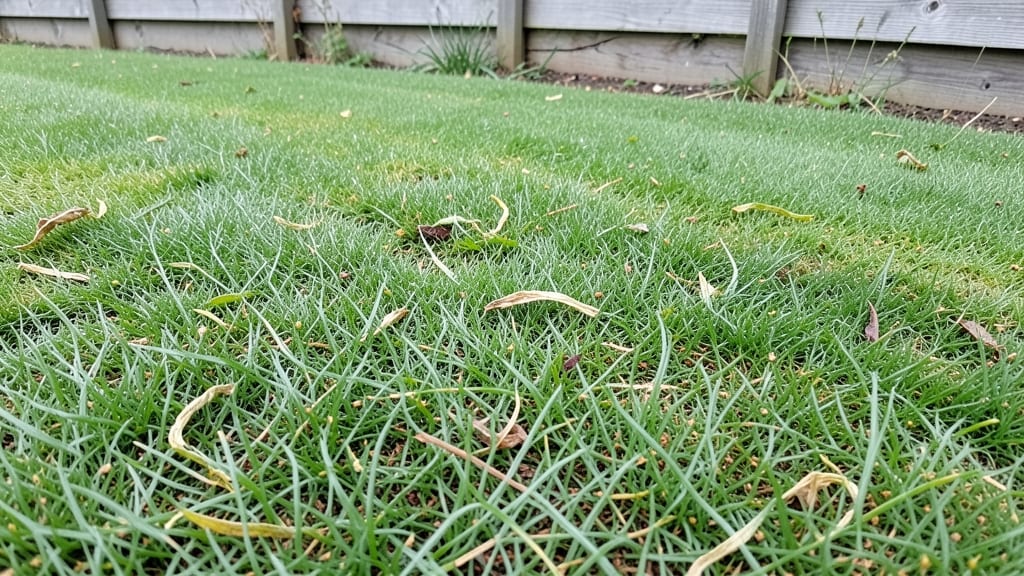
Cutting grass too short ruins more lawns than people realize—thin patches, weeds, and brown spots that look like you gave up. I’ve seen firsthand how scalping your turf turns a lush carpet into a sad, patchy mess within weeks.
The good news? It’s fixable, and the right mowing height keeps your lawn looking effortlessly perfect without the struggle.
Most people don’t realize their lawns need 3 to 4 inches of height to stay healthy. When you cut too low, you expose the roots to sunburn, stress the grass, and leave gaps for weeds to move in.
I’ve recovered lawns from this by adjusting my mower, watering deeper, and letting the grass grow taller before mowing again—it’s like giving your lawn a second chance.
Here’s the secret: raise that mower blade and mow only when the grass grows 1/3 taller than your desired height. You’ll see thicker blades, fewer weeds, and a lawn that stays green even in dry spells.
The key is consistency—skip the weekly trim and focus on feeding your grass the right way.
If your lawn’s already suffering, don’t panic. Overwatering and proper fertilization can bring it back in 4 to 6 weeks, but prevention is easier.
Once you master the right height and routine, your lawn will handle heat, drought, and foot traffic like a pro—no more brown patches or weed battles.
Understanding The Root Causes
When your lawn looks like it’s been trimmed too aggressively—leaving behind a patchwork of uneven, stubbly grass—it’s rarely just a random mowing mishap. Several key factors contribute to this common lawn woe.
Let’s break down the science and mechanics behind why grass ends up cut short, so you can avoid it (or fix it) with confidence.
⚙️ Mower blade & height settings gone wrong
Your mower is the primary culprit if your grass is unevenly trimmed. Here’s how it happens:
- Blunt or uneven blades: Dull blades tear grass instead of making clean cuts, leaving jagged ends that look (and grow) unevenly. A sharp blade severs cleanly, promoting healthier regrowth. Test: If your grass looks frayed after mowing, your blades need sharpening.
- Incorrect cutting height: Setting the mower too low forces the blade to scalp the grass, while inconsistent height settings create a patchwork effect. Most grasses thrive when cut at 1/3 of their mature height—never lower than 2 inches for cool-season grasses or 1.5 inches for warm-season varieties.
- Worn or damaged deck: The mower deck (where the blade sits) can warp over time, causing uneven pressure on the grass. This leads to some areas being cut shorter than others. Fix: Check for wobble or gaps between the deck and grass.
💡 Pro Tip: Always adjust your mower height before mowing. Never lower it mid-session—this causes abrupt changes in cut length.
🌱 Grass growth patterns & species differences
Not all grass grows at the same rate or responds to mowing the same way. These biological factors play a huge role:
- Fast vs. slow growers: Cool-season grasses (like Kentucky bluegrass) grow aggressively in spring and fall, while warm-season grasses (like Bermuda) slow down in cooler months. Mowing too frequently when growth is rapid can lead to scalping.
- Thatch buildup: A thick thatch layer (dead grass roots) can prevent even blade contact, causing some areas to be cut shorter than others. Solution: Aerate annually to reduce thatch.
- Shade vs. sun exposure: Grass in shady areas grows slower and may appear shorter due to less sunlight, while sun-exposed grass grows taller. This natural disparity can make your lawn look uneven if you don’t account for it.
🌡️ Science Note: Grass grows fastest when soil temperatures are between 60–85°F. Adjust mowing frequency based on seasonal growth cycles.
👨🌾 Human error & mowing habits
Even the best equipment can’t fix poor technique. These mistakes are the #1 reason grass gets cut short:
- Mowing too frequently: Cutting grass more than 1/3 of its height at a time stresses the plant, leading to weak, uneven regrowth. Rule of thumb: Never remove more than ⅓ of the leaf blade in one session.
- Turning on slopes: On hilly lawns, turning the mower while on an incline can cause the blade to dig into the grass, leaving uneven strips. Fix: Mow in straight lines up and down the slope, never side-to-side.
- Skipping the "one-third rule": If you let grass grow too tall before mowing, you’re forced to cut it aggressively to "catch up," which scalps the lawn. Prevent: Mow regularly to maintain consistent height.
- Using the wrong mower type: Push mowers (especially reel mowers) require precision, while self-propelled or robotic mowers can override your height settings if not adjusted properly.
✨ Expert Hack: For large lawns, use the "staggered mowing" technique—divide the yard into sections and mow each at a slightly different time to avoid overworking the grass.
🌧️ Weather & soil conditions
Mother Nature doesn’t always cooperate, and extreme conditions can make grass more vulnerable to uneven cutting:
- Drought stress: Dry, hard soil prevents grass from standing upright, causing the mower to cut unevenly. Solution: Water deeply before mowing to plump up the blades.
- Heavy dew or wet grass: Mowing damp grass clumps together, leading to uneven cuts and potential clogging. Wait: Mow when grass is dry to the touch.
- Compacted soil: Areas with foot traffic or heavy equipment may have compacted soil, causing grass to grow shorter and weaker. Fix: Aerate and overseed to even out growth.
📊 Data Point: Grass grows 40% slower in drought conditions, making it more susceptible to scalping when mowed.
Fixing Uneven or Patchy Grass
If your lawn has areas where the grass is cut short—whether from inconsistent mowing, uneven growth, or damage—don’t worry. With the right approach, you can restore a lush, level look. Below are targeted solutions for common causes, along with prevention tips to keep your lawn looking sharp.
🔥 Fixing Uneven Growth from Mowing Mistakes
If your grass is cut short in patches due to mowing errors, the solution starts with adjusting your technique and equipment.
🔧 Adjust Your Mower Settings
- Raise the blade height gradually—never cut more than ⅓ of the grass blade at once. This prevents stress and promotes even regrowth.
- Use a sharp mower blade (dull blades tear grass instead of cutting cleanly). A sharp blade = healthier grass.
- Mow in multiple directions (e.g., first pass lengthwise, second pass crosswise) to avoid tire tracks and uneven patterns.
🌱 Overseed Thin or Bald Spots
- When to do it: Early fall or spring, when soil is moist and temperatures are mild.
- How to overseed:
- Loosen soil with a rake or core aerator.
- Spread high-quality grass seed (match it to your existing grass type).
- Lightly cover with straw or compost to retain moisture.
- Water daily until germination (about 10–14 days).
💡 Pro Tip:
If your lawn has bare spots, test your soil’s pH and nutrients. A simple soil test kit (available at garden centers) will tell you if you need lime (for acidic soil) or fertilizer (for nitrogen deficiency).
🍳 Reviving Grass Damaged by Foot Traffic or Pets
High-traffic areas or pet urine can leave grass yellow, thin, or cut short from stress. Here’s how to nurse it back to health.
👨🍳 Reduce Stress on Damaged Areas
- Limit foot traffic on recovering patches—walk on paths or use stepping stones.
- Dilute pet urine by training pets to urinate on gravel or mulch instead of grass.
- Water deeply (1–1.5 inches per week) to encourage root growth.
🌿 Apply a Light Fertilizer
- Use a slow-release, organic fertilizer (like compost or bone meal) to strengthen roots.
- Avoid high-nitrogen fertilizers—they promote top growth but weaken roots in stressed grass.
🔥 Spot-Treat with Grass Seed or Sod
- For small patches, sprinkle grass seed and cover with a thin layer of soil.
- For large bare spots, lay sod (pre-grown grass) for instant coverage.
⏰ Preventing Future Issues
Once your lawn is back in shape, keep it looking uniform with these long-term strategies:
📊 Mowing Like a Pro
- Never mow when grass is wet—it clumps and leaves uneven cuts.
- Change mowing patterns weekly to prevent soil compaction.
- Leave grass clippings (they act as natural fertilizer).
🌡️ Maintain Soil Health
- Aerate annually (especially in clay or compacted soil) to improve water and nutrient absorption.
- Top-dress with compost in early spring to boost organic matter.
✨ Choose the Right Grass Type
- Cool-season grasses (like Kentucky bluegrass or fescue) handle foot traffic better.
- Warm-season grasses (like Bermuda or Zoysia) recover faster in heat but need more water.
With these fixes, your lawn will go from patchy and uneven to smooth, green, and professional in no time. Consistency is key—stick to a regular maintenance schedule, and you’ll enjoy a flawless yard year-round!
Frequently asked questions about short grass care
Why does grass turn brown when cut too short?
Cutting grass too short exposes the roots to sunlight, which burns them and stresses the plant. This causes the blades to turn brown as the grass struggles to recover. Most grasses need 3-4 inches of height to stay healthy—never scalp below 2 inches for cool-season varieties or 1.5 inches for warm-season types.
How often should I mow to avoid short grass?
Mow when the grass reaches ⅓ of its mature height—typically every 7-10 days in growing season. Never remove more than ⅓ of the blade at once, or you'll weaken the grass and invite weeds. Adjust frequency based on growth speed (spring/fall = more often).
Can I fix grass that's already been cut too short?
Yes! Raise your mower blade immediately to 3-4 inches and avoid mowing for 4-6 weeks to let the grass recover. Water deeply (1-1.5 inches per week) and apply a light organic fertilizer to strengthen roots. Overseed bare patches in early fall for best results.
What's the best mower setting for thick, healthy grass?
Set your mower to the highest recommended height for your grass type (check the manufacturer's guide). For most lawns, 3-4 inches is ideal—this encourages deeper roots and shades out weeds. Never lower the blade mid-session, as this creates uneven patches.
Will leaving grass clippings help prevent short grass?
Grass clippings act as natural fertilizer, returning nutrients to the soil. When properly recycled, they can reduce the need for additional fertilizer by up to 25%. Just make sure your mower has a mulching setting to chop clippings finely. This promotes even growth and reduces the risk of uneven cutting.