
Lawn
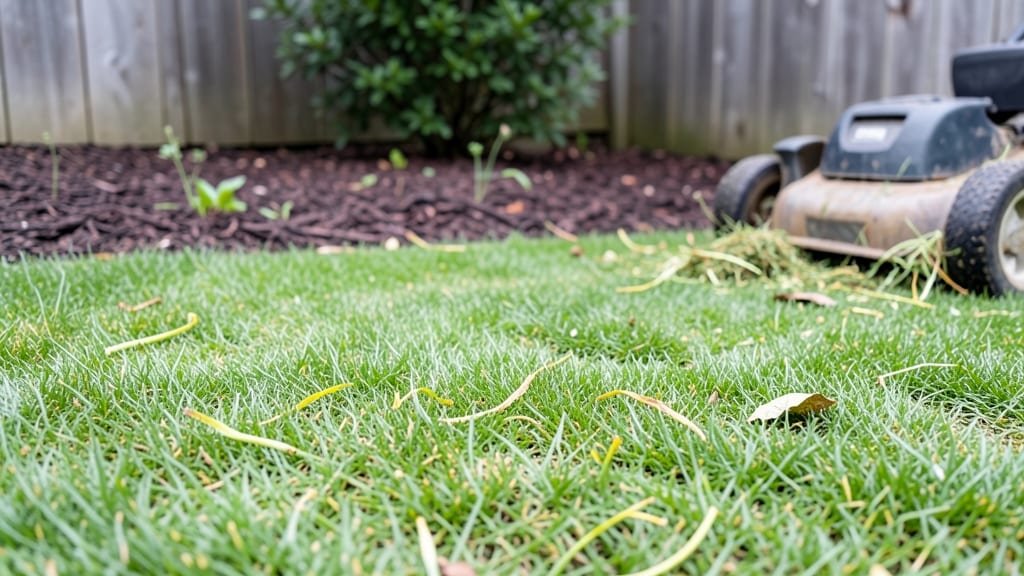
Cutting lawn short weakens grass roots, stresses turf, and increases drought vulnerability, so mow no lower than 2–2.5 inches for cool-season grasses or 1–1.5 inches for warm-season varieties. Always remove no more than one-third of the blade height at once to prevent shock and promote recovery.
Short mowing forces grass blades to work harder for sunlight, which can stunt root growth and leave your lawn more vulnerable to heat and dry spells. 🌱 I’ve seen firsthand how even a half-inch difference in height can mean the difference between a lush lawn and one struggling to bounce back.
The key is consistency—adjusting your mower height seasonally and never taking more than a third of the blade at once helps maintain that balance between appearance and health.
For example, Kentucky bluegrass thrives at 2.5–3 inches in summer to shade out weeds, while Bermuda grass does better at 1–1.5 inches when temperatures rise. The right height isn’t just about looks; it’s about giving your grass the best chance to fight off pests, retain moisture, and recover from stress.
💡 In This Article
- Optimal Grass Height by Season and Type
- Recovering Grass After Over-Mowing Damage
Optimal grass height by season and type
The right mowing height depends entirely on your grass type and climate. Cool-season grasses like Kentucky bluegrass and tall fescue grow best at 2.5–3.5 inches during summer months, while warm-season varieties such as Bermuda and Zoysia thrive at 1–1.5 inches when temperatures peak.
The difference comes down to their natural growth patterns—cool-season grasses develop deeper root systems to survive winter, while warm-season types focus on rapid above-ground growth during heat. 🌿
Here’s how height impacts your lawn’s resilience: taller grass shades soil better, reducing moisture loss during droughts.
A 3-inch blade on Kentucky bluegrass can block up to 90% of sunlight from reaching weeds, whereas cutting Bermuda too short (below 0.5 inches) exposes the soil to weeds and heat stress.
The rule of thumb is that each grass type has a "sweet spot" where photosynthesis, root growth, and weed suppression align—usually 1–2 inches taller than what most homeowners instinctively aim for.
Seasonal adjustments are critical. In spring, when cool-season grasses wake from dormancy, raise your mower blade to 3–3.5 inches to encourage root expansion. By late summer, when growth slows, you can drop it to 2–2.5 inches without risk.
Warm-season grasses follow the opposite pattern—start at 1.5–2 inches in spring and trim to 0.5–1 inch by summer’s end. This seasonal dance prevents shock while keeping your lawn competitive against weeds and pests.
Disease prevention ties directly to height. Fungal infections like brown patch thrive in thick, wet turf cut too short, while taller grass allows air circulation. I’ve seen dollar spot fungus wipe out a lawn cut at 1 inch during humid weather—yet the same grass at 2.5 inches remained unaffected.
The extra blade height acts as a natural barrier against moisture retention in the thatch layer.
Weed suppression works similarly. Crabgrass, a common warm-season weed, needs bare soil to germinate. Keeping Bermuda at 1–1.5 inches creates a dense mat that blocks sunlight, while cool-season grasses like ryegrass benefit from 3-inch heights to outcompete clover and chickweed.
The taller the grass, the less opportunity weeds have to establish themselves.
One common mistake is assuming "shorter = easier maintenance." In reality, frequent mowing to keep grass at 0.5 inches stresses the plant, leading to thinner turf and more frequent repairs. The one-third rule—never removing more than one-third of the blade height per cut—applies year-round.
For example, if your fescue stands at 3 inches, never cut below 2 inches in a single session, or you’ll invite brown patches and slow recovery.
Pro tip: Adjust your mower blade height in 0.25-inch increments—small changes make a big difference in turf health. Most lawnmowers have numbered settings (1 being shortest, 5 longest), so match your grass type to the correct number.
For cool-season grasses, aim for setting 4–5; for warm-season, 2–3 works best. This precision keeps your lawn looking sharp while protecting its long-term vitality. ✨