
Landscaping
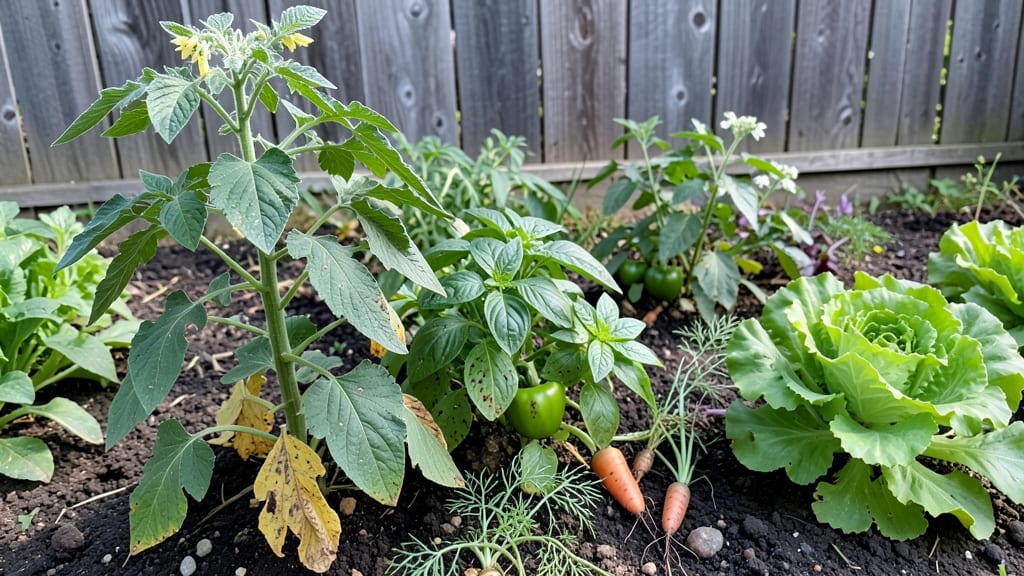
Using grass clippings in a vegetable garden can enrich soil with nitrogen but risks introducing weeds or thatch buildup. Apply thin layers (¼ inch or less) as mulch, avoid clumps, and let them dry slightly before spreading to prevent matting and fungal growth.
Grass clippings act like a natural fertilizer by breaking down into organic matter that feeds your soil over time. 🌱 The key is balance—too much can smother plants or create a thick layer that blocks water and air.
I’ve found that mixing them with compost or spreading them lightly around leafy greens (like spinach or lettuce) works best, while root vegetables may need a gentler approach. Proper drying and layering help prevent fungal issues while maximizing their nutrient benefits.
For best results, use clippings from chemical-free lawns only—pesticides or herbicides can harm your garden. Always test a small area first, especially if your soil is already rich. This method isn’t just eco-friendly; it’s a cost-effective way to recycle yard waste while giving your plants a nutrient boost.
💡 In This Article
- How Grass Clippings Boost Soil Fertility
- Safe Grass Clipping Application Techniques for Vegetable Gardens
How grass clippings boost soil fertility
Grass clippings are packed with nitrogen-rich proteins and organic matter that kickstart soil fertility through microbial decomposition. When you spread them thinly, soil microbes—especially bacteria and fungi—break down the cellulose and lignin in the clippings, converting them into plant-available nutrients like ammonium (NH₄⁺) and nitrates (NO₃⁻).
This process mimics natural leaf litter decomposition but happens faster because grass has a high carbon-to-nitrogen ratio (about 15:1), which microbes love as a quick energy source. 🌱
The real magic happens in the soil structure. Unlike synthetic fertilizers that dissolve instantly, grass clippings act as a slow-release fertilizer, feeding plants over weeks.
As they decompose, they improve soil aeration by creating tiny pores between particles, while their fibrous texture helps retain moisture—up to 20% more water in sandy soils. This is why gardeners notice healthier root systems in plants like tomatoes or peppers when clippings are used properly.
The organic matter also boosts cation exchange capacity (CEC), helping soils hold onto essential nutrients like potassium and calcium.
Here's what's actually happening underground: Microbes release enzymes that break down complex organic molecules into simpler forms. For example, urease enzymes convert urea in the clippings into ammonia, which plants absorb directly or gets converted by nitrifying bacteria into nitrates.
This microbial activity also stimulates earthworm populations, which further aerate the soil and create nutrient-rich castings. The result? A self-sustaining ecosystem where your vegetables get continuous nourishment without chemical spikes. 🔥
Compared to synthetic fertilizers, grass clippings offer a more balanced nutrient profile. While commercial nitrogen sources provide quick but short-lived boosts, clippings deliver a steady supply of not just nitrogen (about 2-4% by dry weight) but also phosphorus and potassium in smaller amounts.
The organic matter also improves soil texture over time, reducing compaction and creating a crumbly structure ideal for root growth. Think of it as nature's version of a time-release capsule—nutrients become available exactly when plants need them.
One often-overlooked benefit is the clippings' role in suppressing weeds. When applied as a ¼-inch layer, they block sunlight from reaching weed seeds while still allowing water and air to penetrate. This creates a natural mulch effect that reduces competition for nutrients.
However, the key difference from commercial mulches is that grass clippings actively feed the soil rather than just suppress weeds. For example, a 1-inch layer of clippings can add about 1 pound of nitrogen per 100 square feet over a growing season—equivalent to a light application of organic fertilizer.
For maximum benefits, pair clippings with carbon-rich materials like straw or shredded leaves to balance the nitrogen. This 25:1 carbon-to-nitrogen ratio prevents odor and speeds decomposition. The microbial activity generates heat during breakdown (up to 140°F in compost piles), which further sterilizes soil and kills pathogens.
This is why many organic gardeners consider clippings one of the most underrated soil amendments available—free, effective, and packed with hidden benefits. ✨