
Lawn
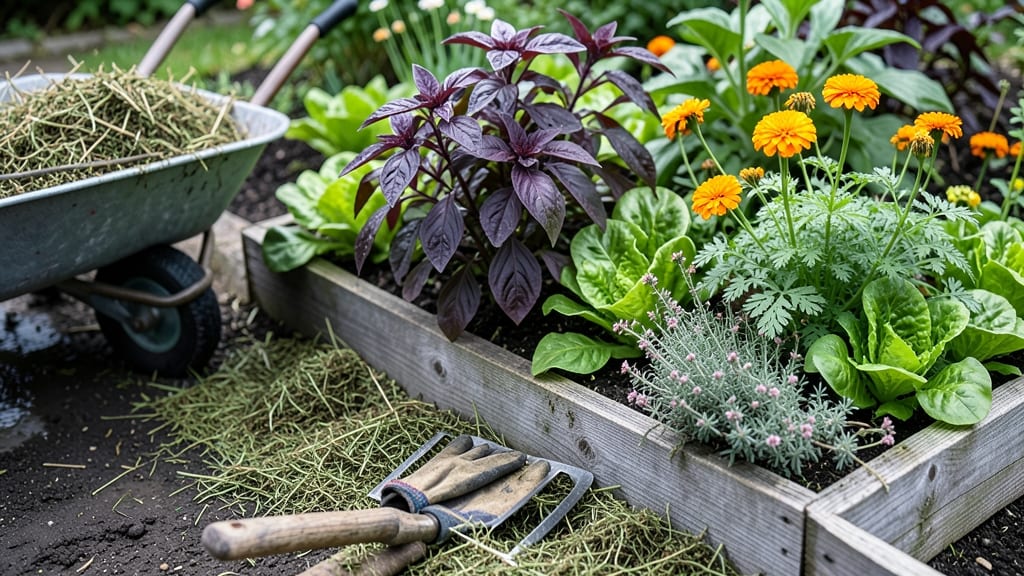
Incorporating lawn clippings into your garden beds boosts soil fertility by adding nitrogen-rich organic matter, but only when spread thinly and kept fresh. Thick layers can smother plants and create thatch problems over time.
Lawn clippings act like a natural fertilizer because they're packed with nitrogen, which plants crave for lush growth.
When you spread them lightly (¼-inch thick) and work them into the soil, they break down quickly, feeding your garden without competing with roots. 🌱 The key is to apply them right after mowing while they're still fresh—over time, they'll improve soil structure and help retain moisture better than many commercial amendments.
Just avoid letting them pile up, as this can block sunlight and air from reaching the soil below.
For best results, mix clippings with existing soil or use them as a mulch layer around plants. Spring and fall are ideal times since the soil is warm enough for decomposition but not so hot that clippings dry out.
I've found that pairing them with a light compost layer creates an even more nutrient-dense growing medium for vegetables and flowers.
💡 In This Article
- How Lawn Clippings Improve Garden Soil Composition
- Best Practices for Applying Lawn Clippings to Garden Beds
How lawn clippings improve garden soil composition
Grass clippings are essentially a free, nitrogen-packed organic amendment because they contain about 4-5% nitrogen by dry weight, along with smaller amounts of phosphorus and potassium. When clippings decompose, they release these nutrients in a form that plants can absorb immediately—unlike slow-release organic matter like compost.
This nitrogen boost is comparable to a light application of synthetic fertilizer, but with the added benefit of improving soil structure over time. 🌱 The decomposition process also introduces beneficial microbes that help break down organic material further, creating a more vibrant soil ecosystem.
The real magic happens in how clippings enhance soil texture. Fresh clippings have a high moisture content (around 80-90% water), which helps retain soil moisture better than dry amendments. As they break down, they create tiny air pockets that improve aeration, crucial for root growth.
This is why gardeners often see healthier root systems in beds amended with clippings compared to those using just compost or manure. The organic matter also acts like a sponge, holding onto nutrients that would otherwise leach away during rain.
What sets clippings apart from other organic amendments is their carbon-to-nitrogen ratio (C:N ratio) of about 15:1 to 20:1. This means they decompose relatively quickly (typically 2-4 weeks when applied thinly) without robbing soil of nitrogen like carbon-heavy materials such as wood chips (which have a 400:1 ratio).
The rapid breakdown makes them ideal for quick nutrient boosts, especially for heavy feeders like tomatoes or corn that crave nitrogen-rich soil. 💫
However, there's a catch: clippings lack the balanced nutrient profile of compost or manure. While they excel at providing nitrogen, they're deficient in phosphorus and micronutrients like calcium and magnesium. That's why many gardeners combine clippings with compost or a complete organic fertilizer to create a more balanced soil environment.
For example, mixing clippings with well-aged compost creates a nutrient-rich "soil cocktail" that supports both immediate plant growth and long-term soil health.
One often-overlooked benefit is how clippings help regulate soil temperature. Their dark color absorbs sunlight during the day, warming the soil slightly, while their moisture content helps moderate temperature swings. This creates a more stable growing environment for sensitive plants like lettuce or strawberries.
The contrast with bare soil—where temperatures can fluctuate by 20-30°F between day and night—shows why clippings can be a game-changer for seasonal gardens.
For comparison, consider that a 1-inch layer of clippings spread over a 100-square-foot garden bed adds roughly 2-3 pounds of organic matter.
That's equivalent to about 0.5 pounds of nitrogen, which is roughly the same amount found in 1 cup of 10-10-10 synthetic fertilizer—but without the potential chemical runoff risks. The natural decomposition also stimulates earthworm activity, which further aerates the soil and creates channels for better water infiltration.