
Fertilization
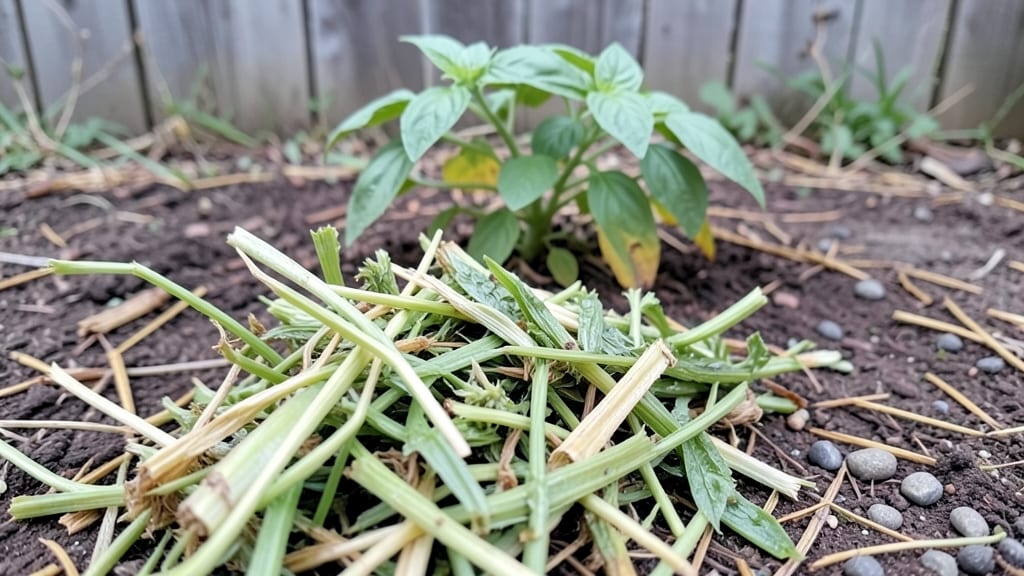
Using lawn clippings as fertilizer returns nitrogen to the soil, reducing waste and promoting healthier grass. Leave clippings after mowing, mulch finely, or compost them to avoid clogging your mower and maximize nutrient benefits for your lawn.
Lawn clippings are essentially free, organic mulch packed with nitrogen, which grass needs most to grow. When you leave them on the lawn after mowing, they decompose quickly, releasing nutrients that feed the roots directly.
This grasscycling method also conserves water by reducing evaporation and suppressing weeds by blocking sunlight. The key is keeping clippings short—mowing regularly at 3-4 inches ensures they break down efficiently without smothering the grass. 🌱
For those worried about mower clogs, a sharp blade and proper height settings make all the difference. Raising your mower deck slightly helps clippings shred finer, while mulching mowers with double-cutting blades prevent clumping.
If you still face issues, composting clippings instead is a great backup—just mix them with brown materials like leaves or straw for balance.
💡 In This Article
- Nutritional Value of Lawn Clippings in Soil Health
- Best Practices for Applying Grass Clippings Without Mower Issues
Nutritional value of lawn clippings in soil health
Grass clippings are a powerhouse of nitrogen—typically containing about 2-4% nitrogen by dry weight—making them one of nature's most efficient organic fertilizers. This nitrogen is primarily in the form of proteins and amino acids, which break down rapidly when left on the lawn, feeding the grass roots almost immediately.
The decomposition process also releases trace minerals like iron, calcium, and magnesium, which support overall plant vitality. Unlike synthetic fertilizers, these nutrients are delivered slowly and naturally, preventing chemical burns while promoting long-term soil fertility.
When clippings decompose, they create a mulch layer that improves soil structure by enhancing aeration and water retention. The organic matter binds soil particles together, creating larger aggregates that hold moisture better—up to 30% more than bare soil.
This is especially valuable during dry spells, as the mulch layer reduces evaporation and keeps roots hydrated. The process also stimulates microbial activity, with beneficial bacteria and fungi breaking down the clippings into humus, which further enriches the soil's texture and nutrient-holding capacity.
One key advantage of grass clippings over synthetic fertilizers is their balanced nutrient profile. While they're highest in nitrogen, they also contain phosphorus (0.5-1.5%) and potassium (1-2%), though in smaller amounts. This natural balance supports root growth, energy transfer, and disease resistance in grass.
Synthetic fertilizers often provide these nutrients in isolated forms (like NPK ratios), which can disrupt soil biology and lead to nutrient imbalances over time. Clippings, however, deliver a complete package that mimics nature's own fertilization process.
Here's what happens when you leave clippings on your lawn:
- Nutrient recycling: Clippings decompose in 2-5 days, releasing nitrogen that grass absorbs within hours.
- Moisture conservation: The mulch layer reduces water loss by 25% compared to bare soil.
- Weed suppression: Blocking sunlight prevents weed seeds from germinating.
- Soil aeration: Decomposing clippings create channels that improve air flow to roots.
The decomposition process is driven by soil microbes, which thrive on the cellulose and other organic compounds in grass. These microbes produce enzymes that break down complex molecules into simpler forms plants can absorb.
For example, a 1-inch layer of clippings (about 0.5 pounds per 100 sq ft) can provide enough nitrogen to replace 25-50 pounds of synthetic nitrogen fertilizer annually. The key is keeping clippings short—mowing at 3-4 inches ensures they decompose quickly without smothering the grass.
For those concerned about nutrient imbalances, clippings can be combined with other organic materials like compost or manure to create a more comprehensive fertilizer. This approach mimics natural ecosystems, where fallen leaves and plant matter work together to create fertile soil.
The result is a lawn that's not just green, but resilient against pests, drought, and disease—all from a resource that would otherwise end up in a landfill. 🌱