
Lawn
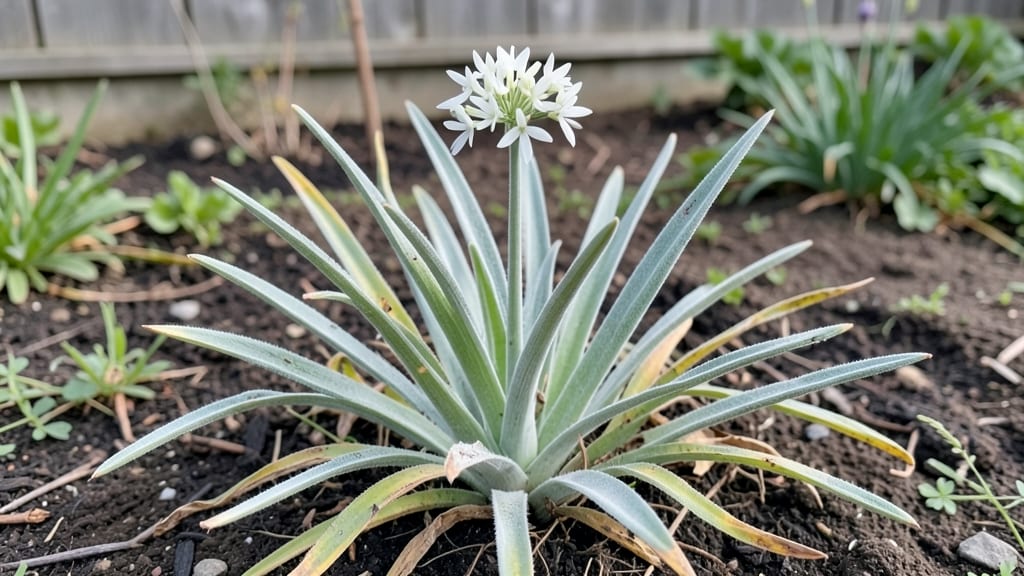
Fuzzy grass weed is the kind of lawn invader that makes you want to rip up the whole yard—until you learn how to outsmart it. 🌱 I’ve battled this stubborn stuff for years, and what works isn’t just pulling it out (that’s a waste of time).
The real secret lies in understanding its growth patterns and attacking it at the right moments.
This weed thrives because it spreads through underground tubers, not just seeds. Most people focus on the visible blades, but the real battle happens below the soil. Organic methods like vinegar or boiling water can kill surface growth, but you’ll need persistence—this stuff fights back.
Chemical options exist, but they’re a last resort when the infestation is already taking over.
By late summer, you’ll start seeing fewer fuzzy patches if you’ve been consistent. The key is monitoring for new shoots and treating them immediately—no waiting. With the right approach, your lawn can go from a weed battleground to a lush, low-maintenance space in just a few months.
Works for both small patches and large lawns, though bigger areas may need a phased approach. The good news? Once you break its cycle, it’s harder to come back. Let’s get started on reclaiming your yard.
Why it happens
Fuzzy grass weed—often mistaken for a harmless patch of moss or wild grass—can turn your meticulously maintained lawn into a tangled mess if left unchecked. But why does it take over in the first place?
The answer lies in a mix of environmental factors, lawn care oversights, and the weed’s own survival strategies. Let’s break down the science behind its persistence and how it exploits common lawn care mistakes.
🌱 Poor Soil Conditions
Fuzzy grass weed thrives in soil that’s either too compacted, nutrient-deficient, or improperly aerated. Here’s why:
- Compacted Soil: Heavy foot traffic, machinery, or clay-heavy soil compresses the top layer, reducing oxygen and water penetration. Without proper aeration, desirable grasses struggle to grow deep roots, leaving gaps for weeds like fuzzy grass to invade. Pro tip: Test your soil’s compaction by pressing your thumb into it—if it springs back slowly, aeration is needed.
- Low Organic Matter: Soil lacking compost or organic material has poor water retention and few beneficial microbes. Fuzzy grass weed, which often has shallow but aggressive roots, exploits these weak spots by germinating quickly in disturbed or bare patches.
- Imbalanced pH: Most lawn grasses prefer a pH between 6.0 and 7.0. If your soil is too acidic (<5.5) or alkaline (>7.5), desirable grasses weaken, while fuzzy grass weed—tolerant of a wider pH range—takes over. Actionable fix: Conduct a soil test (kits are cheap and available at garden centers) and amend with lime (for acidity) or sulfur (for alkalinity) as needed.
💧 Overwatering Or Irrigation Issues
Watering habits play a huge role in fuzzy grass weed proliferation. Here’s how:
- Excessive Moisture: Fuzzy grass weed loves damp conditions and often appears after prolonged rain or overwatering. Unlike deep-rooted grasses, it germinates quickly in moist, shaded, or poorly drained areas. Solution: Water deeply but infrequently (1–1.5 inches per week) to encourage grass roots to grow deeper, outcompeting weeds.
- Inconsistent Watering: Skipping watering sessions or uneven sprinkler coverage creates dry spots where grass weakens. Fuzzy grass weed capitalizes on these stressed areas, spreading rapidly. Pro tip: Use a rain gauge or smart sprinkler timer to ensure even coverage.
- Poor Drainage: Low-lying areas or clay soil that holds water for days create ideal conditions for fuzzy grass weed. These weeds often appear in "soggy zones" where air can’t reach the roots of desirable plants. Fix: Improve drainage with sand or organic matter, or install a French drain if needed.
☀️ Shade And Light Competition
Fuzzy grass weed is a master of low-light environments, often flourishing where traditional lawn grasses fail. Here’s the science:
- Thin Grass Canopy: If your lawn has sparse grass due to disease, drought, or poor seeding, fuzzy grass weed fills the gaps. It grows quickly in partial shade, where sunlight is limited for sun-loving grasses like Kentucky bluegrass or fescue.
- Tree And Shrub Overhang: Dappled or deep shade from trees reduces grass growth, creating a perfect niche for fuzzy grass weed. Unlike shade-tolerant grasses (e.g., fine fescue), many homeowners plant sun-loving varieties that struggle in these conditions.
- Seasonal Shifts: In early spring or late fall, when grass grows slowly, fuzzy grass weed takes advantage of the "open window" to germinate and establish itself before desirable grasses recover.
Actionable tip: If your lawn has persistent shade issues, consider overseeding with shade-tolerant grass varieties or using ground covers like clover to outcompete weeds naturally.
🌱 Lack Of Proper Lawn Maintenance
Neglecting basic lawn care creates the perfect storm for fuzzy grass weed. Here’s how:
- Infrequent Mowing: Tall grass blocks sunlight, creating a microclimate where fuzzy grass weed thrives. Mowing too short (scalping) stresses grass, while mowing too high allows weeds to dominate. Rule of thumb: Keep grass at the recommended height for your type (usually 2.5–4 inches).
- No Fertilization: Weak grass from lack of nutrients invites weeds. Fuzzy grass weed doesn’t need rich soil—it grows aggressively even in poor conditions, while healthy grass crowds it out.
- Ignoring Thatch Buildup: A thatch layer thicker than ½ inch blocks water, air, and nutrients from reaching grass roots. Fuzzy grass weed roots can penetrate this layer easily, while grass roots suffocate.
Quick fix: Core aerate in fall and top-dress with compost to reduce thatch and improve soil health.
🐛 Pest And Disease Damage
Grass under attack from pests or pathogens becomes an easy target for fuzzy grass weed. Common culprits include:
- Grubs And Insects: White grubs, chinch bugs, and sod webworms feed on grass roots, weakening the lawn. Fuzzy grass weed fills these dead zones quickly.
- Fungal Infections: Diseases like brown patch or dollar spot create circular dead patches where fuzzy grass weed germinates. Prevention: Improve airflow with proper mowing and watering, and apply fungicides if needed.
- Animal Damage: Rabbits, deer, or even pets can create bare spots where fuzzy grass weed takes hold. Solution: Use temporary fencing or natural repellents to protect recovering grass.
How to solve it
Fuzzy grass weed—often mistaken for a harmless nuisance—can quickly take over your lawn if left unchecked. The good news? With the right approach, you can reclaim your yard without resorting to harsh chemicals or endless labor.
Below are targeted solutions tailored to the most common causes of fuzzy grass weed infestations, along with prevention tips to keep your lawn lush and weed-free.
🌱 Overwatering or Poor Drainage
Fuzzy grass weed thrives in damp, soggy conditions, making overwatering or compacted soil a prime breeding ground. To fix this:
- 🔥 Adjust your watering schedule: Water deeply but infrequently—aim for 1-1.5 inches per week, including rainfall. Early morning is best to reduce fungal risks.
- 👨🍳 Improve soil drainage: Aerate your lawn in early fall to relieve compaction. Use a core aerator to pull out small soil plugs, then top-dress with compost to encourage better water absorption.
- ⏰ Fix irrigation issues: Check sprinklers for uneven coverage or leaks. A soaker hose or drip system can deliver water more efficiently to the roots.
💡 Prevention tip: Test your soil’s drainage by digging a 12-inch hole and filling it with water. If it drains in under 6 hours, your soil is likely well-drained. If not, amend with sand or organic matter.
🌿 Thin or Weak Grass
When your lawn grass is sparse or struggling, fuzzy grass weed fills the gaps like a vacuum. Strengthen your turf with these steps:
- 🍳 Overseed bare spots: Choose a high-quality grass seed blend suited to your climate (e.g., tall fescue for cool regions, Bermuda grass for warm). Spread seed evenly over thin areas in early fall or spring.
- 🌡️ Fertilize properly: Apply a slow-release, balanced fertilizer (like 16-4-8) in early fall to boost root growth. Avoid high-nitrogen fertilizers in summer, which can stress grass.
- 🎯 Mow at the right height: Never cut more than 1/3 of the grass blade at once. Keep your mower blade sharp to avoid tearing grass, which invites weeds.
💡 Prevention tip: Walk on a different path each time to avoid compacting the same spots. Use stepping stones or mulch for high-traffic areas.
🔪 Chemical or Manual Removal
If fuzzy grass weed has already taken hold, targeted removal is key. Here’s how to tackle it:
- 🌿 Selective herbicides: Use a post-emergent herbicide like triclopyr (e.g., Ortho Weed B Gon) or dicamba-based products. Spot-treat weeds on calm days to avoid drift onto desired plants.
- 🔪 Manual pulling: For small patches, pull weeds by hand when the soil is moist (early morning or after rain). Use a weeding tool or your fingers to grasp the entire root.
- 🍲 Vinegar spray (organic option):strong> Mix 1 gallon of white vinegar, 1 cup dish soap, and 1 cup salt in a spray bottle. Apply directly to weeds on a sunny day—avoid desired plants, as this is non-selective.
✨ Pro tip: Reapply herbicides or manual treatments every 2-3 weeks until new growth stops. For vinegar spray, repeat weekly for stubborn weeds.
🛡️ Long-Term Prevention
Once your lawn is fuzzy grass weed-free, keep it that way with these habits:
- 🌱 Maintain a thick turf: Regularly overseed and fertilize to outcompete weeds.
- 🌡️ Monitor soil health: Test soil pH annually (ideal range: 6.0–7.0 for most grasses). Adjust with lime (to raise pH) or sulfur (to lower it) as needed.
- 🎯 Mulch properly: Apply 2–3 inches of mulch around garden beds to block weed seeds from germinating.
- 🔄 Rotate control methods: Alternate between pre-emergent herbicides (like prodiamine) in early spring and cultural practices to prevent resistance.
With consistency, your lawn will become a hostile environment for fuzzy grass weed—and a showpiece for your neighborhood! 🏡
Frequently asked questions
What exactly does fuzzy grass weed look like?
Fuzzy grass weed typically has soft, fuzzy seed heads that resemble dandelion fluff but with a grass-like base. The blades are narrow and often grow in clumps, with a slightly bluish-green hue. It spreads rapidly through underground runners, making it harder to eradicate than regular weeds.
Is fuzzy grass weed harmful to my lawn?
While not toxic, fuzzy grass weed competes aggressively with your lawn grass for nutrients, water, and sunlight. If left unchecked, it can smother your turf, leading to thin, patchy areas. The real issue is its persistence—it spreads through underground tubers, making it difficult to remove completely.
When is the best time to treat fuzzy grass weed?
Late summer to early fall is ideal because the weed is actively growing but before it sets seed. This timing allows herbicides or manual removal to be most effective. Avoid treating in extreme heat or drought, as stressed plants may not absorb treatments properly.
Will vinegar kill fuzzy grass weed permanently?
Vinegar can kill surface growth, but it won’t reach the underground tubers that regrow fuzzy grass weed. For permanent removal, combine vinegar treatments (1 gallon vinegar + 1 cup dish soap) with manual pulling or targeted herbicides. Repeat every 2-3 weeks until no new shoots appear.
How do I prevent fuzzy grass weed from coming back?
Focus on maintaining a thick, healthy lawn through proper mowing, watering, and fertilization. Overseed bare spots in fall, and apply pre-emergent herbicides in early spring to block new growth. Regular soil testing and aeration also help create an environment where grass outcompetes weeds.