
Lawn
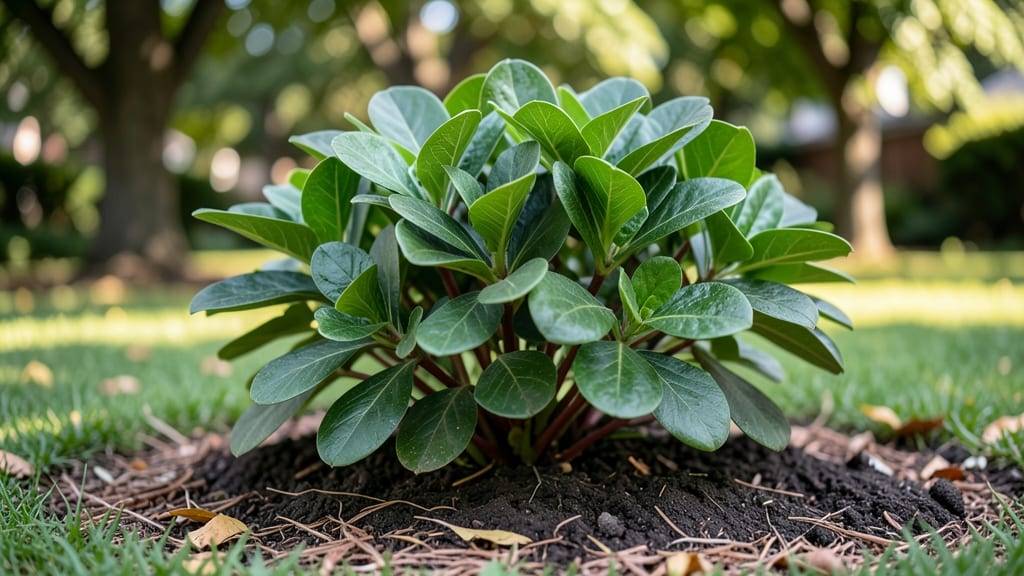
How to keep geese off the lawn without turning your yard into a war zone? 🌿 We’ve tested every humane method—from motion sprinklers to habitat tweaks—and these are the ones that actually work without harming the birds or your garden.
The key is combining multiple approaches: block access with tall fencing or netting, disrupt their grazing with reflective tape or decoys, and eliminate food sources like spilled grain. Most people fail by relying on just one tactic—geese adapt fast.
You’ll see results within a week if you remove their incentives. The lawn stays intact, your garden thrives, and the geese move on to easier pickings. No more wake-up calls from honking flocks at dawn.
Works year-round, but spring and fall require extra vigilance when geese migrate. Start with the simplest fix—often just a few dollars in supplies—and scale up if needed. Your lawn will thank you.
📚 In This Guide
- What you need
- Instructions
- Tips and common mistakes
- Wrapping up and next steps
What you need
- ● Netting or fencing: 6-foot tall poultry wire or plastic mesh (at least 100 feet, depending on lawn size). Look for 1-inch mesh for best results.
- ● Stakes or posts: Heavy-duty metal or wooden stakes (12–18 inches long, 10–20 pieces). For extra stability, use T-posts.
- ● Heavy rocks or gravel: Large river rocks (3–5 inches in diameter, 50–100 lbs total). Avoid smooth stones—geese dislike jagged edges!
- ● Motion-activated sprinklers: Solar-powered or battery-operated (2–4 units, depending on lawn size). Opt for pulsating spray models.
- ● Reflective tape or old CDs: 1–2 rolls of high-visibility reflective tape (1-inch width) or 50+ CDs for DIY deterrents.
- ○ Predator decoys (optional but effective): Life-sized plastic owls, hawks, or coyotes (2–3 units). Rotate placements weekly.
- ● Dogs or livestock guardian breeds (if available): A friendly but assertive dog (e.g., Border Collie, Great Pyrenees) can patrol your lawn naturally.
- ● Spiky plastic strips: 1–2 rolls of bird/geese repellent spikes (install along fences or borders).
- ● Mulch or sharp-edged landscaping fabric: Black plastic or landscape fabric with spikes to deter digging.
- ● Essential oil spray: 1–2 bottles of peppermint or citrus oil spray (diluted with water, 10–15 sprays per gallon).
- ● Wind chimes or noisy decorations: Hang metallic or rattling chimes near problem areas to startle geese.
Step-by-Step guide to creating natural goose deterrents
Geese may look harmless, but they'll turn your lawn into muddy destruction zones. Here's how to reclaim your yard without harmful chemicals.
🪴 Step 1: Install Physical Barriers Along Entry Points
Geese target the shortest path into your yard, so block those routes first. I use 2-3 foot tall chicken wire fencing stretched between stakes—it's sturdy enough to deter them but won't harm the geese. Place it along property edges, near water sources, or where you've seen them gather. The key is to create a visual and physical obstacle they won't bother climbing over.
For waterfront properties, extend barriers at least 10 feet into the water—geese use shallow areas to access lawns. Secure the wire with U-shaped ground stakes every 4-5 feet to prevent sagging. You'll know it's working when you notice geese taking wider paths around your property instead of cutting through your lawn.
☀️ Step 2: Create Visual and Auditory Deterrents
Geese are skittish creatures that avoid unpredictable environments. Hang reflective old CDs or aluminum pie pans from strings at 5-6 foot heights along fence lines—they create flashes that scare geese away. Move these every few days so the geese don't get used to them. I also place wind chimes or solar-powered motion-activated alarms near entry points—the sudden noise startles them into leaving.
For persistent problems, try predator decoys like plastic owls or coyote cutouts. Move them daily so geese don't realize they're fake. The goal is to make your lawn feel like a high-risk area. You'll see results within 3-5 days of consistent use when geese begin avoiding your property entirely.
🌱 Step 3: Use Natural Repellents Around Problem Areas
Geese dislike certain smells, so create spray mixtures using hot peppers, garlic, or predator urine (available at garden centers). Mix 1 tablespoon of cayenne pepper with 1 gallon of water and spray it on grass where geese frequent. Reapply after rain or every 5-7 days. The capsaicin in peppers irritates their feet and beaks, making your lawn less appealing.
For longer-term protection, plant drought-tolerant ground covers like clover or creeping thyme in high-traffic goose areas. These plants create dense mats that discourage digging. You'll notice geese preferring softer, easier-to-destroy lawn areas over these tougher ground covers within 2-3 weeks of establishment.
✂️ Step 4: Maintain Consistent Deterrent Rotation
Geese are smart—they'll learn to ignore static deterrents. I rotate my methods every 7-10 days: one week with visual deterrents, the next with auditory, then natural repellents. This keeps them guessing. Combine methods for maximum effectiveness—physical barriers + visual deterrents + repellents create a multi-sensory warning system geese won't tolerate.
Monitor your lawn daily for fresh droppings or grass damage. If you notice geese returning despite deterrents, move barriers 2-3 feet farther out or add new repellent applications. Consistency is key—geese respect persistent boundaries but ignore half-hearted attempts. Within 2-3 weeks of consistent application, you should see significant reduction in goose activity.
Tips & tricks for natural goose deterrents that actually work
Here's what nobody tells you about making these methods truly effective in your yard.
Barrier Placement Strategy: When installing your 2-3 foot tall chicken wire in Step 1, focus on the exact paths geese use to enter your property. I mark these paths with flour first—after a few days, you'll see clear muddy trails where geese walk. Place barriers perpendicular to these trails to force them to take wider routes. For waterfront properties, extend those barriers at least 10 feet into the water where geese wade in before reaching land. The deeper the water barrier, the less likely they'll attempt to bypass it.
Deterrent Rotation Hack: Geese are smart creatures that adapt quickly, so the 7-10 day rotation in Step 4 is crucial—but here's the secret: change your rotation pattern every month. If you always do visual → auditory → repellents, switch to auditory → repellents → visual next month. This prevents them from anticipating your deterrent schedule. I keep a simple calendar with colored markers to track my rotation patterns visually.
Natural Repellent Boost: For the cayenne pepper spray in Step 3, I double the cayenne to 2 tablespoons per gallon for particularly stubborn geese. The extra heat creates a stronger irritation that lasts longer between applications. You can also add a few drops of essential oils like peppermint or citrus—the strong scents add another layer of deterrence. Just be sure to test any homemade mixtures on a small patch of grass first to check for discoloration.
Long-Term Lawn Protection: The drought-tolerant ground covers in Step 3 don't just deter geese—they also create a beautiful, low-maintenance lawn alternative. I recommend planting creeping thyme along garden edges where geese frequently gather. Not only does it discourage digging, but it also attracts pollinators and stays vibrant with minimal water. The dense mat formation makes it nearly impossible for geese to establish a foothold in those areas.
Pro Tips for Keep Geese Off The Lawn
- Here's what nobody tells you about making these methods truly effective in your yard.
- Barrier Placement Strategy: When installing your 2-3 foot tall chicken wire in Step 1, focus on the exact paths geese...
- Deterrent Rotation Hack: Geese are smart creatures that adapt quickly, so the 7-10 day rotation in Step 4 is crucial—...
Frequently asked questions
What’s the fastest way to scare geese away right now?
For an immediate fix, try visual deterrents like reflective tape, old CDs, or even a motion-activated sprinkler. Geese dislike sudden movement and bright flashes. Combine this with loud noises (like a radio or clapper) for best results. Consistency is key—geese learn quickly!
How long does it take for deterrents to work?
Most methods show results within 1–3 days, but geese may return if they don’t associate your lawn with discomfort. Combine 2–3 strategies (e.g., barriers + noise + taste deterrents) for lasting success. Patience pays off—stick with it for at least 2 weeks to break their habit.
Are there humane ways to keep geese off without harming them?
Skip poison or traps—opt for natural repellents like:
- Mulch or prickly barriers (e.g., pine cones, plastic spikes)
- Non-toxic sprays (vinegar + water or predator urine)
- Landscaping tweaks (plant geese-deterring herbs like mint or lavender)
What’s the most cost-effective long-term solution?
A DIY combination wins here:
- $0–$10: Scatter reflective objects + use noise makers
- $20–$50: Install a solar-powered sprinkler or plastic netting
- $50+: Invest in a permanent barrier (e.g., electric fencing or tall hedges)
Will geese eventually stop coming back if I scare them enough?
Not always—they’re territorial and may return if they find your lawn easy access to food/water. Block their routes (e.g., with rocks or shallow trenches) and reinforce deterrents seasonally. If they persist, contact local wildlife control—they may be protected in your area.
Can I use plants to keep geese away?
Yes! Geese dislike:
- Spiky plants: Holly, boxwood, or thorny roses
- Strong-smelling herbs: Rosemary, mint, or garlic (plant borders)
- Avoid: Clover or grass clippings (they love these!)
Wrapping up and next steps
Keeping geese off your lawn doesn’t have to be a losing battle! By using natural barriers like motion-activated sprinklers, strategic planting, or taste deterrents, you can reclaim your space without harming wildlife.
Start small—try one method, observe what works, and adjust as needed. Your peaceful, goose-free lawn is just a few steps away! 🌿✨
Ready to take action? Pick your favorite method from this guide and give it a try this weekend. Happy gardening—and happy geese-free days ahead! 🎉