
Lawn
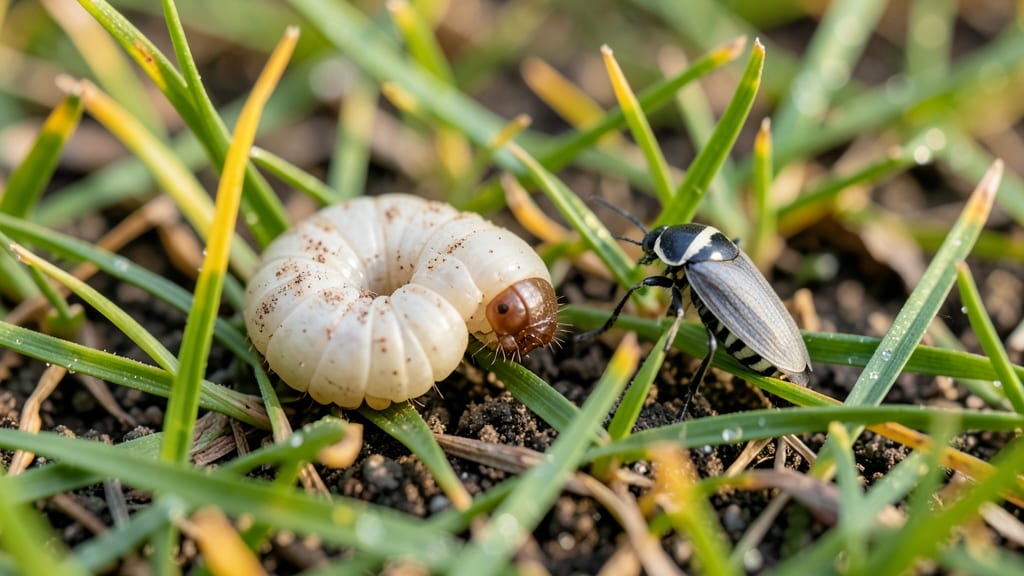
Your lawn’s disappearing act isn’t just dry spells—it’s the eating bugs feasting underground. 🌱 These sneaky pests chew roots and stems, leaving behind telltale brown patches that spread like wildfire if you ignore them. The good news? Humane traps and smart prevention can turn the tide without harsh chemicals.
Most damage starts in late spring or early summer, when bugs hatch and go to work. You’ll spot their handiwork first—thin, patchy grass that pulls up easily or tunnels in the soil.
The key to stopping them? Catching them early with simple traps (like rolled-up newspaper or beer traps for grubs) before they multiply.
By combining traps with preventive care—like aerating soil, watering deeply but less often, and keeping grass at 3 inches tall—you’ll starve out pests naturally. The results? A lawn that stays green, thick, and resilient all season long, without the guesswork.
This works for any yard size, from small patches to full acres. Let’s tackle those bugs the right way—without poisoning your soil or the critters that call it home.
The Hidden Triggers Behind Lawn Damage
Your lush green lawn might look like the perfect picnic spot, but for tiny, unseen critters, it’s an all-you-can-eat buffet. Understanding why these pests target your yard is the first step to stopping them.
Below, we break down the science—and the sneaky reasons—behind why your lawn becomes a snack bar for bugs.
Too much of a good thing can turn your lawn into a bug magnet. Overwatering creates the perfect conditions for grubs, beetles, and other lawn-eating pests:
- Soft, soggy soil: Excess moisture weakens grass roots, making it easier for bugs to burrow and feed. Think of it like a waterlogged sponge—easy for pests to chew through.
- Fungal growth: Damp conditions encourage fungi, which attract beetles and their larvae. These pests then munch on the weakened grass, turning your yard into a crunchy salad bar.
- Slow drainage: If water pools in low spots, it creates ideal breeding grounds for grubs and other moisture-loving insects. Actionable fix: Test your soil’s drainage and aerate compacted areas to let excess water escape.
When your lawn lacks essential nutrients, it becomes an easy target for pests. Bugs—especially grubs and chinch bugs—prefer stressed, weak grass because it’s easier to digest:
- Low nitrogen levels: Nitrogen is the building block of healthy grass. Without it, blades turn yellow and thin out, making them vulnerable to chewing insects.
- Imbalanced soil pH: Most lawn pests thrive in slightly acidic to neutral soil (pH 6.0–7.0). If your soil is too alkaline or acidic, grass struggles to absorb nutrients, weakening its defenses.
- Lack of potassium: Potassium strengthens grass roots, making them more resistant to pests. Without it, roots become brittle and easy pickings for grubs.
💡 Pro Tip: Conduct a soil test every 2–3 years. Amend your soil with compost or a balanced fertilizer (like 10-10-10) to restore nutrients and deter pests naturally.
Many lawn-eating bugs are nocturnal, meaning they do their damage under the cover of darkness. Here’s why timing matters:
- Cooler temperatures: Nighttime provides relief from daytime heat, making it the perfect time for beetles, cutworms, and armyworms to feast.
- Higher humidity: Moisture levels rise at night, keeping soil soft and grass blades pliable—ideal for chewing and tunneling.
- Predator avoidance: Birds and other natural enemies are less active after dark, giving bugs a safe window to munch away.
🔦 Actionable Insight: Install motion-activated floodlights or solar-powered yard lights to deter nocturnal pests. Even a well-lit lawn can make bugs think twice about crashing your party.
Thatch—a layer of dead grass, roots, and debris between the soil and green blades—can become a cozy hideout for pests. Here’s how it happens:
- Moisture retention: Thatch traps humidity, creating a damp environment that attracts grubs, fungus gnats, and other moisture-loving insects.
- Food source: Decomposing organic matter in thatch provides a buffet for pests. Think of it as a tiny, hidden compost pile in your lawn.
- Protection from treatments: If you apply pesticides or fertilizers, thick thatch can block them from reaching the soil, leaving pests unharmed.
✂️ Fix It: Dethatch your lawn in early spring or fall using a rake or dethatching machine. Aim for a thatch layer no thicker than ½ inch to starve out pests and improve grass health.
Healthy lawns have a natural balance of predators (like birds, toads, and beneficial insects) that keep pest populations in check. When this balance tips, bugs move in:
- Pesticide overuse: Broad-spectrum pesticides kill both pests and their natural predators, like ladybugs and ground beetles, leading to pest explosions.
- Habitat loss: Fewer shrubs, trees, or wildflower borders mean fewer hiding spots for predator species, making your lawn an easier target.
- Seasonal shifts: In winter, many predators migrate or hibernate, leaving your lawn vulnerable to early spring pest outbreaks.
🌿 Encourage Balance: Plant native flowers and shrubs to attract predator species. Avoid overusing chemicals, and consider introducing beneficial nematodes to target pests without harming helpers.
Stopping Lawn Munchers Naturally
Lawn-eating critters can turn your green paradise into a patchwork of brown. The good news? You don’t need harsh chemicals or expensive solutions to reclaim your yard. Below are targeted fixes for the most common culprits—each with a humane, eco-friendly approach to keep your grass thriving while protecting local wildlife.
Cause: Grubs (larvae of beetles like Japanese beetles or June bugs) feast on grass roots, causing patches to pull up easily. Fix:
- Apply milky spore (a natural bacteria that targets grubs) in early spring or fall. Follow package instructions for best results.
- Encourage grub predators like birds, toads, and ground beetles by keeping a diverse lawn ecosystem (avoid over-fertilizing).
- Aerate your lawn in late summer to expose grubs to birds and beneficial insects.
💡 Pro Tip: If you spot skunks or raccoons digging, grubs are likely the cause—act fast before they multiply!
Cause: Herbivores like rabbits and deer nibble on grass, young shoots, and even bark. Fix:
- Install temporary fencing (at least 3 feet tall for deer, 2 feet for rabbits) around garden beds and high-value lawn areas.
- Use repellent sprays (like garlic-based or predator urine products) on fences or directly on plants. Reapply after rain.
- Plant deer-resistant grasses like tall fescue or buffalo grass in problem areas.
🌡️ Quick Fix: Hang soapy water-filled spray bottles near entry points—rabbits dislike the scent!
Cause: These caterpillars chew through grass blades overnight, leaving behind skeletonized patches. Fix:
- Handpick larvae at dusk (when they’re most active) and drop them in soapy water.
- Use pheromone traps (like those for moths) to monitor and reduce adult populations before they lay eggs.
- Introduce parasitic nematodes (like Heterorhabditis bacteriophora), which naturally kill armyworms without harming plants.
✨ Bonus: Encourage ladybugs and lacewings—they eat armyworm eggs!
Cause: Adult beetles skeletonize leaves and grass blades, leaving a lacy mess. Fix:
- Set up beer traps (bury a container filled with beer—beetles drown in it).
- Handpick beetles into a bucket of soapy water (do this in the morning when they’re sluggish).
- Plant trap crops like roses or marigolds to lure them away from your lawn.
🔥 Warning: Avoid broad-spectrum pesticides—they kill beneficial insects too!
Cause: These slimy pests leave silvery trails and chew irregular holes in grass. Fix:
- Create barriers with copper tape, diatomaceous earth, or crushed eggshells around garden edges.
- Set up beer traps (bury a shallow dish filled with beer—slugs crawl in and drown).
- Handpick at night (when they’re active) and drop them in soapy water.
🎯 Prevention: Water lawns in the morning (not evening) to let soil dry faster—slugs hate dry conditions!
Cause: These rodents gnaw on grass roots, creating tunnels and dead patches. Fix:
- Set humane traps (like live cages) baited with seeds or peanut butter.
- Eliminate hiding spots by keeping grass short and removing brush piles.
- Use castor oil-based repellents (spray around the lawn perimeter).
💡 Signs of Infestation: Look for surface runways (tiny tunnels in grass) or gnawed plant stems.
- Mow high (3–4 inches) to shade soil and deter pests.
- Water deeply but less often to encourage deep roots (pests hate healthy grass!).
- Aerate and overseed in fall to fill bare spots where bugs love to hide.
- Avoid over-fertilizing—weak grass attracts more pests.
Final Thought: A little observation + prevention goes a long way. Most lawn pests are easy to manage with patience and the right tools—no chemicals required! 🌿
Frequently asked questions
How can I tell if my lawn damage is from bugs or drought?
Check for these clues: Bug damage often creates patches that pull up easily (roots are chewed), while drought shows uniform browning with crispy grass blades. Look for tunnels in soil or skunks digging—classic grub signs! Test by lifting a small patch: if roots are intact but brown, it's likely drought.
Are beer traps safe for pets and kids?
Beer traps are generally safe, but keep them covered with a lid or mesh to prevent pets from drinking the beer. Place them in shallow containers (like plastic cups) and bury only the rim to avoid accidents. Always check traps regularly and dispose of drowned pests properly.
When is the best time to treat grub infestations?
Target grubs in late summer (August-September) when they're young larvae, or in early spring (April-May) before they mature. This timing lets natural predators like birds catch them too. Avoid treating in winter—they'll just re-emerge stronger in spring!
Will milky spore work if my neighbor has grubs too?
Milky spore spreads naturally through water and soil, but it takes 2-3 years to fully establish. While it won't instantly fix your neighbor's lawn, it'll gradually reduce grub populations in your yard. For immediate results, combine it with other methods like aeration or beneficial nematodes.
How do I know if my brown patches are from chinch bugs or grubs?
Chinch bugs create small, irregular brown patches with yellow halos, while grubs cause larger areas that pull up like carpet. Flip over a patch: chinch bugs leave tiny black bugs, while grubs reveal white, C-shaped larvae. Test with a screwdriver—if it goes in easily, it's likely grubs.