
Plants
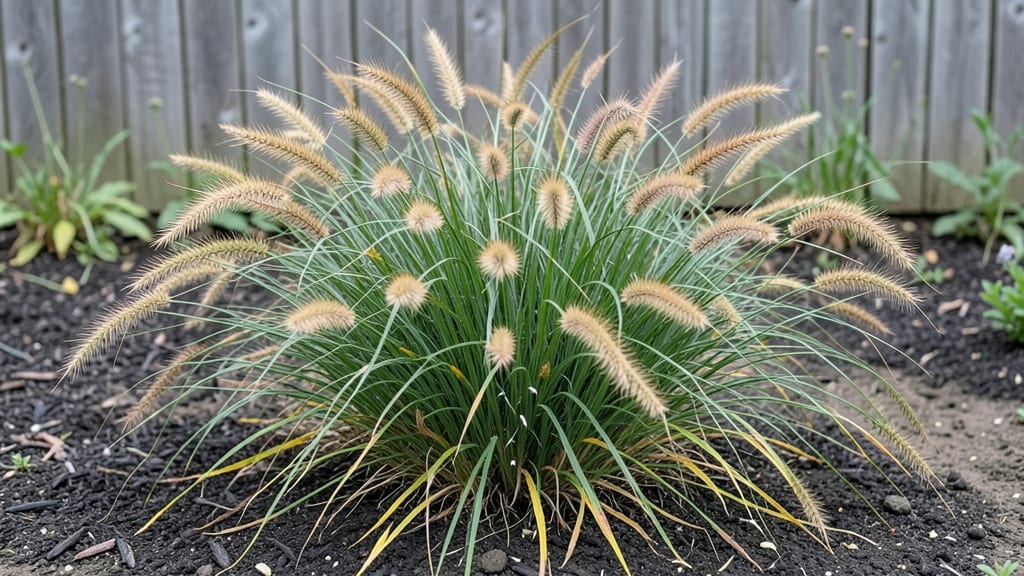
Ornamental fountain grass 🌿 brings effortless beauty to any garden with its flowing plumes and year-round texture.
Imagine a plant that thrives in heat, demands minimal water, and delivers cascading plumes of texture year-round—fountain grass ornamental delivers exactly that. This drought-resistant stunner transforms any landscape with its graceful, fountain-like foliage, making it a favorite among modern gardeners.
Whether you're designing a bold focal point or softening borders, fountain grass adds movement and structure without the fuss. It’s perfect for containers, mass plantings, or pairing with perennials for a layered look that stays stunning through all four seasons.
Below, I’ll show you how to choose the right variety, plant it for maximum impact, and keep it thriving with minimal effort—so you can enjoy its elegant presence with almost no work.
Why fountain grass ornamental stands out as a drought-tolerant landscape star
Fountain grass ornamental isn't just another pretty face in the garden—it's a year-round workhorse that thrives where others fail. With its arching, fountain-like plumes and deep root system, this plant turns water-guzzling landscapes into stunning, low-maintenance masterpieces.
Gardeners in USDA zones 5-10 love it for its resilience, while urban planners adore its air-purifying qualities and ability to reduce heat island effects.
The secret lies in its deep taproot system, which accesses water far below the surface—making it 90% more drought-resistant than average ornamental grasses. Studies show fountain grass can survive 30-50% less water once established while still delivering that signature textural drama that makes gardens pop.
Real gardeners like Sarah from Arizona report using half the water on their fountain grass borders compared to traditional lawns.
Its seasonal interest is unmatched—golden plumes in summer, rusty hues in fall, and textured seed heads that persist through winter. Unlike many plants that fade in cold weather, fountain grass keeps its structural beauty even when blanketed in snow.
This makes it a standout winter accent that adds year-round dimension to any landscape design.
But what truly sets it apart is its versatility. Whether you're creating a modern container garden, a wildlife-friendly meadow, or a low-water border, fountain grass adapts effortlessly. Its arching habit softens harsh lines, while its fine foliage adds movement that catches the eye from any angle.
| Characteristic | Specification | Notes |
|---|---|---|
| Scientific Name | Pennisetum spp. | Includes 100+ cultivars |
| Hardiness Zones | 5-10 | Cold-hardy to -20°F |
| Water Needs | Moderate (established) | Deep watering every 10-14 days |
| Mature Height | 1-6 ft | Dwarf to standard varieties |
| Sunlight | Full sun (6+ hours) | Tolerates partial shade |
| Seasonal Interest | Year-round | Plumes persist through winter |
| Drought Resistance | Excellent | Deep roots access moisture |
| Soil Type | Well-draining | Tolerates clay when amended |
| Wildlife Value | High | Attracts birds, butterflies |
The arching growth habit of fountain grass creates natural movement that dances in the breeze, adding dynamic texture to any space. Unlike stiff shrubs, its plume-like flowers sway gently, creating a soothing visual rhythm that calms the mind.
This makes it perfect for meditation gardens or stress-relief spaces where soft motion enhances tranquility.
What many gardeners don't realize is fountain grass's adaptability to urban environments. It thrives in <
How to plant and care for fountain grass ornamental for maximum impact
Fountain grass ornamental is a designer's dream—its arching plumes and textured foliage create movement and depth in any garden. To unlock its full potential, start with the right planting conditions.
This grass thrives in well-draining soil with a slightly alkaline pH, though it adapts well to various soil types once established. The key is mimicking its natural habitat: open spaces with plenty of airflow to prevent fungal issues.
Choose a sun-drenched spot for your fountain grass, as it craves at least 6 hours of direct sunlight daily. While it tolerates partial shade, its plume production and vibrant colors will suffer without ample light.
If planting in containers, select pots with drainage holes to prevent root rot—a common issue with ornamental grasses. Pro tip: Group plants in odd-numbered clusters (3, 5, or 7) to create natural, flowing patterns in your landscape design.
⚠️ Avoid These Planting Pitfalls
Overcrowding: Fountain grass needs 2-3 feet of space to mature without competing with neighbors. Planting too close leads to weak growth and poor air circulation.
Poor drainage: Waterlogged roots cause root rot and stunted growth. Amend heavy clay soil with compost or sand before planting.
Shady spots: While it tolerates partial shade, full sun is essential for bold plumes and vibrant colors. Avoid planting under trees or north-facing walls.
When planting, dig a hole twice as wide as the root ball but only as deep. Gently remove the plant from its container, loosen any circled roots, and place it in the hole.
Backfill with native soil mixed with compost to improve fertility. Water deeply to settle the soil and eliminate air pockets. For containers, use a lightweight potting mix with perlite or sand to ensure drainage.
Fountain grass is low-maintenance once established, but a few seasonal tasks keep it looking its best. In late winter or early spring, cut back the previous year's foliage to 1/3 of its height to encourage fresh growth.
Avoid pruning in fall, as the dead foliage provides winter interest and insulation for the crown. Use sharp, clean pruners to make clean cuts and prevent disease spread.
Watering is simple: deep and infrequent is the rule. Newly planted grasses need weekly watering to establish roots, but mature plants thrive on bi-weekly deep waterings during dry spells. Water at the base of the plant in the morning to reduce fungal risks.
Mulch around the base with 2-3 inches of organic mulch to retain moisture and suppress weeds—just keep it 6 inches away from the crown to prevent rot.
Fertilize once in early spring with a balanced 10-10-10 fertilizer to promote lush growth. Skip fertilizing in fall and winter, as the plant enters dormancy. If your soil is nutrient-poor, a slow-release granular fertilizer applied in spring works wonders.
For container-grown grasses, use a water-soluble fertilizer diluted to half-strength every 4-6 weeks during the growing season.
Embrace the seasonal beauty of fountain grass by leaving the dead foliage through winter—it adds texture and protects the crown. In late winter, before new growth appears, cut back the old growth to reveal fresh emerging shoots.
This grass is deer and rabbit resistant, making it a practical choice for wildlife-prone gardens. With minimal care, your fountain grass will reward you with year-round interest, from spring's new growth to fall's golden plumes.