
Planting
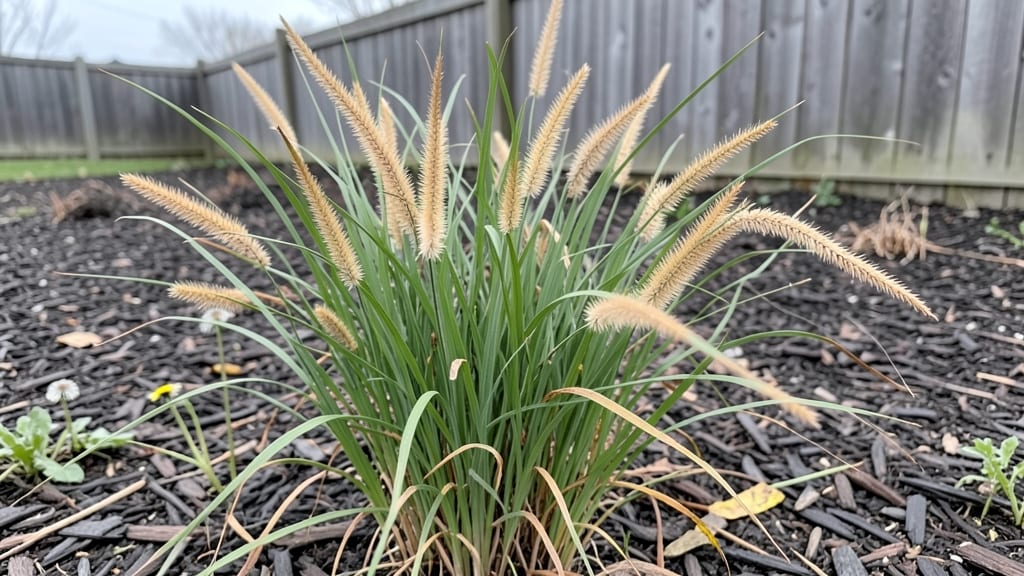
Growing fountain grass in Florida is easier than you think—this drought-resistant beauty handles the heat and humidity like a pro 🌿.
Florida’s scorching summers and humid climate can make gardening a challenge, but fountain grass thrives here with minimal fuss. Unlike finicky tropical plants, it’s tough enough to handle year-round sunshine and still look stunning.
Whether you’re filling a sunny corner or lining a pathway, the right varieties will add texture and movement to your landscape without demanding constant care. Below, I’ll share the top heat-tolerant picks and the simple steps to keep them looking their best.
From planting tips to maintenance hacks, you’ll learn how to grow fountain grass that stays lush through Florida’s hottest months—no green thumb required.
Top 5 heat-tolerant fountain grass varieties for Florida gardens
Florida’s intense heat and humidity can wilt many plants, but fountain grass varieties like Pennisetum species are built to handle these conditions. These ornamental grasses offer year-round interest with minimal care, making them ideal for Florida’s USDA Zones 9a-11.
Below, I’ll highlight the top five heat-tolerant varieties that thrive in Florida’s climate, including their unique features and best uses in your landscape.
When selecting fountain grass, consider mature height, color variations, and growth habits to match your garden’s style. Some varieties stay compact, perfect for containers, while others reach towering heights, ideal for dramatic borders. All of these varieties are drought-resistant once established, saving you time and water.
Here’s a quick comparison to help you choose the best fountain grass for your Florida garden:
Pennisetum alopecuroides 'Little Bunny' is my go-to for small spaces. This dwarf variety stays under 2 feet tall and features soft, arching plumes in golden-green hues. It’s perfect for containers or edging pathways, and its heat tolerance ensures it stays vibrant even during Florida’s hottest months. Plus, it’s deer-resistant, which is a bonus for Florida gardens.
Pennisetum orientale 'Black Ninja' adds a striking dark purple-black contrast to any landscape. This variety thrives in full sun and reaches heights of 3-4 feet, making it ideal for dramatic accents near patios or entryways. Its deep color holds up beautifully under Florida’s intense sunlight, and it requires minimal maintenance once established.
If you love bold colors, Pennisetum 'Burgundy Bunny' is a must-have. This variety features burgundy-red foliage that turns even more vibrant in the Florida sun. It’s a mid-sized option, growing 2-3 feet tall, and works beautifully in mixed borders or as a standalone specimen.
Its compact growth habit makes it versatile for various garden designs.
Pennisetum 'Fireworks' lives up to its name with multi-colored plumes in shades of pink, purple, and white. This variety grows 4-5 feet tall, making it perfect for backyard focal points or as a privacy screen. It thrives in full sun and adds a whimsical touch to Florida landscapes. Just be prepared for its taller stature, which requires more space.
For a tall, airy
How to plant and maintain fountain grass in Florida’s climate
Fountain grass is one of the easiest ornamental grasses to grow in Florida, thanks to its natural resistance to heat and humidity. With the right soil prep and planting timing, you can enjoy its graceful plumes year-round without constant upkeep.
The key is mimicking its native habitat—well-draining soil and full sun exposure—while adapting care for Florida’s intense summers.
Unlike many tropical plants, fountain grass thrives in Florida’s USDA Zones 9a-11, making it perfect for coastal areas, inland gardens, and even urban spaces. Once established, it requires minimal watering and handles drought better than most ornamental grasses.
However, proper pruning and pest control are essential to keep it looking its best through Florida’s humid growing season.
Step-by-Step Guide to Planting & Maintaining Fountain Grass in Florida
-
Step 1: Choose the Right Variety
Select heat-tolerant types like 'Burgundy Bunny' or 'Little Bunny'. These varieties handle Florida’s high humidity and intense sun without wilting. -
Step 2: Prepare Well-Draining Soil
Test your soil’s drainage—fountain grass hates soggy roots. Amend with compost or sand if your soil is clay-heavy. Aim for a pH of 6.0-7.0. -
Step 3: Plant in Full Sun
Fountain grass needs 6+ hours of direct sun daily. In Florida, this means planting in south-facing or west-facing spots. Space plants 2-4 feet apart for airflow. -
Step 4: Water Deeply but Infrequently
Water deeply once a week during dry spells. Once established, it tolerates drought conditions. Avoid overhead watering to prevent fungal diseases in Florida’s humidity. -
Step 5: Prune in Late Winter
Cut back dead foliage in February before new growth starts. Never prune more than 1/3 of the plant at once to avoid stressing it during Florida’s spring heatwave. -
Step 6: Fertilize Lightly in Spring & Fall
Use a balanced 5-10-10 fertilizer in early spring and late fall. Skip fertilizing during summer to avoid burning roots in the heat. -
Step 7: Monitor for Pests & Diseases
Watch for scale insects or leaf spot fungus. Treat with neem oil or fungicide if needed. Mulch around the base to deter pests and retain moisture.
Florida’s summer storms can sometimes stress fountain grass, so mulching with 3-4 inches of organic mulch helps protect roots and retain moisture. If you live in a coastal area, rinse plants after salt spray to prevent leaf burn—a common issue in sandy soil regions.
With these simple steps, your fountain grass will stay lush and vibrant through Florida’s hottest months. The best part? It requires far less effort than many tropical plants, making it a low-maintenance favorite for Florida gardens 🌱.